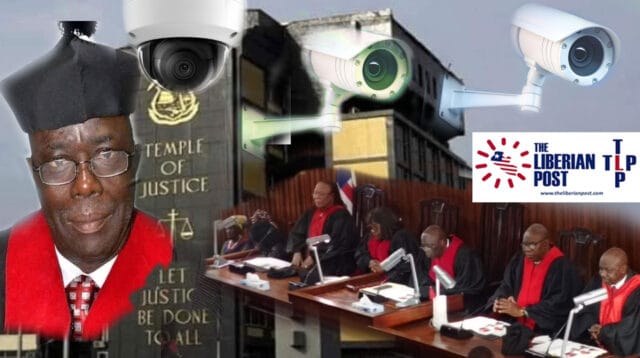
MONROVIA – In a bold and proactive move to rebuild public trust in Liberia’s judicial system, Chief Justice Yamie Quiqui Gbeisay has announced that among the most notable measures his administration is going to institute in the reform of the Judiciary, is the installation of CCTV cameras in strategic locations across court facilities nationwide.
According to the new Chief Justice, these will be complemented by dedicated phone lines that allow for direct reporting of judicial corruption to the Chief Justice’s office—an unprecedented step that places public oversight at the heart of justice delivery.
He said the CCTV security cameras will be installed in strategic locations and special cell phone numbers will be provided in all the courts in the Republic so that judiciary employees, who is found engaging in corrupt acts, will be promptly reported to the office of the Chief Justice.
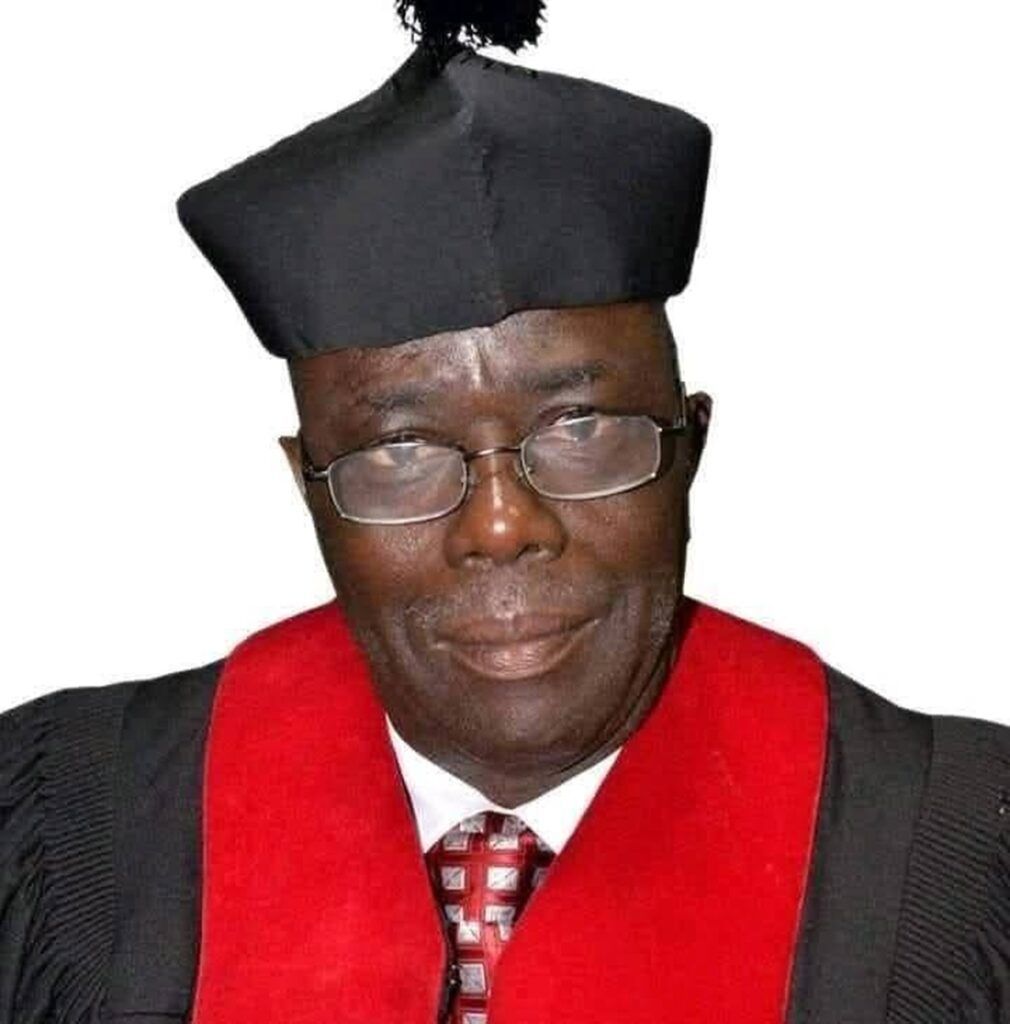
He further stated “Signs and signages will be placed on judicial premises in the clear view of the public warning everyone against indulging in the offering or taking of bribes and other forms of corruption.”
Chief Justice Gbeisey maintained that certain judicial officers, like the sheriffs and curators, etc., will be required to post an indemnity bond, so that, if and when money entrusted to them is not accounted for, there is going to be an avenue for refund.
Justice Gbeisay further stated that his administration will reinforce the mandate and authority of the Judicial Inquiry Commission (JIC) and the Grievance and Ethics Commission (GEC) and make sure that their recommendations emanating from complaints against judges and lawyers are decisively and promptly acted upon.
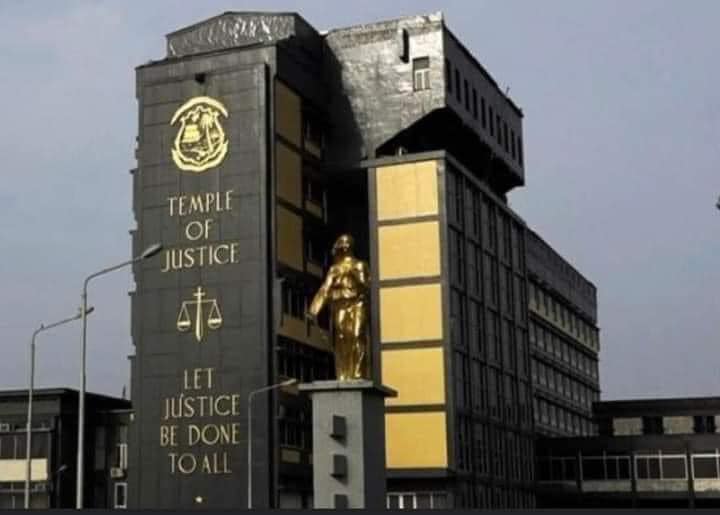
He further noted, “There is a lot to be done to improve conditions in the Judiciary. The foregoing is just a few of the key areas we will give attention to from the outset. In my ensuing opening address for the October Term, 2025, I will outline more policies and programs that we will embark upon for the betterment of our judicial system.
On matters involving the government and private individuals or entities, he stated: “We have observed that the accused are often represented by more qualified, better equipped, experienced, and committed lawyers as compared to the government, the accuser. We therefore urge the government to first seek candid legal advice on all matters, collect the best evidence, employ the best legal minds, who know the law and court proceedings, and come to court ready and prepared to vigorously prosecute causes. There is a maxim of law, ‘The court will not do for the party litigant what they ought to do for themselves.’”