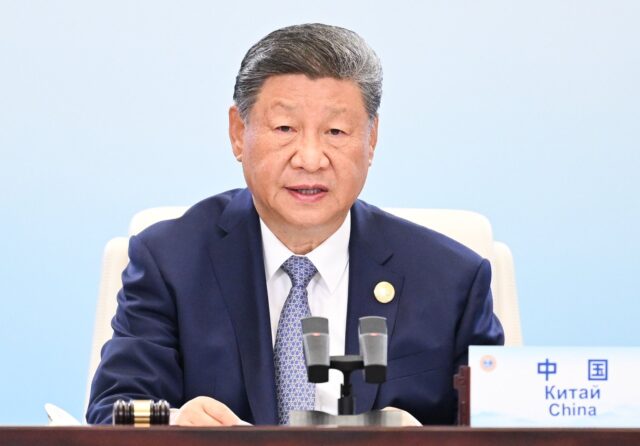
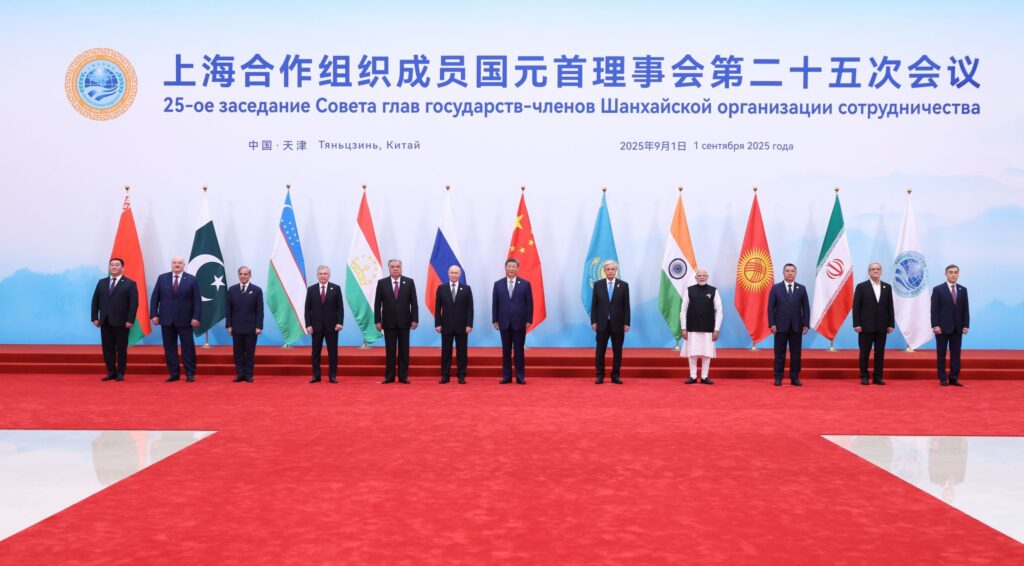
TIANJIN, CHINA — At the 25th Meeting of the Shanghai Cooperation Organization (SCO) Council of Heads of State in Tianjin, President Xi Jinping delivered a stirring address focused on reaffirming the principles that have guided the group since its inception and called for renewed multilateral cooperation amid shifting global dynamics.
This year’s summit, China’s fifth as host, was the largest in SCO history.
Revisiting SCO’s Foundational Principles
President Xi reflected on the importance of the “Shanghai Spirit”—a foundational ethos of trust, equality, mutual benefit, consultation, respect for civilizational diversity, and pursuit of common development established when the SCO was formed 24 years ago.
Highlighting pioneering SCO achievements, Xi noted its role in establishing border-area military confidence-building mechanisms, fostering cooperation against terrorism, separatism, and extremism, and launching the Belt and Road Initiative. He pointed to US$2.3 trillion in cumulative trade, over 14,000 km of cross-border transport routes, and more than 110,000 China-Europe freight train operations as evidence of sustained regional integration.
Toward Equality, Solidarity, and Global Governance Reform
As the world grows more complex, Xi urged SCO members to “seek common ground while shelving differences” and align development strategies under the Belt and Road vision. He emphasized scaling up cooperation in infrastructure, energy, digital economy, and scientific innovation, pushing for modernization through collective action.
Reaffirming opposition to Cold War mentalities and hegemonism, Xi called for preserving the U.N.-centered international system and the WTO-led multilateral trading framework. He cautioned against power politics, urging respect for sovereign equality and global equity.
Concrete Commitments: Funding, Programs, and Institutional Expansion
Xi announced fresh commitments, including:
- US$281 million in grants to SCO member states this year
- A RMB 10 billion loan to SCO Interbank Consortium members over three years
- Launch of 100 “small and beautiful” livelihood projects
- Expansion of SCO scholarships, including an innovative Ph.D. program
- Establishment of 10 Luban Workshops and 10,000 human resource training opportunities
This reflects the Chinese government’s intention to back the SCO’s development with tangible resources.
Infrastructure additions were also approved, such as new SCO centers focused on security, anti-drug efforts, and financial reform. Leaders adopted the Tianjin Declaration and a strategic blueprint for years 2026–2035, positioning the SCO for the next decade.
Asserting Global Influence
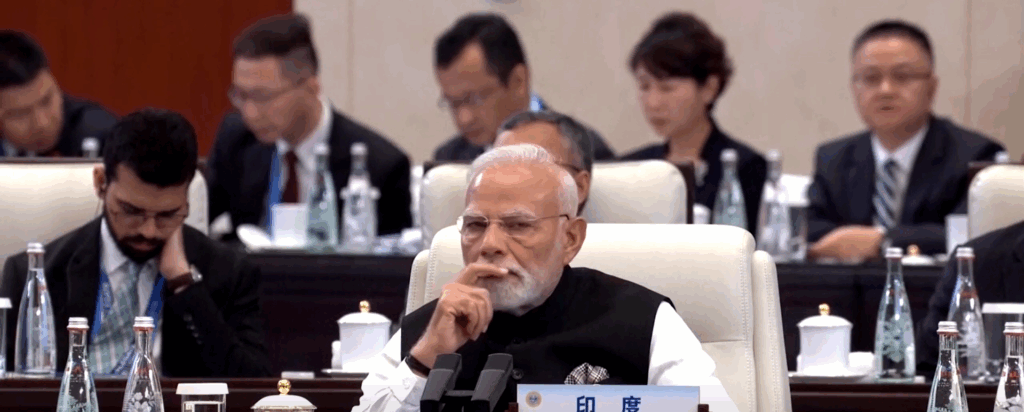
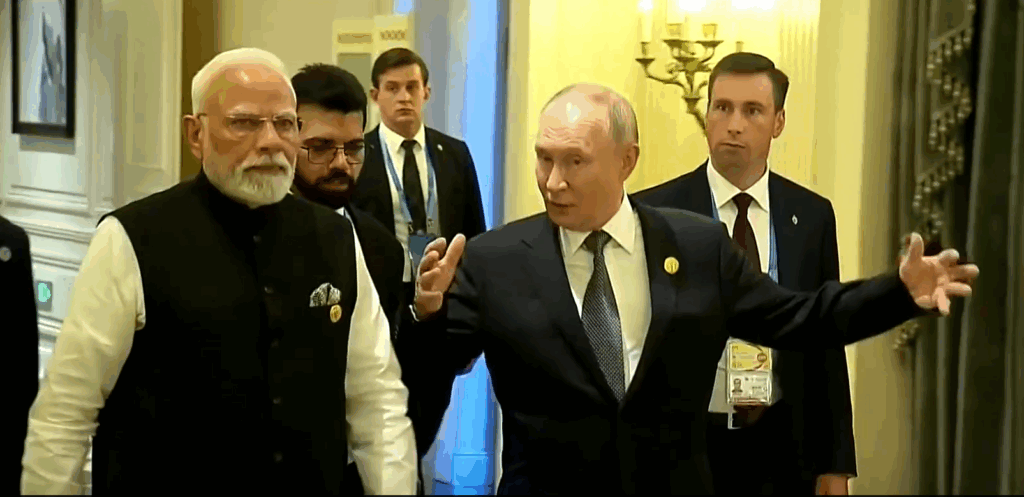
The summit also served as a diplomatic stage for reinforcing a multipolar world order. The presence of leaders like Vladimir Putin, and Narendra Modi, underscored strategic alignment, especially as Xi criticized “global bullies” in veiled references to Western dominance.
Why It Matters
- Global Governance: China is positioning the SCO as a viable alternative to Western-dominated institutions.
- Regional Unity: The appeal to shared development, especially under sustainable multilateralism, bolsters SCO solidarity.
- Diplomatic Balance: Against escalating geopolitical tensions, China’s leadership role in the SCO signals its intent to shape the international system on its own terms.