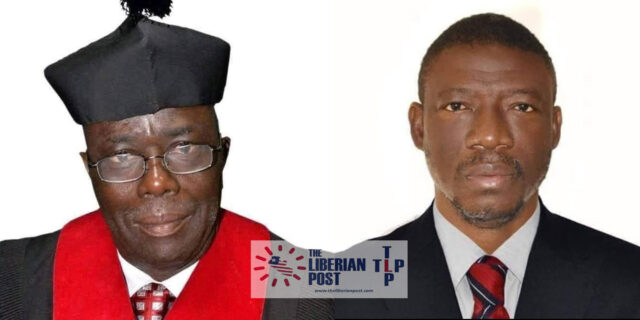
-Nepotism Furor Erupts After Son’s Magistrate Pick; House Weighs Probe, Senate Trial Looms If Advanced
MONROVIA, Liberia — Representative Yekeh Y. Kolubah has filed a resolution in the House of Representatives seeking the impeachment of Chief Justice Yamie Quiqui Gbeisay, citing “proved misconduct” and “gross breach of duty” after the Chief Justice recommended his son, Willeyon Gbeisay, for appointment as an associate magistrate—a nomination the son has since declined amid public backlash.
The three-page resolution, dated Nov. 4, 2025, references Article 43 of the Constitution governing impeachment and Article 5(c) on eliminating abuses of power and corrupt practices. It anchors its complaint in concerns first raised by the National Association of Trial Judges of Liberia, which in a September 24 communication questioned recent associate‑magistrate appointments and warned that bypassing standardized recruitment and training undermines the credibility of the Law School and the Judicial Institute.
According to the resolution and the judges’ letter cited within it, the Chief Justice recommended several associate magistrates “who were unqualified” or had not completed required training, and included Willeyon Gbeisay, the Chief Justice’s son. The President subsequently appointed Willeyon; however, following intense criticism over perceived nepotism, Willeyon publicly rejected the appointment.
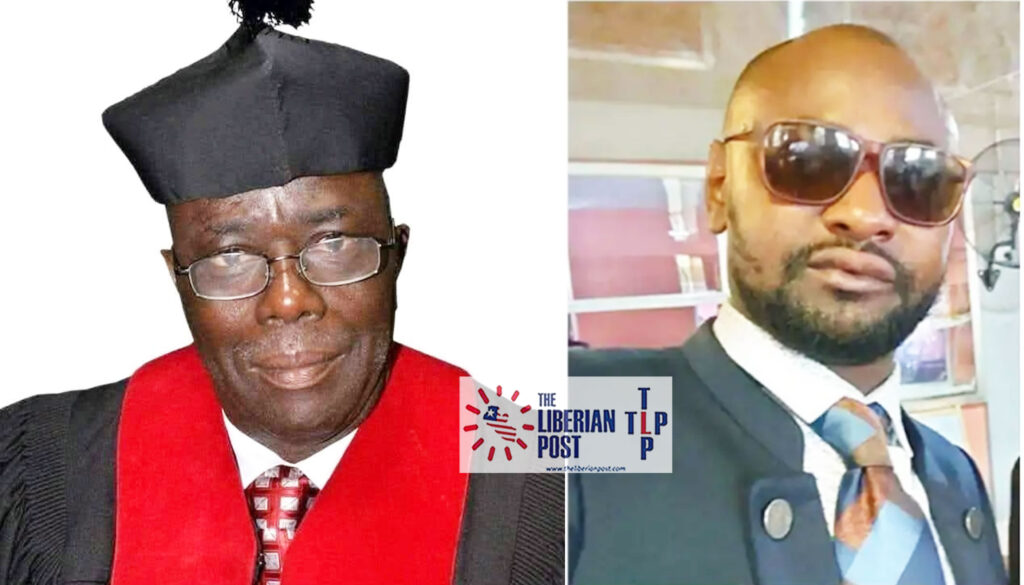
Kolubah’s filing argues that recommending a close relative for judicial office violates Liberia’s Code of Conduct provisions that bar public officials from using their position to appoint, employ or advance relatives, or persons in whom they have a personal interest, within entities over which they exercise authority. He also alleges a broader erosion of judicial independence and standards in the handling of associate‑magistrate selections.
What Impeachment Would Require
- House action: The House prepares articles of impeachment following committee review.
- Senate trial: The Senate tries impeachments; conviction requires a two‑thirds vote of senators present.
- Next steps: The resolution is expected to be read in plenary and sent to relevant committees to gather records on the disputed recommendations, training credentials and clearances, and to take testimony before any vote.
Recent Backdrop
The resolution comes days after Chief Justice Gbeisay inducted new magistrates across 12 counties, urging integrity and discipline from the bench, while Bar and Bench leaders pledged training and support to strengthen access to justice. The trial judges’ September letter—quoted in Kolubah’s filing—said the developments “raise a critical question: if appointments can bypass the regular recruitment and training process, then what becomes of the necessity and credibility of the Law School and the Judicial Institute?”
Positions at A Glance
- Kolubah’s resolution: Alleges unlawful recommendations of unqualified candidates, nepotism in the recommendation of the Chief Justice’s son, and actions that “dilute the standard” of judicial administration—claims the lawmaker says rise to impeachable offenses.
- Judiciary response: No formal response from the Supreme Court or the Chief Justice was included in the documents reviewed. Public remarks around the recent magistrate inductions emphasized integrity, impartiality and reform.
- Willeyon Gbeisay: The Chief Justice’s son, whose appointment triggered the controversy, has declined the post following public opposition.
Why It Matters
Judicial independence and the credibility of court appointments are closely watched by the public and investors. If substantiated, nepotism or departures from established recruitment and training norms would raise serious questions about governance in the justice sector. Conversely, an impeachment drive without a solid evidentiary record could further politicize the bench.
What to Watch
- Committee scrutiny of appointment files: recommendations, vetting, training records and Judicial Institute clearances.
- Statements from the National Association of Trial Judges, the Liberia National Bar Association and the Judicial Institute.
- Whether the House advances articles of impeachment to the Senate—and the trial timetable if it does.
The resolution contends that, by his actions, the Chief Justice is “disqualified to remain in office,” setting up a high‑stakes constitutional confrontation that will test Liberia’s commitment to due process for both the accuser and the accused.