
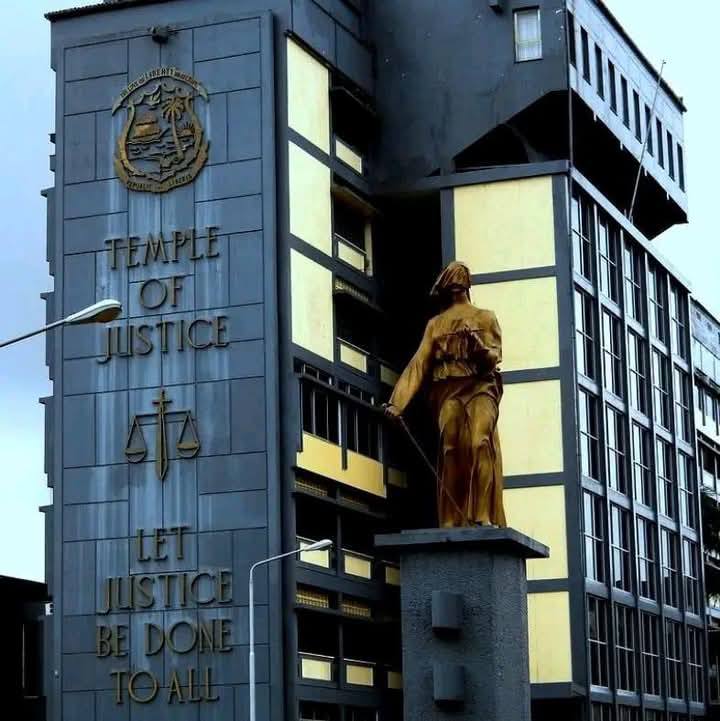
MONROVIA — The Criminal Court “C” at the Temple of Justice has dismissed a high-profile corruption indictment against several defendants, citing the prosecution’s failure to proceed to trial within the time required by law.
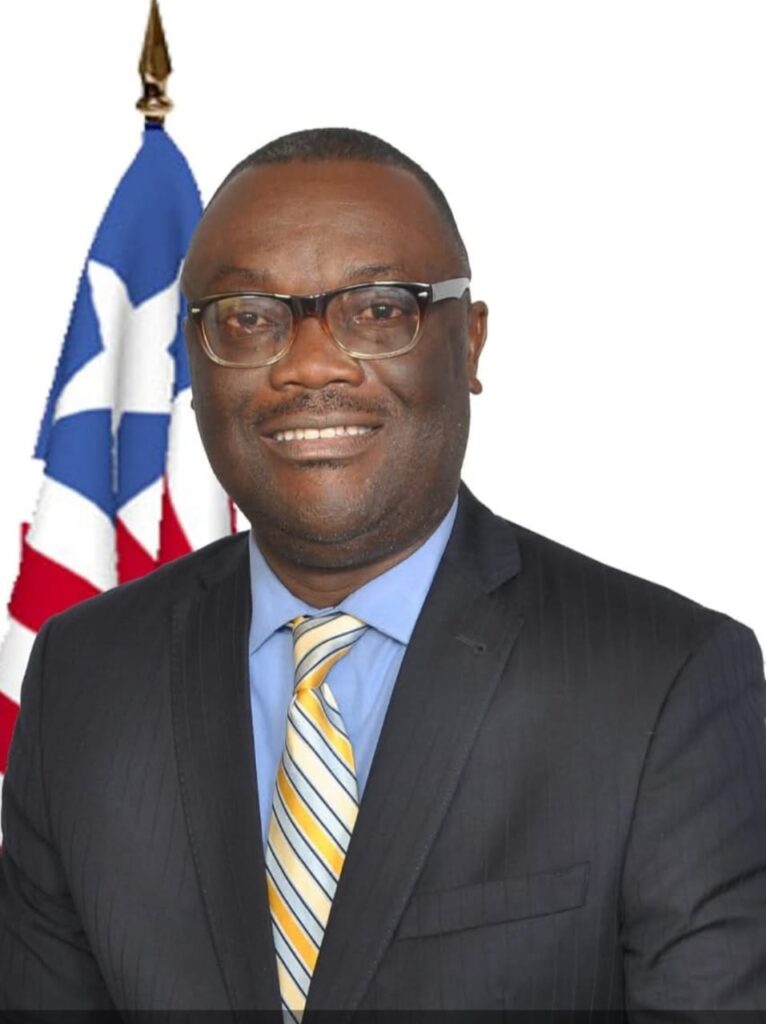
In a ruling delivered on March 17, 2026, presiding Judge Ousman F. Feika granted a motion to dismiss filed by the defendants, including Rustonlyn Suacoco Dennis and Richman Jallah, who had been charged with multiple corruption-related offenses.
Court Cites Violation of Criminal Procedure Law
The case, prosecuted by the Liberia Anti-Corruption Commission, involved allegations ranging from economic sabotage and misuse of public funds to criminal conspiracy and violation of public financial management laws.
However, the court found that the prosecution failed to commence trial within two successive terms after the indictment—an action that violates Chapter 18, Section 18.2 of Liberia’s Criminal Procedure Law.
The law provides that:
“Unless good cause is shown, a court shall dismiss an indictment if the defendant is not tried in the succeeding term after the finding of an indictment.”
Judge Feika emphasized that the burden to demonstrate “good cause” for delay rests squarely on the prosecution—not the defendants.
Prosecution Failed to Justify Delay
According to the ruling, state lawyers did not deny that the case had not proceeded to trial within the required timeframe. Instead, prosecutors argued that the defendants themselves should have taken steps to advance the case or request assignment on the trial docket.
The court rejected that argument, describing it as legally insufficient.
“This court is appalled by the reasons stated in the resistance,” the ruling noted, adding that the prosecution failed to provide any reasonable, lawful, or justifiable explanation for the delay.
The judge further clarified that under Liberian law, once the statutory timeframe is breached and no “good cause” is shown, dismissal becomes mandatory—not discretionary.
Defendants’ Rights Violated
The defendants had argued that the prolonged delay subjected them to undue hardship, including a travel ban that restricted their movement for medical, business, and family purposes.
They contended that the delay violated their constitutional rights to:
- Freedom of movement
- Presumption of innocence
- Due process
The court agreed that these concerns were significant, reinforcing the importance of timely prosecution in criminal proceedings.
Indictment Dismissed Without Prejudice
In its final determination, the court ruled:
“The motion to dismiss should be and the same is hereby granted… The indictment is accordingly dismissed without prejudice to the prosecution.”
This means that while the charges are dismissed, the government retains the legal option to refile the case in the future, provided proper procedures are followed.
The defendants were also formally discharged of the charges, and their constitutional rights were restored.
Background: A Major Anti-Corruption Case
The case stems from allegations involving the National Oil Company of Liberia, where officials were accused of financial misconduct and improper handling of public resources.
The indictment had been widely viewed as part of broader anti-corruption efforts in Liberia, with significant public interest in the outcome.
However, the court’s ruling underscores persistent challenges in Liberia’s justice system, particularly regarding case management, prosecutorial efficiency, and adherence to due process timelines.
Implications for Anti-Corruption Fight
Legal analysts say the decision highlights a critical tension in Liberia’s anti-corruption campaign: the need to balance aggressive prosecution with strict compliance with procedural law.
Failure to meet statutory requirements, as seen in this case, can undermine otherwise strong cases and erode public confidence.
For now, the ruling represents a major legal victory for the defendants—but leaves open the possibility of renewed prosecution.
Follow The Liberian Post on Facebook and X (formerly twitter).