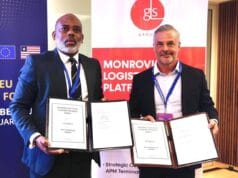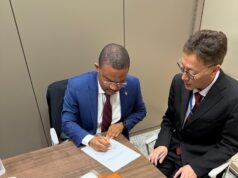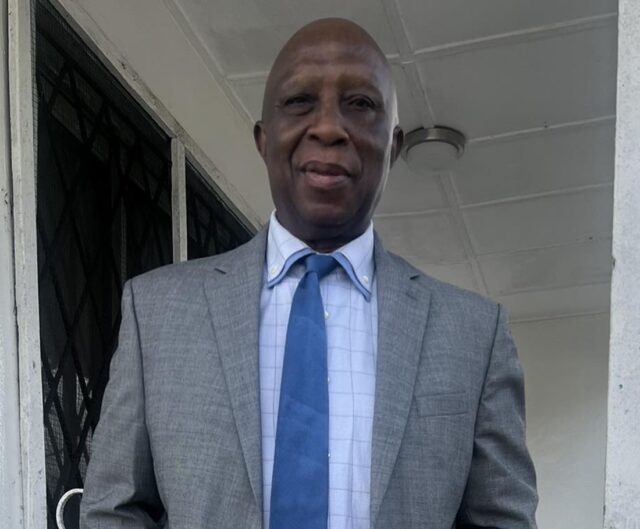
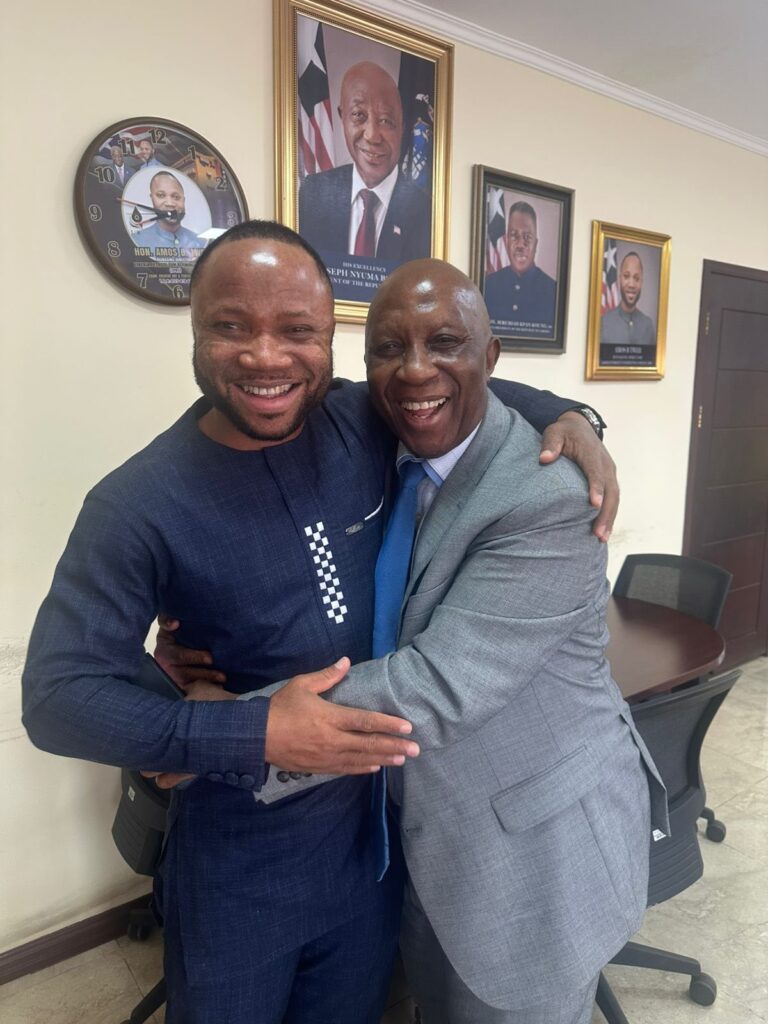
MONROVIA – In a departure from his usual criticism of President Joseph Nyuma Boakai and the Unity Party government, Liberian economist Samuel P. Jackson has publicly commended the Boakai administration for recent improvements in electricity service—especially under the leadership of Mohammed Sheriff, Managing Director of the Liberia Electricity Corporation (LEC).
In a Facebook post shared earlier Saturday, September 13, Jackson wrote:
“I’m proud of my country. Constant electricity. Thanks to my colleague and brother Mohammed Sheriff. I’m proud of JNB [Joseph Nyuma Boakai]. I can now boast to my wife. SA [South Africa] does load shedding. My light doesn’t blink! I sleep in perfect peace in my own country!”
The expression of satisfaction is notable given Jackson’s past record of vocal critique. Although he has supported former President George Weah in the past, Jackson has not shied away from pointing out shortcomings even during Weah’s tenure. Under the current Boakai administration, he has repeatedly criticized areas such as transparency, infrastructure deals, and public spending.

What the Praise Relates To
Jackson’s compliments center on more stable electricity access in Monrovia and other areas served by the LEC—a significant issue in Liberia, where power outages, load shedding, and unreliable supply have long been persistent challenges. Recent measures under Mohammed Sheriff, confirmed as Managing Director of LEC, include:
- Increasing efforts to reduce load shedding and erratic power supply.
- Pushing for governmental debt settlement, including establishing an escrow account to ensure government ministries and state agencies pay their electricity bills.
- Expanding electricity imports and using regional power networks; more emphasis on domestic generation and leveraging the CLSG (Côte d’Ivoire, Liberia, Sierra Leone, Guinea) power interconnection line.
These reforms are part of LEC’s stated plan to reduce load shedding, improve service reliability, and build financial sustainability.
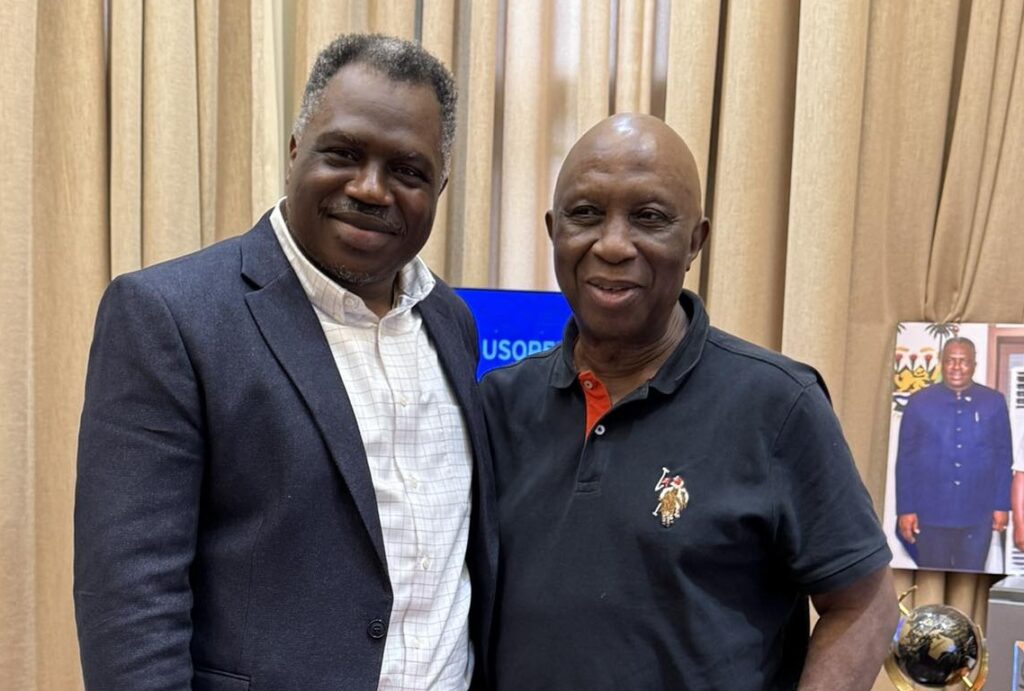
Jackson’s Background: Critic, Supporter, Analyst
Samuel P. Jackson is known in Liberia as an economist who’s both outspoken and analytical. Key aspects of his record include:
- Support for Weah with qualification: Jackson has generally backed former President George Weah, particularly when he believes Weah’s policies or actions align with Liberia’s economic interests. But he has also publicly criticized Weah’s government when he judged them wanting.
- Criticism of Boakai administration: Jackson has criticized the Boakai government on various fronts—ineffective or risky procurement deals, failure to manage rising commodity prices (e.g., rice), concerns over asset recovery initiatives, and what he sees as weak implementation or accountability.
- Fact-checking and correcting claims: For instance, he has been involved in debates about how many Liberians truly have access to electricity, correcting or challenging public data and claims.
What This Shift Might Signal
Jackson’s public commendation could have several implications:
- Political validation of recent improvements: If electricity services have truly become more stable, Jackson’s statement serves as confirmation that some of the Boakai administration’s policy decisions (especially in the power sector) are bearing fruit.
- Increased pressure for consistency: Having praised the administration’s success in this domain, Jackson and other critics may expect similar progress in other sectors—transportation, water, health, etc. Inconsistencies elsewhere will likely be magnified in contrast.
- Boost for Mohammed Sheriff and energy sector reforms: The praise elevates Sheriff’s credibility. It could strengthen support for ongoing reforms at the Liberia Electricity Corporation, including financial discipline (bill collection, payment of government debts), expansion of power supply, and improvements in infrastructure.
- Potential to soften some political tensions: Occasionally acknowledging successes of opponents can lead to more balanced political discourse. Jackson’s praise might also encourage others who are critical of Boakai to adopt a more nuanced stance.
Conclusion
Samuel P. Jackson’s Facebook post, though brief, is significant—it represents one of his more public acknowledgments of a Boakai administration project succeeding. While Jackson remains a critical voice, this praise underscores that improvements in basic services—like steady electricity—resonate strongly with both critics and citizens. How the government builds on this perceived success will likely influence popular perception and political momentum as people demand a broad-based and consistent improvement in public services.