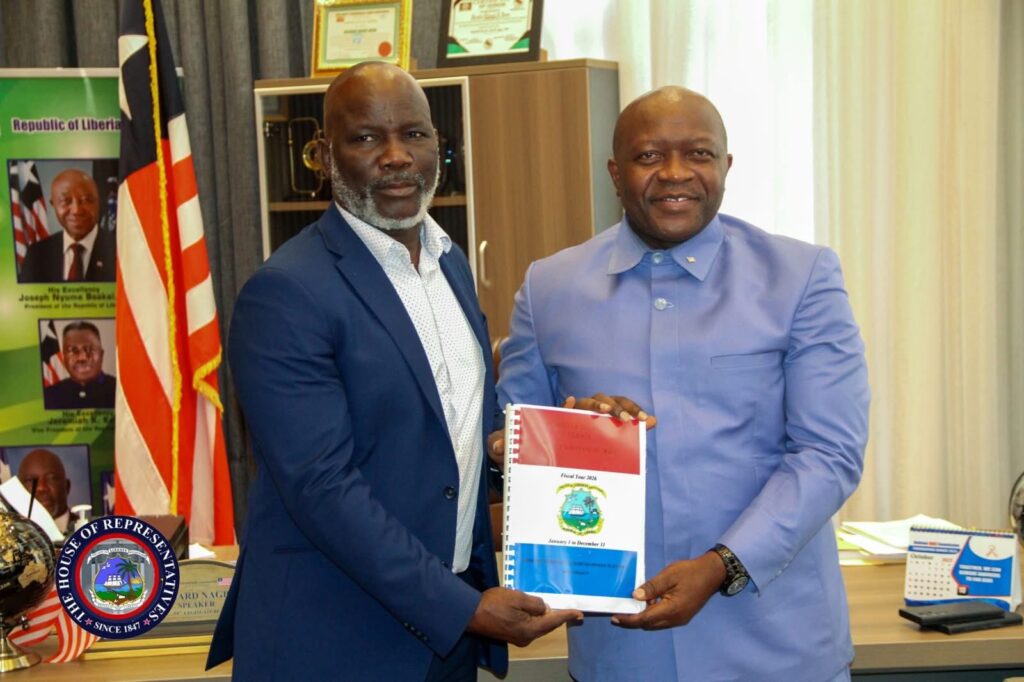
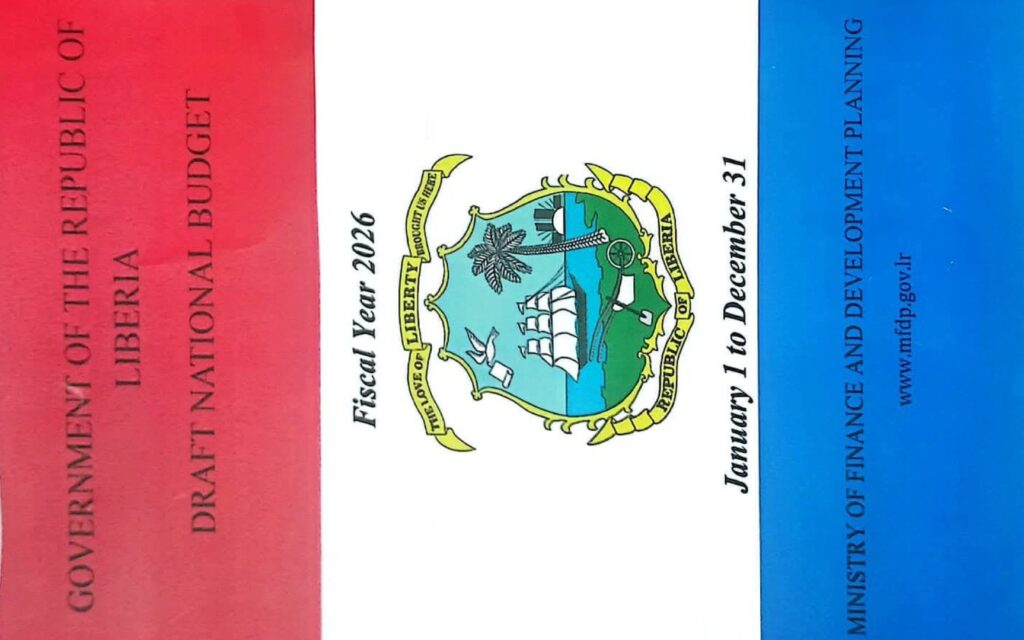
The passage of Liberia’s US$1.249 billion National Budget for Fiscal Year 2026 is historic by every measure. It is the largest spending plan in the nation’s history and a powerful signal of ambition by the Augustine Kpehe Ngafuan regime at the helm of the Ministry of Finance and Development Planning under the supervision of the Boakai administration and the 55th Legislature. But while the size of the budget may inspire optimism, its true legacy will be determined not by how much was appropriated, but by how well it is executed.
For a country long constrained by limited fiscal space, rising debt, and underfunded public services, the record budget reflects an opportunity—perhaps a rare one—to reset priorities, restore confidence, and demonstrate that Liberia can manage large-scale public resources responsibly. Yet history cautions that big budgets do not automatically translate into big results.
The government deserves credit for placing debt servicing at the center of the budget. Clearing domestic arrears and meeting external obligations is essential to restoring Liberia’s financial credibility and rebuilding trust with development partners and investors. Without that credibility, future budgets—no matter how well intentioned—will remain vulnerable to uncertainty and shortfalls.
Similarly, the strong emphasis on infrastructure, energy, and the social sectors aligns with national development needs. Roads remain critical to economic integration, electricity is indispensable to private sector growth, and investments in health, education, and agriculture are foundational to human capital development. On paper, the 2026 budget addresses these realities.
But paper promises are not enough.
Liberia’s recent budget history is littered with unexecuted projects, delayed disbursements, and controversial fund reallocations, particularly within the Public Sector Investment Program. Civil society groups and lawmakers alike have raised valid concerns about transfers of funds away from their original purposes, weak procurement controls, and limited public transparency. A record budget amplifies these risks.
The Legislature, having exercised its constitutional authority to pass the budget, must now resist the temptation to retreat into silence. Oversight cannot or should not end at concurrence. Committees must actively track spending, demand quarterly reporting, and hold institutions accountable when funds are misused or projects stall.
For the Executive, especially the Ministry of Finance and spending entities, the challenge is discipline. Large allocations mean little if ministries lack the capacity—or the will—to execute efficiently. This budget must mark a break from the culture of rushed year-end spending, opaque reprogramming, and politically motivated allocations.
The public, too, has a role. Liberians must insist that this unprecedented level of spending delivers tangible improvements: better roads, reliable electricity, functioning schools, accessible healthcare, and real economic opportunity. A budget of this magnitude raises expectations, and rightly so.
In the end, the US$1.249 billion budget is not a trophy—it is a test. A test of leadership, institutional integrity, and national maturity. If managed well, it could become a turning point in Liberia’s development journey. If mismanaged, it risks becoming another cautionary tale of ambition undermined by weak execution.
History will not remember the size of the budget alone. It will remember whether this moment was seized—or squandered.