For decades, Liberia’s Southeastern counties—Grand Gedeh, River Gee, Maryland, Grand Kru, and Sinoe—have stood as political swing territories, often voting on personality and sentiment rather than party. The Unity Party, despite its long history and national prominence, has never been able to crack this region’s electoral code. That may be changing.
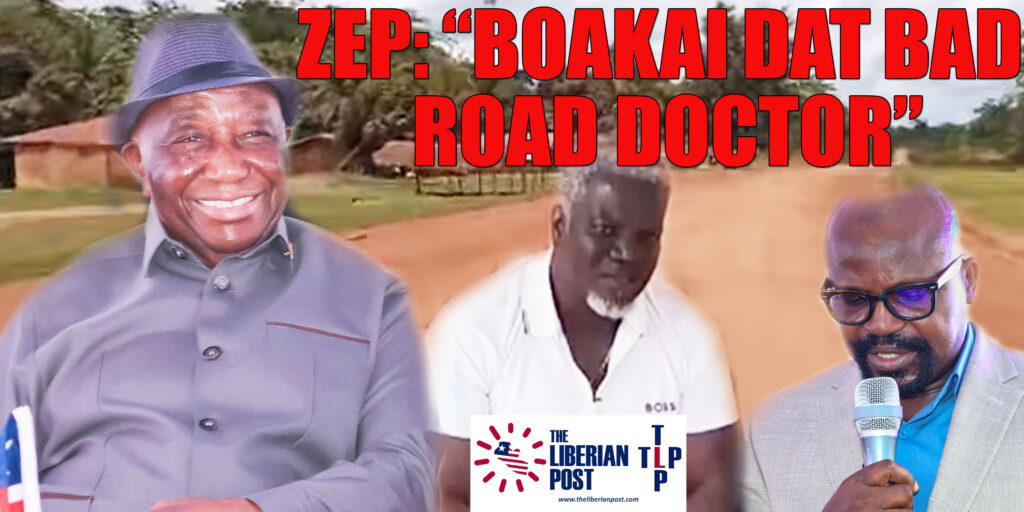
Senator Zoe Emmanuel Pennue’s recent tributes to President Joseph Nyuma Boakai on the floor of the Liberian Senate was more than a routine statement of appreciation. It was a signal—a warning shot to the opposition and a quiet nod to the ruling Unity Party—that the once “impossible Southeast” may be warming to the Boakai’s climate change.
Pennue’s praise was rooted in lived experience, not political theatrics. For the first time in 35 years, he said, residents of Grand Gedeh were able to travel home during the rainy season without being cut off by broken roads. Transportation costs are down. Fuel and rice prices have dropped. Health facilities are reopening. Schools are seeing real investment. In a country where development promises often die on paper, these are the kind of tangible changes that reshape political loyalties.
Liberians do not vote for speeches; they vote for results. When a farmer in Zwedru can finally transport his goods without paying a fortune, when a student can travel home for half the cost, and when food prices stop suffocating household incomes, politics takes on a new meaning. This is the quiet revolution the Boakai administration seems to be stirring in the Southeast.
But the political weight of Pennue’s statement cannot be ignored. Grand Gedeh and its neighbors have long been indifferent—or outright resistant—to Unity Party candidates. Since 2005, the party has not won a single major contest in that region. If roads, schools, and reliable transport can begin changing that narrative, it could mark one of the most significant realignments in Liberia’s postwar politics.
Still, this opportunity carries responsibility. Development must not be seen as a political reward, but as a national obligation. The government must ensure that road works, public investments, and social services extend to every corner of the country—not just those offering potential electoral returns. Liberia’s progress cannot depend on political convenience.
Senator Pennue’s words are both a compliment and a challenge. They remind the Boakai administration that performance is its greatest campaign message—and that development, not politics, is what truly unites the nation.
If President Boakai continues to deliver on infrastructure, energy, and service delivery, history may remember him not only as the “Bad Road Doctor,” but also as the leader who finally turned Liberia’s long-neglected Southeast into a center of hope and progress.