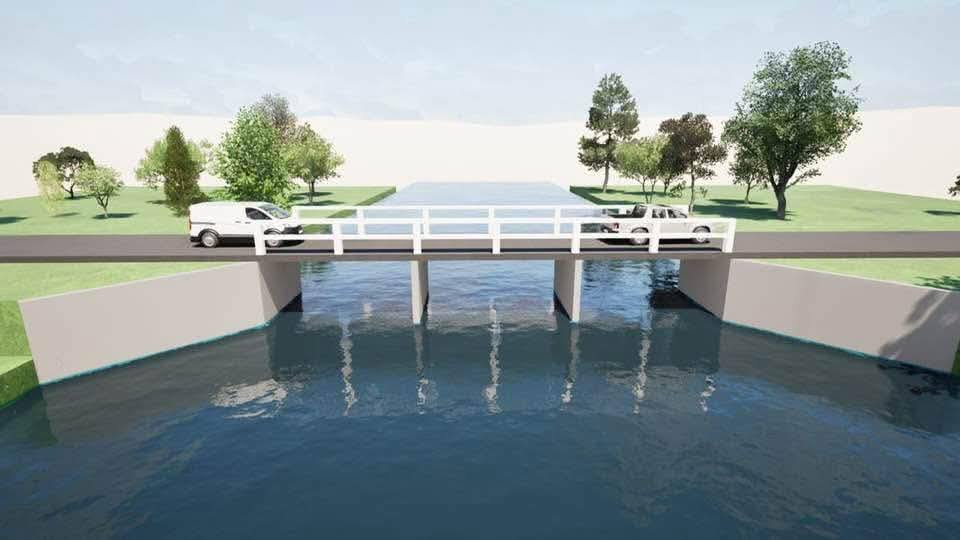
The dust‑up between the Citizens Movement for Change (CMC) and the Ministry of Public Works (MPW) over a 38‑meter bridge in Bong County is bigger than a single crossing. It is a stress test of how Liberia treats citizen‑led development in a system that rightly demands safety, value for money, and rule‑bound procurement.
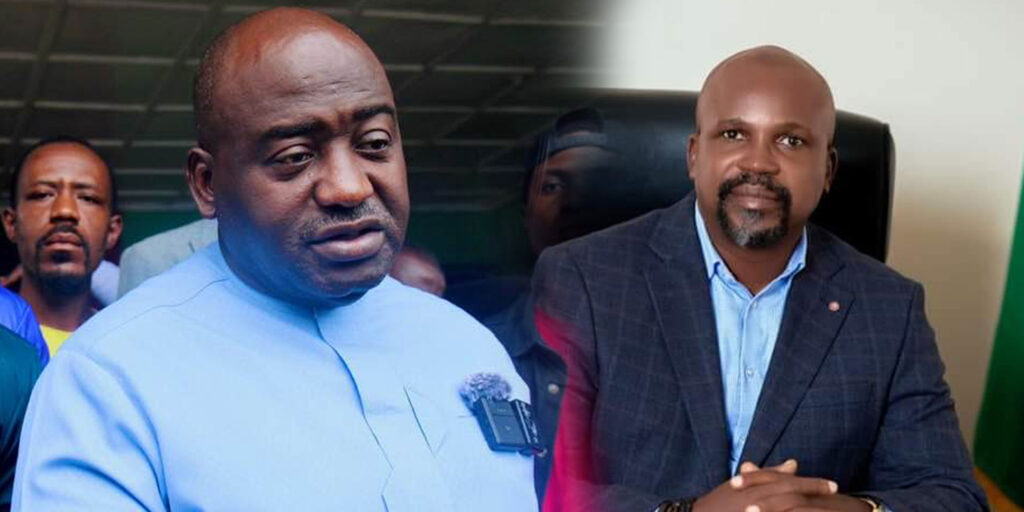
On the facts, both sides have a point. CMC—an opposition party founded by businessman Musa Hassan Bility, a former Liberty Party chair and CPP figure—says communities are tired of dangerous crossings and bureaucratic drift. MPW replies that the bridge is already in the FY2025 budget and moving to competitive tender, with hydrology, geotech, structural designs, bills of quantities, and safeguards required before award. Both are right—and both can do better.
Here’s the path forward.
What government must do now
- Publish the procurement timeline: Post, in one place, the bid package contents, PPCC method, expected tender and award windows, and the engineering/safeguard milestones. Silence breeds suspicion.
- Open the documents: Share the terms of reference for studies (hydrology, geotech, E&S) and the standard drawings to reassure communities the bridge will be safe and durable.
- Set a service standard: Commit to a decision clock for small and medium bridges—e.g., 90 days from complete design submission to tender launch—so communities know when shovels hit the ground.
- Create a “community acceleration window”: Establish a fast‑track lane for vetted, citizen‑backed projects under a cost threshold, with prequalified contractors and standardized designs, without waiving core safeguards.
What CMC and local advocates should do
- Submit complete technical packets: If CMC has designs, studies, and site data, file them formally and publish them. Help MPW de‑risk the project rather than running a parallel process.
- Monitor, don’t politicize: Use open data to track the tender, contract, and works progress; file questions and warnings in public, not just press releases. Communities need delivery, not point‑scoring.
- Co‑finance small fixes: Where lawful, mobilize community labor and local materials for approach roads, signage, or drainage, leaving the bridge structure to the state and its contractor.
Why this matters
Rural isolation is a tax on dignity: it raises prices, blocks patients from clinics, and keeps children from school during the rains. The bridge must be built—safely, transparently, and on time. That means respecting procurement law and engineering discipline while embracing community urgency and ownership.
About the Messenger
Musa Bility remains a polarizing figure—he is an experienced operator in politics and business, and he carries baggage, including a FIFA ban reported globally in 2019. That history should make CMC extra rigorous, not less involved. The cause here is sound; the method must be, too.
A simple, shared scoreboard
- Bid notice published: date
- Studies completed and cleared: hydrology, geotech, E&S
- Contract awarded: firm and price
- Mobilization and groundbreaking: date
- Physical progress: monthly percent
- Grievance redress: contact and response time
Liberia needs a new compact for citizen‑led development: government that explains and delivers, and advocates who help solve, not just shout. Build the Bong bridge—and build a better way to harness citizen initiative everywhere.