The clash at Stephen Trowen Nagbe United Methodist Church (STN‑UMC) is more than a local dispute. It sits at the fault line where global denominational change meets Liberia’s legal and moral context—and where church governance must be exercised under both the Book of Discipline and a standing court order.
What happened—and why it matters
- STN‑UMC has rejected the United Methodist Church’s 2024 marriage language that allows for a definition between “two adult persons,” calling it unbiblical and inconsistent with Liberia’s law recognizing marriage only between a man and a woman. It has asked the Civil Law Court to protect its freedom of worship and conscience.
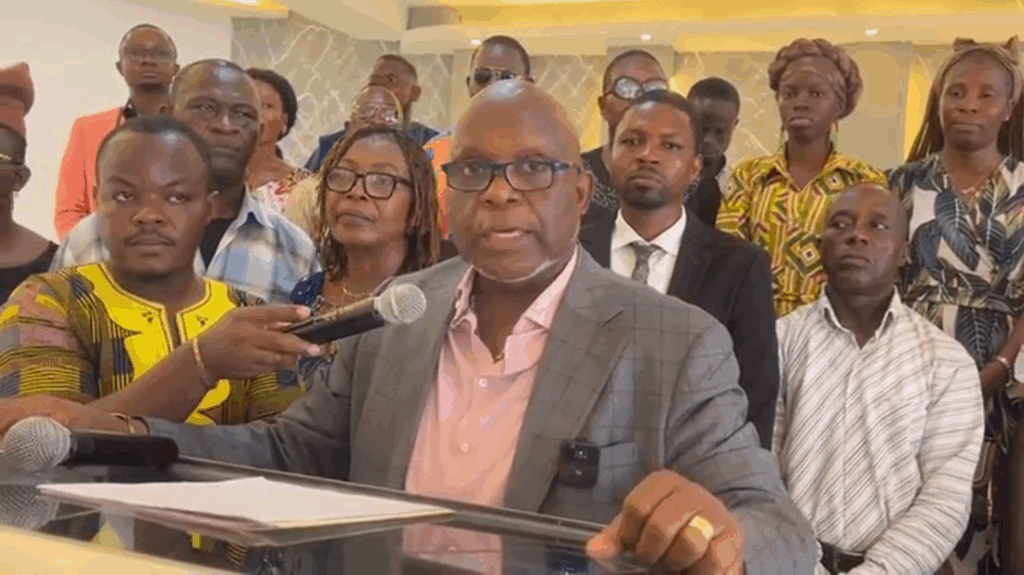
- The court, STN says, ordered a status quo ante on August 5, pending a final ruling. Despite this, the Monrovia District Superintendent, Rev. Charles E. Langama, chaired an October 21 Charge Conference that installed an interim leadership, arguing STN had “no functioning council,” that prior leadership had expired, and that the action followed the Book of Discipline to reconcile the congregation.
- STN refuses to recognize the interim team, insists its 2024 leaders remain lawful, and warns partners not to transact with any “purported interim leadership.”

What’s at stake
- Conscience and context: The global UMC’s marriage shift runs headlong into the Liberian church’s doctrinal conviction and national law. Whatever one’s theology, the Liberian context is decisive on what can be practiced here.
- Church order and civil order: The Book of Discipline must be followed—so must a court’s status‑quo order. If either side has acted outside the Discipline or the court’s directive, it must be corrected.
- Credibility and unity: Contradictory signals—“we oppose same‑sex marriage” while embracing global language that opens the door elsewhere—breed confusion and erode trust. So does reshuffling leadership in the middle of litigation.
The way forward—four steps to de‑escalate and heal
- Obey the court—fully and publicly
- Both STN and the Monrovia District should commit in writing to the Civil Law Court’s status‑quo order until a final ruling. No further leadership changes, no property or financial transfers, and no parallel administrations. Worship and ministry must continue without intimidation.
- Clarify the Liberian stance—honestly and in context
- The Liberia Annual Conference should issue a clear, contextual policy: no same‑sex weddings or ordinations in Liberia, period, while explaining how “regionalization” is being interpreted locally. Pastoral communication—not slogans—will calm fears and restore credibility.
- Clean, credible governance—supervised and transparent
- If STN truly lacked a functioning council, document it. If the October 21 conference complied with the Discipline and the court order, show the citations. If it did not, unwind what must be unwound. Then set a date for a properly noticed Charge/Church Council meeting, supervised by neutral clergy from outside the Monrovia District, to regularize leadership once the court has ruled.
- Mediation before escalation
- Invite respected mediators—senior clergy, the Liberia Council of Churches, or mutually trusted elders—to guide a reconciliation process focused on (a) doctrinal clarity in Liberia’s legal context, (b) a roadmap for governance compliance, and (c) a covenant of non‑retaliation and non‑misinformation by all parties.
The Bottom Line
This is not a referendum on who “wins” a local power struggle; it is a test of whether the United Methodist Church in Liberia can hold together biblical conviction, legal compliance, and basic fairness. Doctrine without discipline becomes noise; discipline without due process becomes force.
STN‑UMC is right to insist that Liberia’s church must speak clearly in Liberia’s context. Rev. Langama is right that congregations must have functioning councils under the Book of Discipline. The Civil Law Court is right to freeze the chessboard while it decides.
Now both sides must be right in their behavior: obey the court, end unilateral moves, speak plainly to the flock, and let supervised, transparent church order do its work. Only then can the church recover credibility—and return its full attention to the Gospel, not the courtroom.