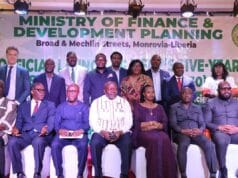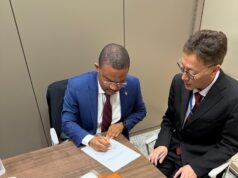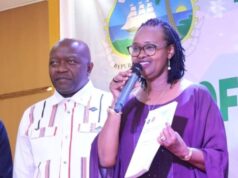
The €25 million grant approved by the European Union for Liberia’s artisanal fisheries sector is more than a development headline; it is a strategic opportunity—one that, if well managed, can recalibrate livelihoods, food security, and confidence in Liberia’s development governance.
At a time when Liberia is grappling with unemployment, rising food prices, and pressure on public finances, the decision by the EU to extend grant financing—not debt—is both timely and consequential. It reflects trust in Liberia’s reform direction and aligns squarely with the Government’s ARREST Agenda for Inclusive Development, which places agriculture, roads, and human capital at the center of economic recovery.

Fisheries are often underestimated in national economic debates, yet they quietly sustain thousands of households across Liberia’s nine coastal counties. From artisanal fishers and processors—many of them women—to traders and transporters, the sector represents one of the country’s most inclusive economic ecosystems. Investing in it is not charity; it is smart economics.
What makes this €25 million intervention particularly important is its value-chain approach. Too often, development projects stop at production. This program goes further—targeting post-harvest losses, cold storage, market access, skills development, and institutional capacity. If executed effectively, it could mean fewer spoiled catches, higher incomes, safer food, and real jobs where they are most needed.
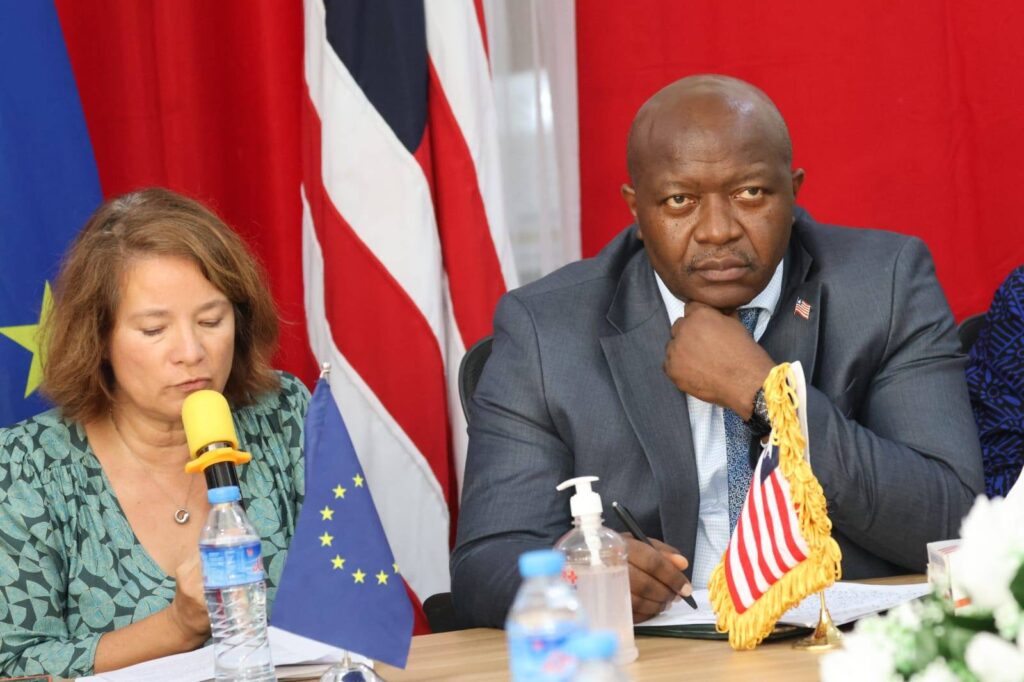
Equally significant is the governance dimension. The grant supports stronger oversight of Liberia’s marine resources, including efforts to curb illegal, unreported, and unregulated fishing—an area where the country has historically lost millions of dollars annually. Better regulation and enforcement are essential not only for sustainability, but for national sovereignty over natural resources.
However, optimism must be tempered with realism. Liberia’s development history is littered with well-funded projects that failed to deliver transformative impact due to weak coordination, limited accountability, or elite capture. This initiative must not follow that path. Transparency in procurement, community involvement, and measurable outcomes must be non-negotiable.
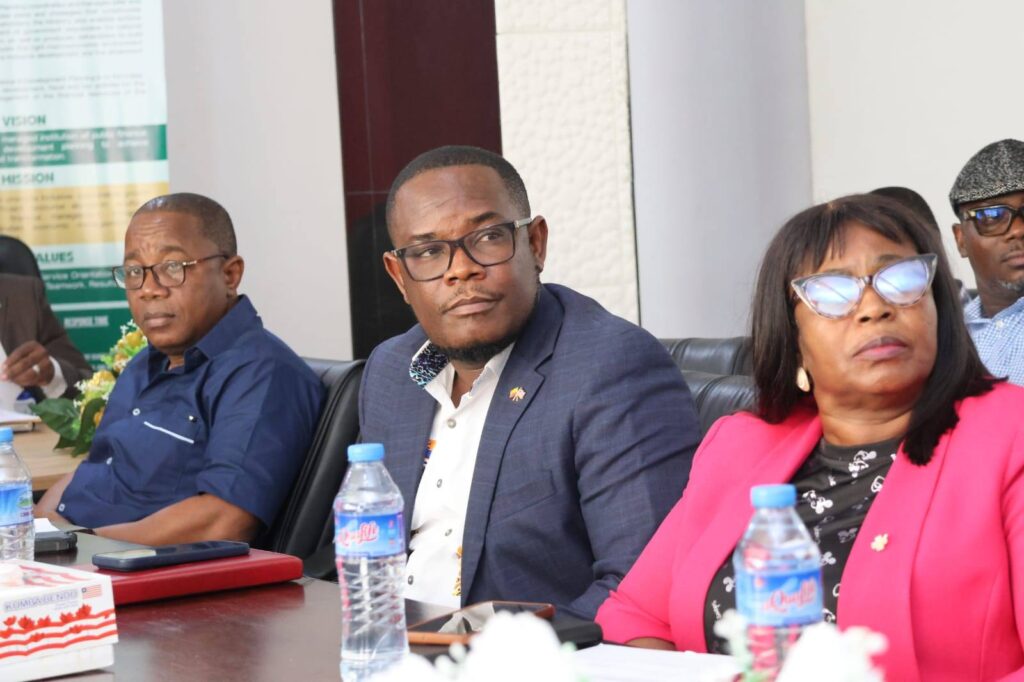
The involvement of European technical partners and local universities offers an added layer of credibility and sustainability, but ultimate responsibility rests with Liberian institutions. The success of this grant will be judged not by workshops held or reports produced, but by whether fishing communities see tangible improvements in income, dignity, and opportunity.
Beyond fisheries, the grant fits into a broader pattern of EU engagement in Liberia—spanning agriculture, health, governance, and private-sector development. It reinforces an important message: Liberia’s partners are willing to invest where reforms are credible and leadership is serious.
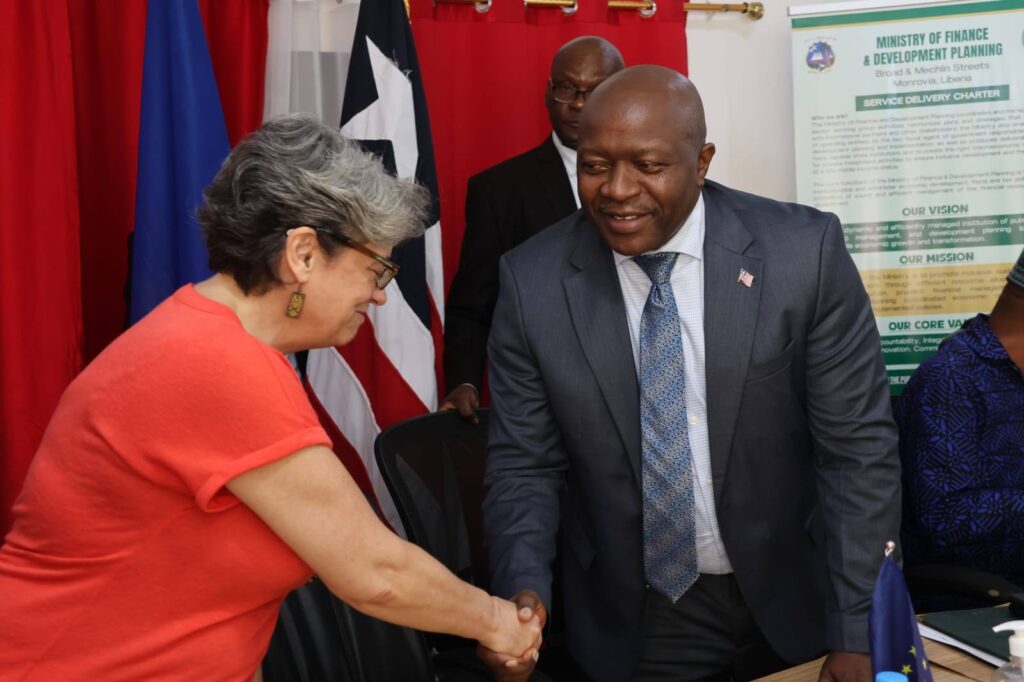
This €25 million grant is a test—of policy coherence, institutional maturity, and political will. If Liberia gets it right, the payoff will extend far beyond the coastline, strengthening food security, social stability, and trust in development partnerships. If it fails, the loss will not only be economic, but reputational. The tide is favorable. The responsibility now is to steer wisely.