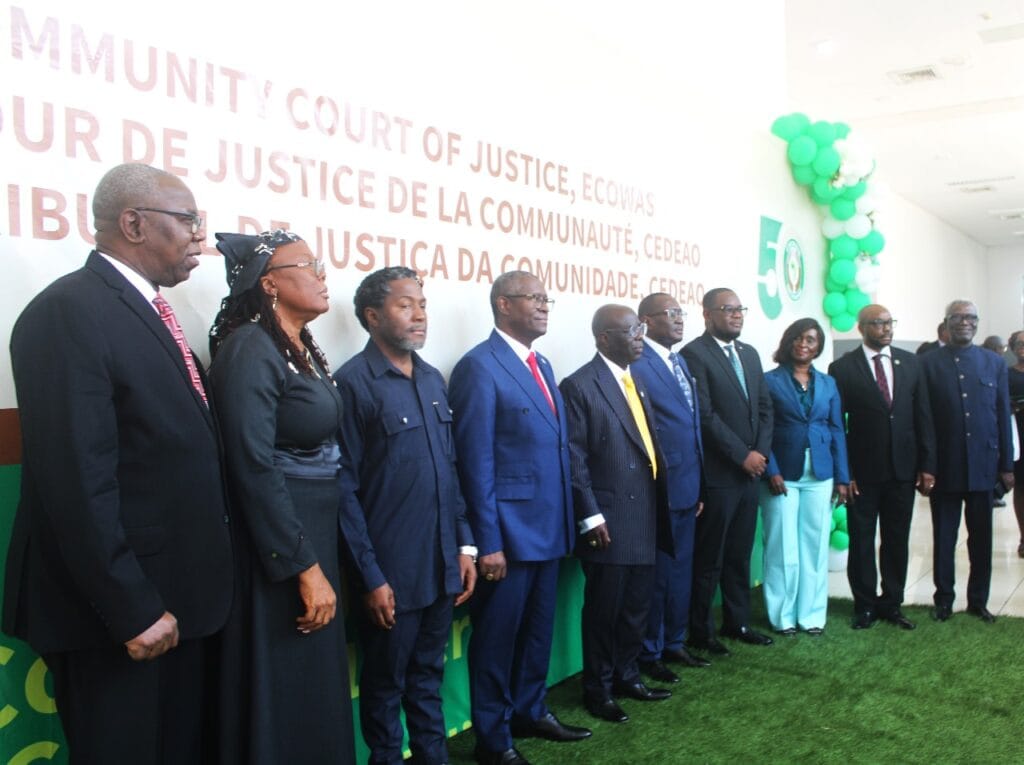
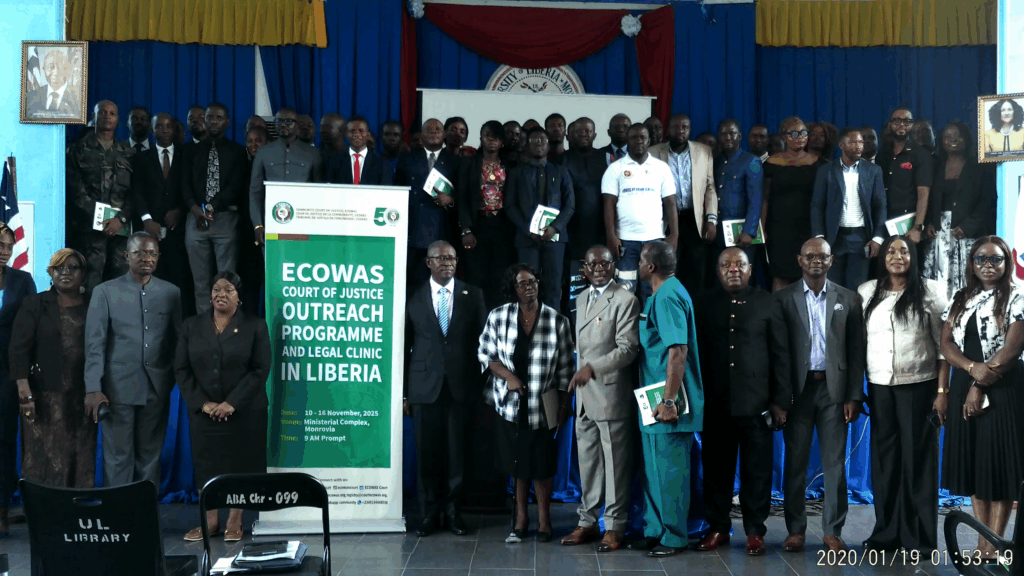
The ECOWAS Community Court of Justice has brought its first-ever outreach to Liberia, and the symbolism matters. Liberia is the only member state to have signed nearly all of the Court’s protocols. That is not a plaque for the wall; it is a door that opens to a regional forum where human rights are vindicated and states are held to account. The Court’s message in Monrovia was as clear as it was practical: learn the rules, know the case law, file properly, and you can win real remedies for real people.
Three takeaways from the Court’s President’s speech—delivered by the Court’s Vice‑President—should guide our legal community and policymakers.
First, the Court is only as useful as the lawyers who can use it. Too many cases, the Court said, fail not on substance but on procedure—missed timelines, improper pleadings, wrong parties, weak evidence. The ECOWAS Court hears actions against states, not private parties, and demands strict compliance with its rules. That is not bureaucracy; it is due process. If we want binding regional judgments that protect Liberian rights, our bar must master the Court’s practice and jurisprudence. That means doctrine and discipline.
Second, the Court is modernizing—and we must adapt quickly. An Electronic Case Management System (ECMS) will soon allow 24/7 e‑filing, notifications, and virtual hearings. No more default trips to Abuja to initiate a suit or argue a motion. Hybrid proceedings are here to stay, turning the courtroom into a classroom for students who can observe in real time. That should democratize access, cut costs, and speed up justice—if we build the skills and infrastructure to use it.
Third, the Court is investing in the next generation. Its moot competition is more than a student exercise. It is a farm system for regional advocacy and a pipeline to a bench and bar that understands West Africa’s integration law. Liberia’s faculties should mobilize now; we have talent that belongs on that stage.
What should Liberia do—now?

- Institutionalize training. The Ministry of Justice, the Liberia National Bar Association, and law schools should run regular ECOWAS Court practice courses: admissibility, timelines, party designation, evidence standards, and remedies. Pair doctrine with drills.
- Build a compliance culture. Passing laws is easy; executing judgments is harder. The Executive and Legislature should establish a national mechanism to track, report, and implement ECOWAS Court decisions—across ministries, security agencies, and regulators. Regional judgments are binding on the state; respect for them is a test of rule of law.
- Fund access. The Court is most valuable to those who struggle to be heard—detainees, displaced communities, women and girls, journalists, informal workers. Legal aid and pro bono programs should be resourced to bring meritorious claims when domestic remedies fail or are unreasonably delayed.
- Appoint a central authority. Designate and empower an Attorney General’s unit as Liberia’s liaison with the ECOWAS Court to coordinate litigation strategy, ensure timely state responses, and prevent default or procedural dismissal. One desk should own the docket.
- Mainstream ECOWAS case law. Encourage our courts to cite persuasive ECOWAS jurisprudence on fair trial, due process, access to justice, non‑discrimination, and state responsibility. Regional integration strengthens, not weakens, domestic justice.
- Use the tech. When ECMS goes live, the Judiciary and Bar should align: train clerks and counsel, create a helpdesk, and make e‑filing the norm. This is not an IT project; it is an access‑to‑justice project.
- Back the moot. Private firms, development partners, and the state should sponsor Liberian teams to compete in the ECOWAS Court Moot. It is the cheapest long‑term investment in our regional legal capacity.
- Tell the public. The Independent National Human Rights Commission, civil society, and the media should explain—plainly—who can sue, when, about what, and how. Rights that live only in texts will die in practice.
And a reminder worth underlining: the Court’s jurisdiction is against member states. If a Liberian suffers a rights violation attributable to the state—unlawful detention, censorship, denial of due process, abusive expropriation—the ECOWAS Court is an avenue when domestic remedies are exhausted or unreasonably delayed. It is not a catch‑all for private disputes; it is a regional check on public power.
Liberia has much to gain. The Court’s human‑rights mandate, expanded by the 2005 Supplementary Protocol, has built a body of law on fair trial, liberty, expression, and reparations that should guide officials and empower citizens. When the Court rules, compliance is not optional. The reputational and diplomatic costs of defiance are high—and so is the moral cost.
This outreach is a vote of confidence in Liberia’s commitment to regional justice. It is also a challenge. If we only host the Court but do not use it, we will have staged a seminar and missed an opportunity. If we use it but do not respect its judgments, we will have performed reform and betrayed substance. The standard is simple: make regional justice real at home.
The ECOWAS Court has brought the tools. Our job is to pick them up—carefully, competently, and in good faith.