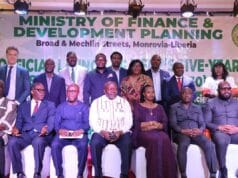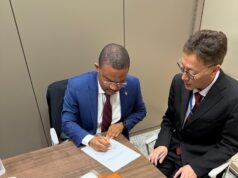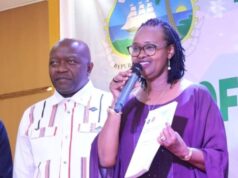
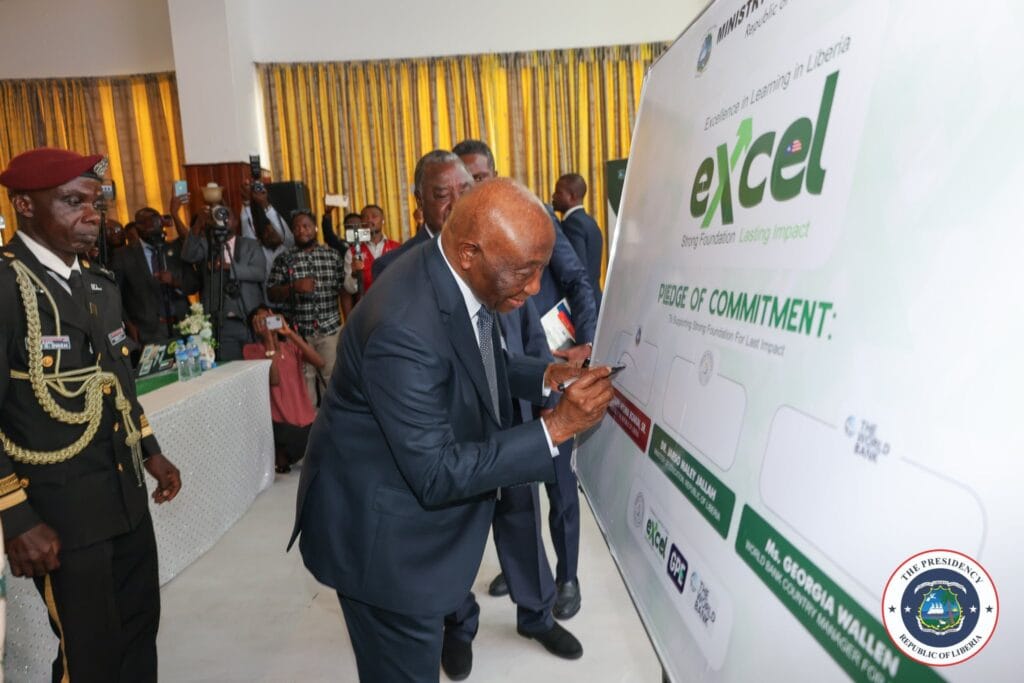
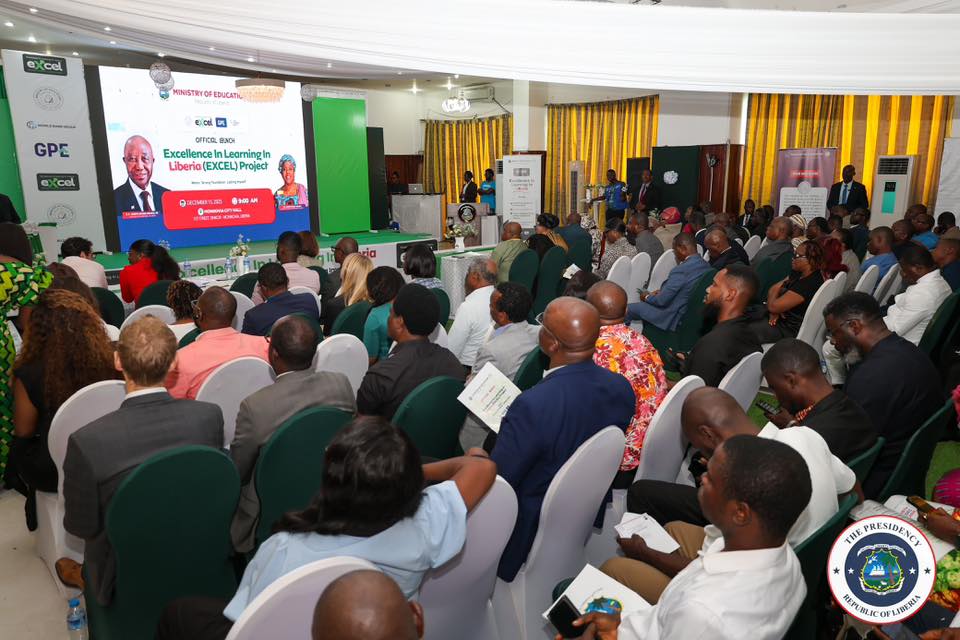
The launch of the Excellence in Learning in Liberia (EXCEL) Project marks one of the most consequential moments in Liberia’s education history—not because of the size of the financing alone, but because of the clarity of purpose behind it.
For the first time in years, Liberia’s political leadership, education technocrats, and development partners are speaking with one voice: access without learning is not success; classrooms without comprehension are not progress; and education reform without accountability is not reform at all.
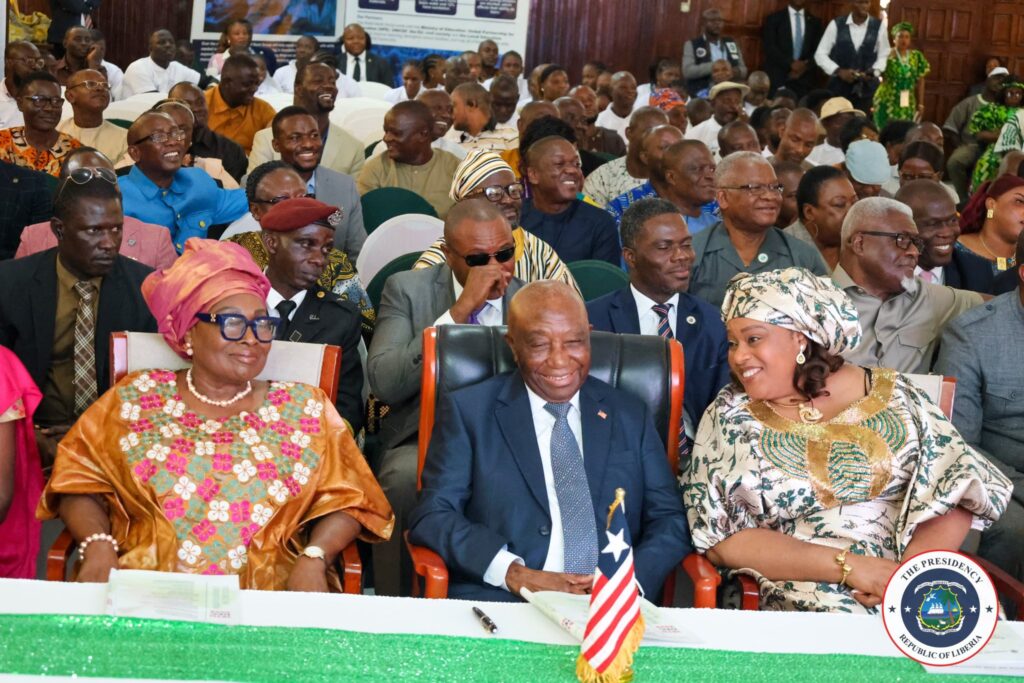
From President Joseph Nyuma Boakai’s declaration that quality education is “non-negotiable,” to Education Minister Dr. Jarso Miley Jallah’s sobering description of children who can write but cannot read, to Finance Minister Augustine Kpehe Ngafuan’s insistence that human capital—not short-term consumption—must drive development, the EXCEL launch was less a ceremony and more a national reckoning.
Naming the Crisis Honestly
The first strength of EXCEL is honesty.
World Bank Country Manager Georgia Wallen put it starkly: two out of three Liberian children in Grade Three cannot read a simple story, and four out of five struggle with basic numeracy. Dr. Jallah reinforced this reality from inside Liberia’s classrooms, reminding the nation that this is not a failure of children or teachers, but of systems that have tolerated promotion without mastery.
By naming learning poverty as the core problem, EXCEL abandons the comforting illusion that enrollment numbers equal success. It accepts a harder truth: Liberia expanded access faster than it built learning quality—and now must correct course.
From Projects to Systems
President Boakai was explicit: EXCEL is not just a project. It is a system-wide reset.
The four pillars he outlined—climate-resilient schools, performance-based capitation grants, school-based violence prevention, and strengthened learning assessments—are not isolated interventions. Together, they signal a shift toward measurable outcomes, safer schools, stronger data, and accountability.

Dr. Jallah’s emphasis on disciplined delivery underscores this shift. Financing alone will not save Liberia’s education system; execution will. EXCEL’s success will not be judged by launch speeches or donor applause, but by whether children can read, count, and think better five years from now.
Money Matters—but Credibility Matters More
With nearly US$90 million mobilized, EXCEL is the largest education investment in the history of the World Bank–Liberia partnership. But Ngafuan’s remarks made clear that money followed credibility.
Liberia’s renewed standing with partners—evidenced by EXCEL, the health partnership with the United States, and progress toward a second MCC Compact—flows from a government that is paying obligations, honoring commitments, and planning beyond election cycles.
This matters. Education reform cannot survive broken trust.
A National Test, Not a Donor Test
Perhaps the most important message from the EXCEL launch is that government alone cannot succeed.
President Boakai’s call to the Legislature for timely ratification, Dr. Jallah’s appeal to teachers and parents, and Wallen’s recognition of frontline educators all point to the same truth: EXCEL will succeed or fail in classrooms, communities, and counties, not conference halls.
Teachers must be supported—not overwhelmed. Parents must demand learning, not just promotion. Legislators must protect education from political bargaining. Communities must treat schools as sacred spaces.
The Moment Cannot Be Squandered
Liberia has launched education reforms before. Many faded under weak implementation, shifting priorities, or donor fatigue. EXCEL is different in scale, alignment, and intent—but it is not immune to old risks.
If data is collected but ignored, if grants are politicized, if assessments are delayed, or if accountability softens under pressure, EXCEL will become another missed opportunity.
But if Liberia holds the line—on standards, transparency, and discipline—EXCEL could redefine what public education means for a generation.
The Bottom Line
EXCEL is not about slogans. It is about whether a child in Lofa, Rivercess, or West Point can read with confidence, count with accuracy, and dream with possibility.
President Boakai put it plainly: “If we fail our children in the classroom, we risk failing the nation tomorrow.”
Liberia has chosen excellence as the standard. Now the work begins.