As Liberia joined the rest of the world to commemorate the 80th Anniversary of the United Nations, the ceremony at the Booker Washington Institute in Kakata was more than a celebration — it was a moment of reflection and recommitment. It underscored a historical truth: Liberia’s destiny and the ideals of the United Nations have always been deeply intertwined.
When Liberia became one of the founding members of the UN in 1945, it did so not out of convenience, but conviction — a conviction rooted in the belief that peace, human dignity, and international cooperation must guide the conduct of nations. Eight decades later, as President Joseph Nyuma Boakai reaffirmed during his keynote address, that conviction remains unshaken.
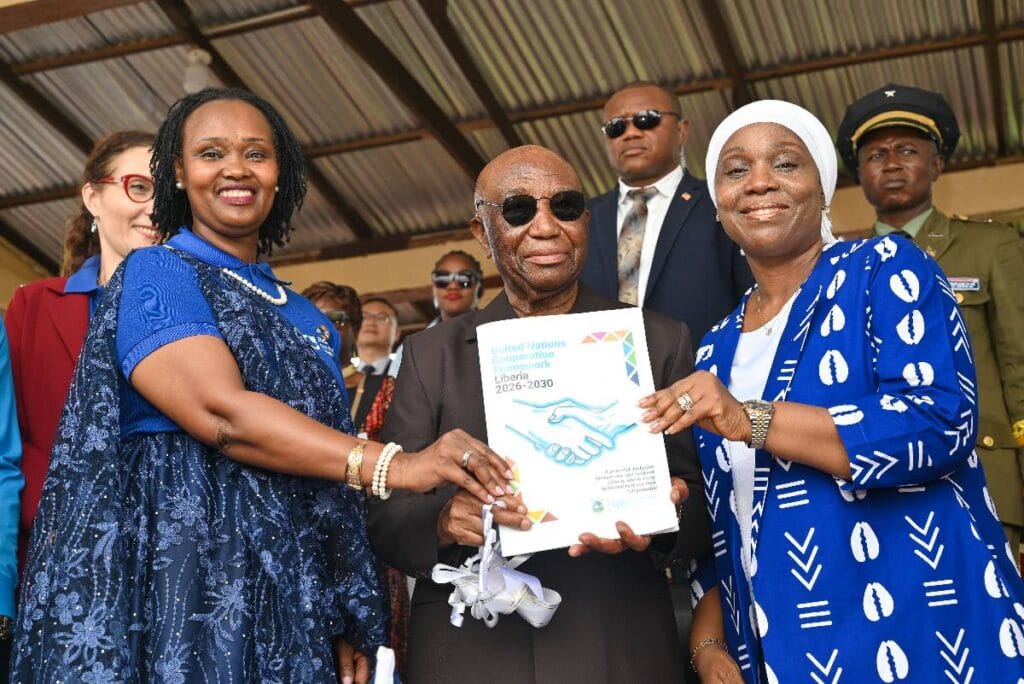
The President’s remarks were not the usual diplomatic pleasantries. They were a reminder that Liberia, once a beneficiary of global solidarity, now stands ready to reciprocate — to serve, lead, and contribute meaningfully to the international system. His acknowledgment of Liberia’s upcoming term on the UN Security Council in 2026 carries profound symbolism: a post-war nation once under UN peacekeeping watch now sitting at the table where global peace decisions are made.
This moment speaks to transformation — a journey from fragility to influence, from dependence to partnership. It signals that Liberia’s voice in global affairs will no longer be one of pleading, but of purpose.
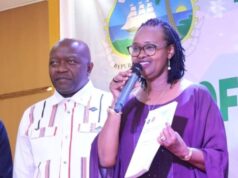
The United Nations itself, as echoed in Secretary-General António Guterres’ message read by UN Resident Coordinator Christine Umutoni, is at a crossroads. With escalating global conflicts, climate chaos, and technological disruption, the UN’s mission is under renewed test. Yet, Liberia’s own recovery story reminds the world that multilateralism — however imperfect — remains the surest path toward peace and collective survival.
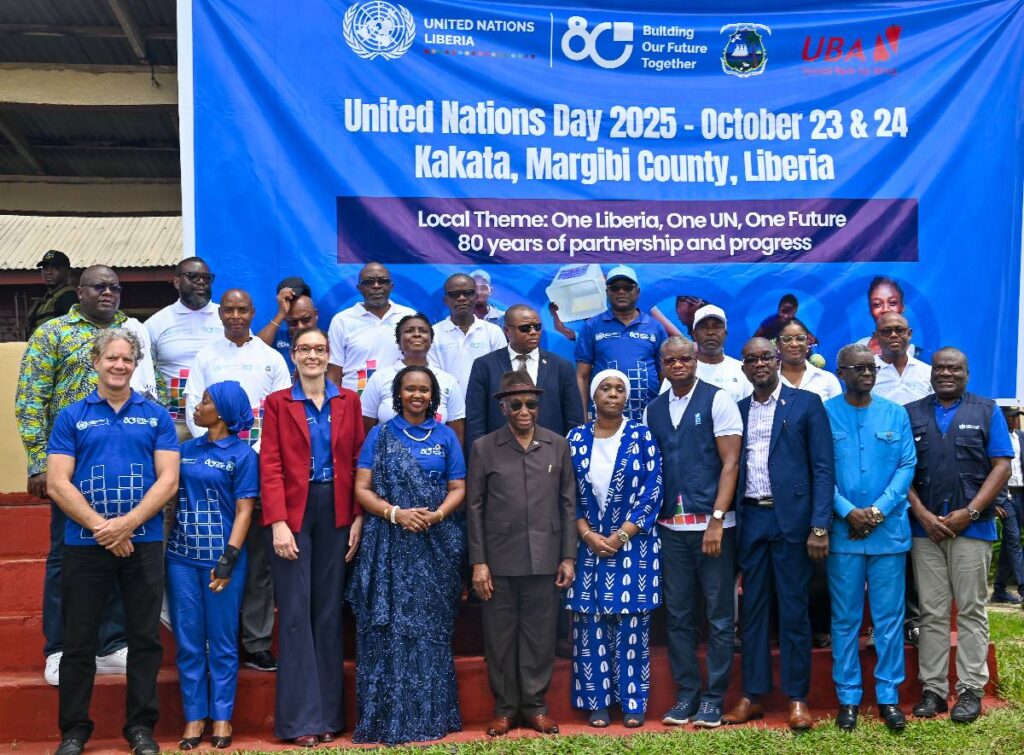
Ms. Umutoni’s remarks that “the label reads Liberia, but the seat belongs to Africa” was not mere rhetoric. It was a call to leadership — urging Liberia to carry Africa’s aspirations for peace, inclusion, and equitable development into the chambers of the Security Council.
The editorial meaning of this moment, however, goes beyond foreign policy. It challenges the Liberian government and people to practice, at home, the same values they pledge abroad — transparency, accountability, human rights, and respect for diversity. Liberia cannot be a champion of global peace while neglecting social justice or domestic harmony. The credibility of its international voice will always depend on the strength of its governance at home.
The new United Nations Cooperation Framework (2026–2030) — aligned with the government’s ARREST Agenda for Inclusive Development — provides a fresh opportunity to translate words into measurable outcomes. Its focus on human capital, good governance, and economic transformation is not only timely but necessary. These are the pillars upon which national renewal must rest.
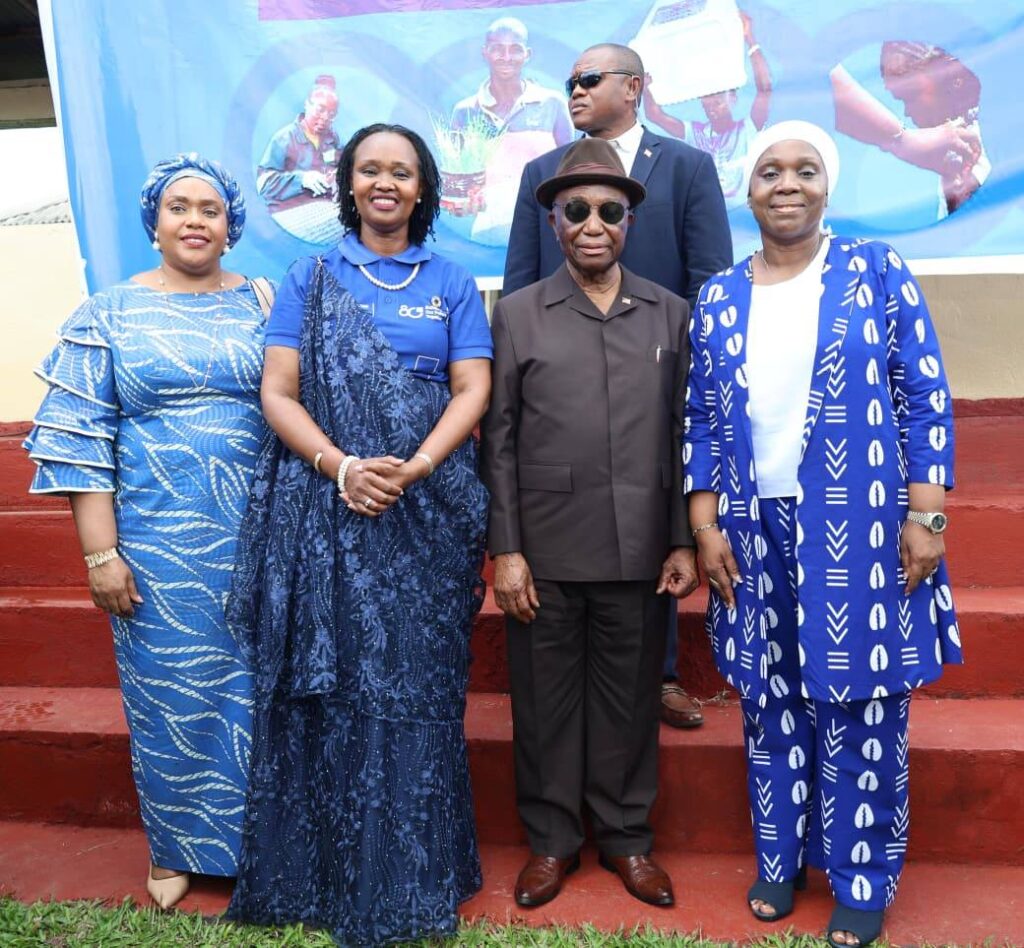
As the UN marks 80 years of existence, the message from Liberia should be clear: our partnership with the world body must now move from symbolism to substance. From celebrating shared history to crafting shared progress. From receiving assistance to shaping solutions.
In this milestone year, the challenge before Liberia is to rise as both a model and a messenger — a nation that embodies the UN’s founding vision that “we the peoples” can, through unity and courage, build a just and peaceful world.
Long live Liberia–UN partnership. Long live the spirit of multilateralism. And may this renewed global commitment become the foundation for a more prosperous and peaceful Liberia.