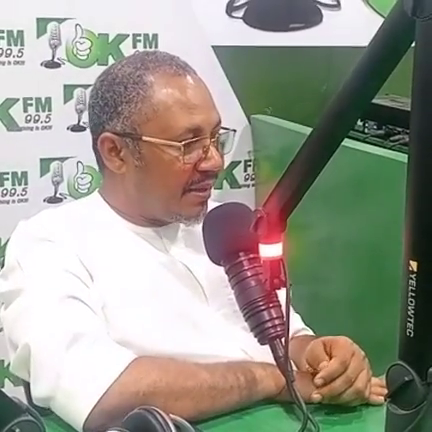
Liberians do not need a lecture on the failures of this country’s water and sewage systems. They live it every day. From broken pipes to overflowing drains, from unsafe drinking water to the indignity of paying exorbitant prices for trucked water, the crisis has become a normalized tragedy. So, when Liberia Water and Sewer Corporation Managing Director Mohammed “Mo” Ali sat down on OKAY FM on Thursday and laid out the most detailed vision we have heard in decades for repairing this sector, the nation had every reason to pay attention.
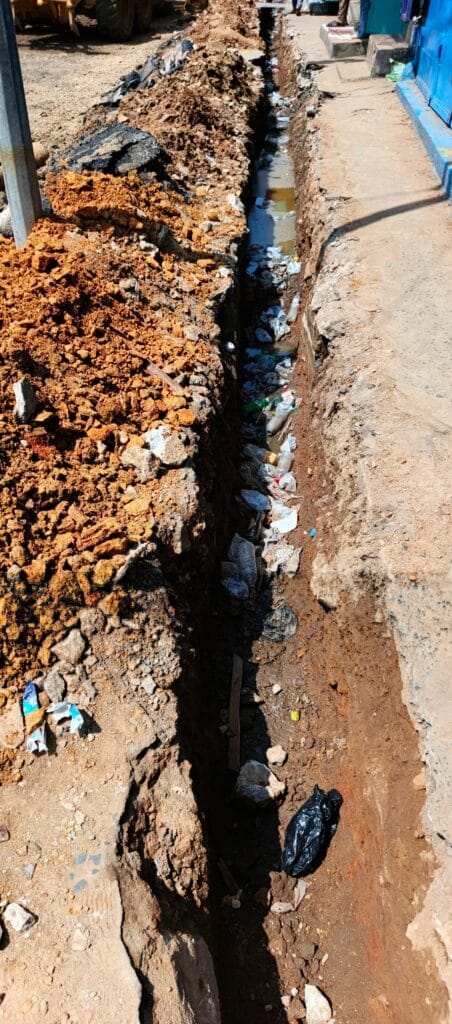
For once, the public did not hear excuses. They heard facts. They heard numbers. They heard timelines. And—most importantly— they heard responsibility. Ali did not pretend the system was functional. He admitted the truth: Monrovia’s central sewer system is collapsing, much of the infrastructure is from 1968, and countless households illegally drain waste into public waterways. This honesty alone is refreshing in a public sector often plagued by silence or denial.
But honesty is not enough. Liberia has been here before—grand announcements, ambitious plans, and then… nothing. What Ali described, however, is not business-as-usual. It is the beginning of a structural overhaul that deserves serious national support and even more serious oversight.
A Vision Rooted in Delivery, Not Rhetoric
Ali revealed that over 4,300 households have been connected to water this year—more than the President’s official target. Thousands of poor families received free hookups, saving them from the crippling cost of buying water by the bucket. This is not theoretical impact; this is real relief in real Liberian homes.
Across the Southeast, major systems are being built or revived in Pleebo, Zwedru, and Greenville—places long abandoned by national infrastructure. The tower in Pleebo alone will store over 100,000 gallons. After more than 30 years of neglect, Greenville’s system is being brought back to life. These are developments with transformational potential.
And yet, no progress is more consequential than the plan to replace the capital’s 36-inch transmission pipes, which were built when President Tubman was in power and are now more rust than metal. The price tag is high—tens of millions of dollars—but the cost of doing nothing is far higher.
The Stakes Could Not Be Higher
Liberia cannot develop without reliable water. Schools cannot function without sanitation. Hospitals cannot treat patients without clean supply. Communities cannot thrive while sewage flows through the streets. Investors will not come if the capital city cannot guarantee basic utilities.
The LWSC’s work, therefore, is not technical minutiae. It is nation-building.
But there is a risk—one Liberia knows too well: political leadership changes, projects stall, contractors disappear, and plans evaporate with them. We cannot allow this cycle of failure to repeat.
This Time Must Be Different
Mo Ali has outlined a path that, if followed, could place Liberia’s water system on stable footing for the first time in generations. But the success of this vision depends on more than Ali. It requires:
- Sustained political commitment beyond headlines and talk shows.
- Aggressive oversight from the Legislature, the media, and civil society.
- A corruption-proof procurement process to protect multimillion-dollar investments.
- Public cooperation, especially in ending illegal sewer connections.
- Long-term financing from development partners aligned with a coherent national plan.
If these elements fail, Liberia will again find itself trapped in the cycle of decay—spending millions to fix yesterday’s problems while producing none of tomorrow’s solutions.
A Call for National Alignment
The Liberian Post’s editorial board believes that Liberia Water and Sewer, for the first time in many years, has a real opportunity to turn the corner. Mo Ali has demonstrated command of the technical, financial, and operational realities of the sector. He has presented a blueprint that is clear, measurable, and achievable.
But political will—not engineering—has historically been Liberia’s biggest obstacle.
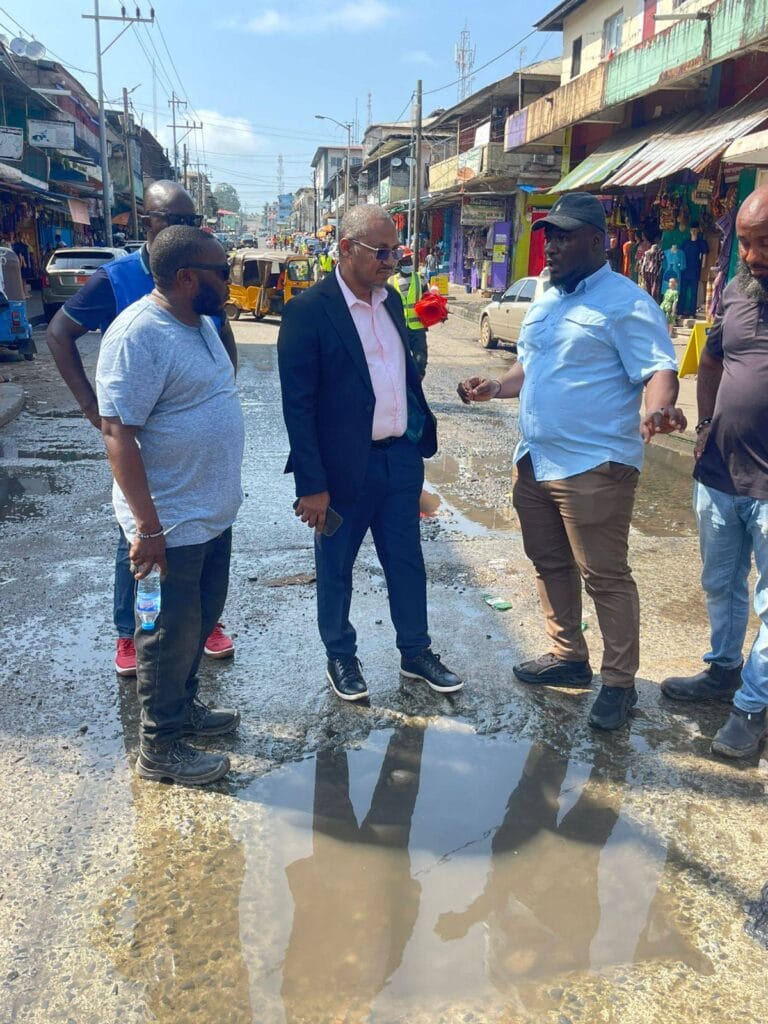
President Boakai’s administration must therefore treat water as a national emergency and a national priority. This is not a luxury; it is a foundation for public health, economic development, and human dignity.
Liberians deserve clean water. They deserve working sewage systems. They deserve leadership that delivers more than promises.
Mo Ali has placed the blueprint on the table.
Now the nation must decide whether it will build on it—or waste yet another chance to fix a broken system.