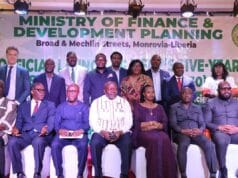
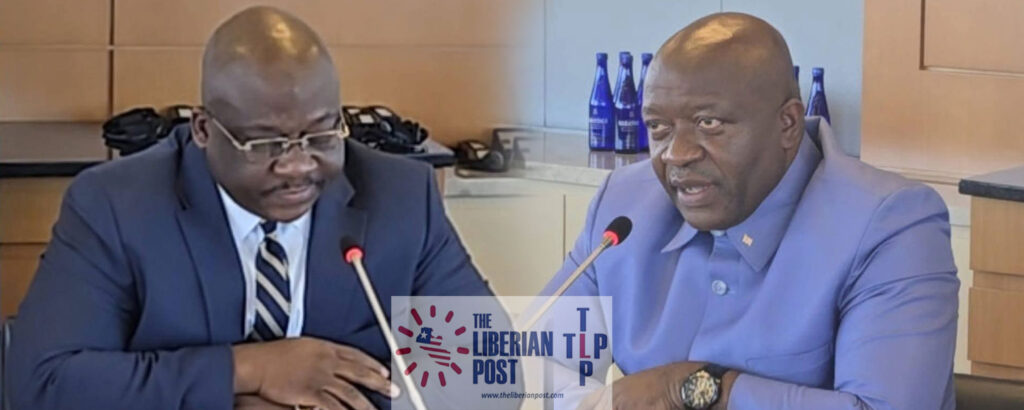
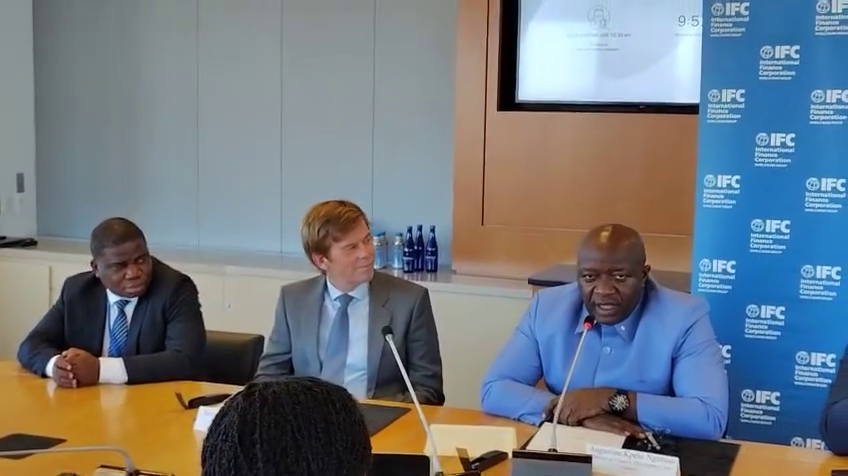
When Finance Minister Augustine Kpehe Ngafuan declared that President Joseph Boakai “didn’t come to curse the darkness, but to light the candle,” he wasn’t merely using a metaphor — he was defining a national mission.
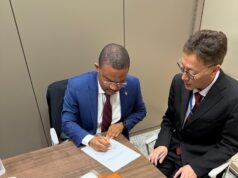
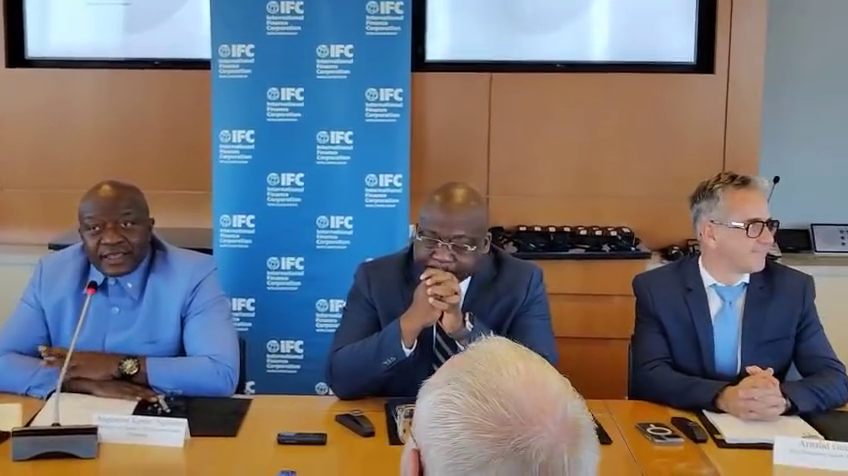
And with the signing of a new 23.7-megawatt solar energy agreement with Scatec on the margins of the World Bank Annual Meetings, Liberia is, quite literally, taking steps to light its future.
This deal marks more than another infrastructure contract. It represents a strategic shift toward renewable, decentralized energy, and a government finally recognizing that no development agenda — no matter how visionary — can succeed without reliable power. From industries struggling under high fuel costs to students studying by candlelight, the story of Liberia’s electricity deficit has long been one of frustration and stagnation.
But with this partnership, the government is signaling that it means business — not just in words, but in watts.
A Candle Becomes a Beacon
The Boakai administration’s “Arrest Agenda for Inclusive Development (AAID)” aims to expand electricity access to at least 75 percent of Liberians within five years. That target may seem ambitious, but ambition is what drives progress. For too long, limited generation capacity, aged infrastructure, and institutional inefficiency have left vast parts of the country in the dark — literally and figuratively.
The collaboration between the Ministry of Finance, Liberia Electricity Corporation (LEC), and Scatec demonstrates what public-private synergy can achieve when backed by political will. Managing Director Mohammed M. Sherif rightly called it “a model of collaboration that blends public leadership with private sector efficiency.”
If properly implemented, this project could reduce dependence on diesel generation, lower electricity costs, and unlock opportunities for small businesses — all critical to sustaining Liberia’s economic revival.
The Challenges Ahead
Still, lighting the candle is one thing; keeping it burning is another.
Liberia’s energy challenges go beyond generation — they include transmission bottlenecks, power theft, weak tariff enforcement, and the perennial struggle for financial sustainability at LEC. Without addressing these issues, even the most impressive new installations could fall short of their promise.
The government must ensure that this new partnership does not become another paper victory. Transparent procurement, effective oversight, and timely implementation will be key. Moreover, as the country expands generation capacity, investment in rural electrification and last-mile delivery must remain a top priority.
Lighting the Light — and Keeping It On
Liberia has long been described as a nation with immense potential dimmed by structural weaknesses. But each new light turned on — in Cestos, Barclayville, Greenville, or Monrovia — is a sign that this narrative can change.
President Boakai’s government has inherited a complex energy landscape, but through smart policy and committed partnership, it can transform it into an engine for inclusive growth.
In the end, this new solar project is not just about electricity.
It’s about restoring hope, powering enterprise, and illuminating the path to a brighter Liberia.
The candles are lit. Now, it’s time to ensure they never go out.