President Joseph Nyuma Boakai has set out an expansive and deliberate legislative agenda for 2026—one that signals seriousness of purpose, an appetite for reform, and a clear desire to leave behind the inertia that has long frustrated Liberians. But ambition, as history repeatedly shows, is only the opening chapter. The true test will be execution.
From economic governance and infrastructure expansion to rule of law, anti-corruption, education reform, and national reconciliation, the President’s third Annual Message places heavy demands on both the Executive and the Legislature. It reflects a government that understands the depth of Liberia’s structural challenges—and the political costs of continued delay.
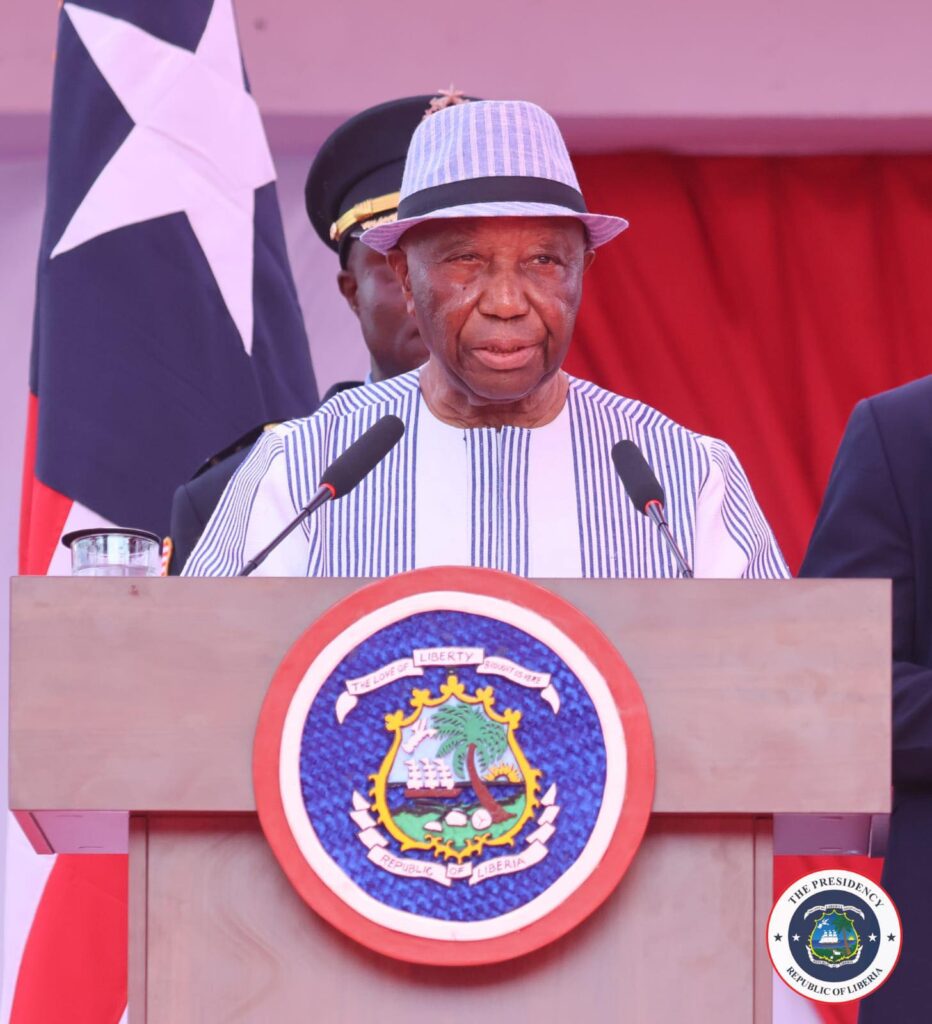
At the heart of the agenda is a promise Liberians understand intimately: bread-and-butter relief. Legislative priorities tied to domestic revenue mobilization, fiscal discipline, public financial management, and economic diversification are not abstract policy choices; they are responses to rising living costs, youth unemployment, and fragile household incomes. If these reforms stall in committee rooms or are weakened by political bargaining, public patience—already thin—will wear out quickly.
Equally important is the President’s emphasis on governance and the rule of law. Commitments to advance accountability mechanisms, strengthen integrity institutions, and pursue long-delayed justice reforms speak directly to a national demand: that no one be above the law. Yet here lies one of the administration’s greatest risks. Reform credibility will collapse if anti-corruption efforts are selective, slow, or compromised by political protection.
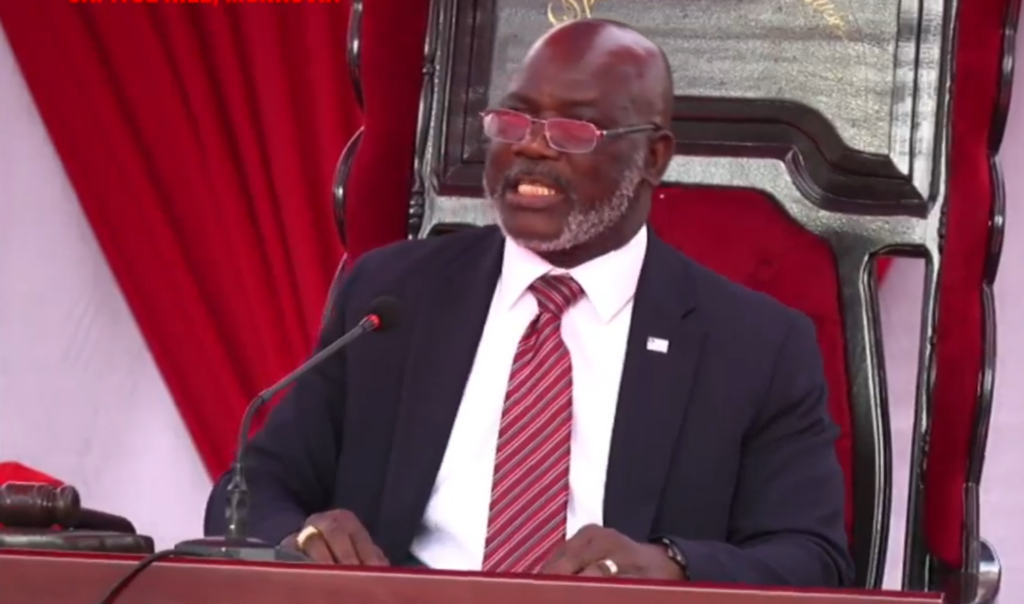
On infrastructure, the President’s legislative roadmap is bold—roads, energy, ports, and digital connectivity form the backbone of the 2026 agenda. These are not merely development projects; they are enablers of national integration and private-sector growth. However, Liberia’s past is littered with infrastructure plans that collapsed under weak oversight and inflated costs. The Legislature must move beyond ceremonial approvals and exercise rigorous, continuous oversight.
Internationally, President Boakai’s agenda reflects a confident re-engagement with the world—leveraging Liberia’s growing diplomatic standing, including its role on the global stage, to attract investment and development partnerships. But diplomacy must translate into domestic benefit. International goodwill alone will not feed families or build classrooms unless matched by local institutional capacity.
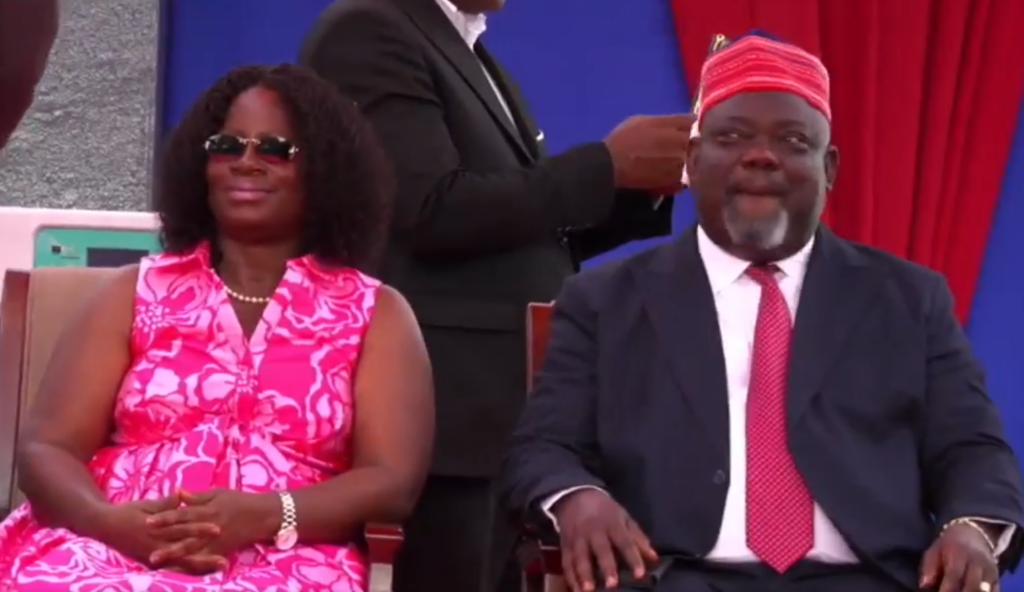
Perhaps the most consequential aspect of the 2026 legislative push is trust. Liberians are no longer persuaded by well-written speeches or long lists of bills. They are watching for timelines, benchmarks, and consequences for failure. The Legislature, for its part, must decide whether it will function as a true partner in national renewal or retreat into partisanship and procedural delays.
President Boakai has drawn the map. The question now is whether his government—and the Legislature—have the discipline, unity, and political courage to walk the road.
2026 will not forgive hesitation.
Follow The Liberian Post on Facebook and X (formerly twitter)