West Africa has endured far too much conflict in its modern history for any leader to casually flirt with actions that could destabilize the region. Recent developments along Guinea’s borders with Liberia and Sierra Leone raise serious concerns that demand urgent reflection from Guinea’s president, Mamady Doumbouya.
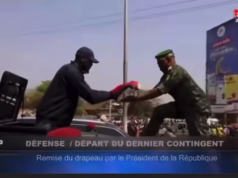
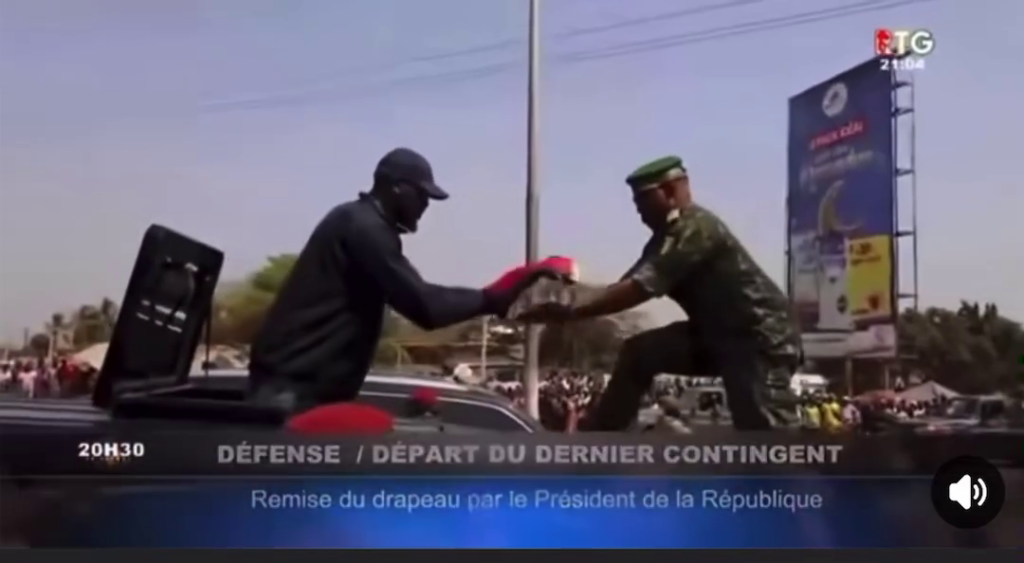
The deployment of Guinean troops toward sensitive border areas and the accompanying rhetoric about defending territory may be presented as patriotic inside Guinea. But for neighboring countries—particularly Liberia and Sierra Leone—these actions are understandably viewed as intimidation.
No responsible government should normalize military pressure against neighbors with whom it shares history, culture, and economic ties.
Liberia and Sierra Leone are not enemies of Guinea. They are partners in the Mano River Union, a regional framework created precisely to prevent the kinds of tensions that now threaten to resurface. The people living along these borders are not adversaries; they are families divided only by colonial-era lines drawn on a map.
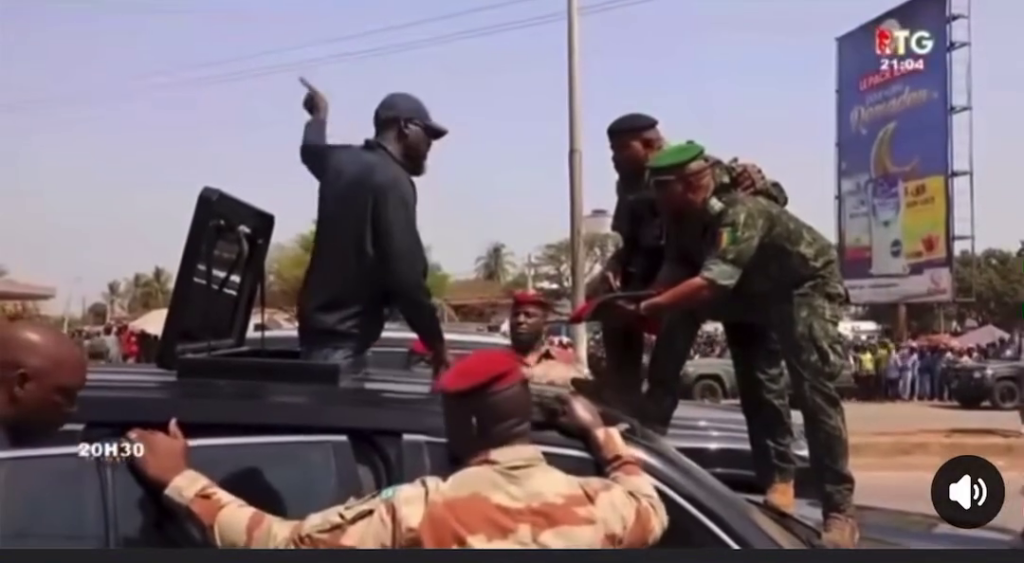
The troubling reality is that border disputes in the Mano River region have historically been resolved through diplomacy, not through troop deployments or nationalist posturing.
President Doumbouya would do well to remember that Guinea itself once benefited from the solidarity of its neighbors during difficult periods. Liberia and Sierra Leone have opened their borders to Guineans during times of instability. They have cooperated on trade, security, and humanitarian assistance.
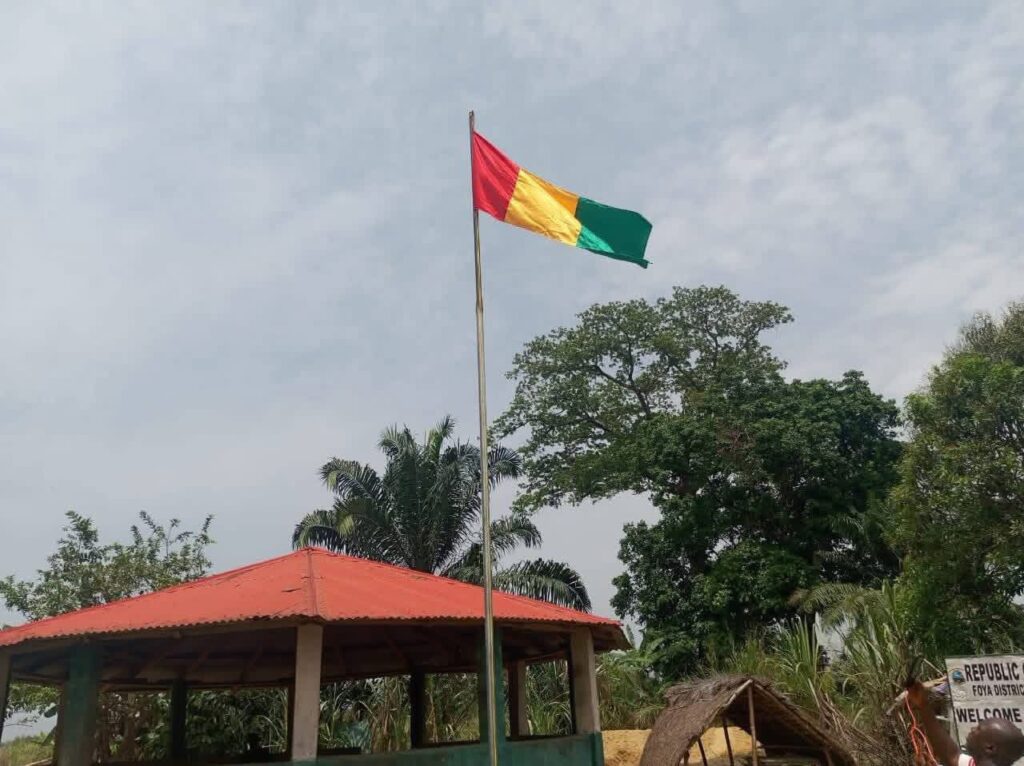
To now respond with military pressure is not leadership—it is bullying.
Guinea’s government insists that its military movements are defensive. Yet optics matter in international relations. When soldiers are mobilized near contested areas, when strong language accompanies those deployments, and when neighboring populations feel threatened, the message received is very different from the message intended.
True leadership requires restraint.
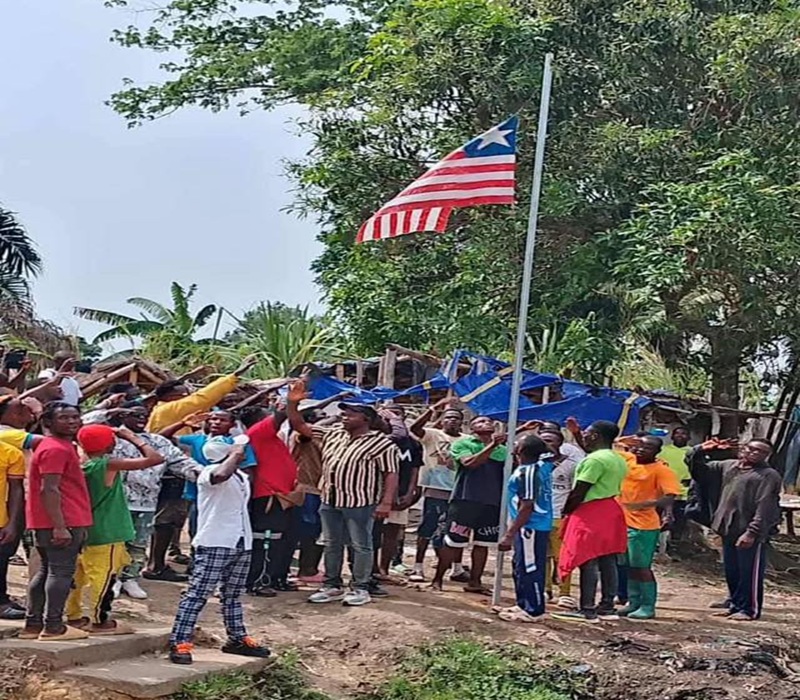
President Doumbouya came to power promising stability and national renewal. But regional stability cannot be achieved by flexing military muscle against smaller neighbors. Liberia and Sierra Leone are sovereign states whose territorial integrity deserves the same respect Guinea expects for itself.
If there are legitimate border concerns—and every country occasionally has them—the solution lies in dialogue, joint border commissions, and mediation through regional bodies such as ECOWAS and the Mano River Union.
History provides a painful lesson. The Mano River region once became the epicenter of devastating wars that cost hundreds of thousands of lives. Liberia’s civil conflict spilled across borders. Sierra Leone endured a brutal war fueled partly by cross-border instability. Guinea itself faced armed incursions during that turbulent era.
The leaders of today must ensure that those dark chapters never return.
What the region needs now is not military bravado but statesmanship. President Doumbouya should immediately de-escalate troop deployments near sensitive border areas and recommit to diplomatic engagement with both Liberia and Sierra Leone.
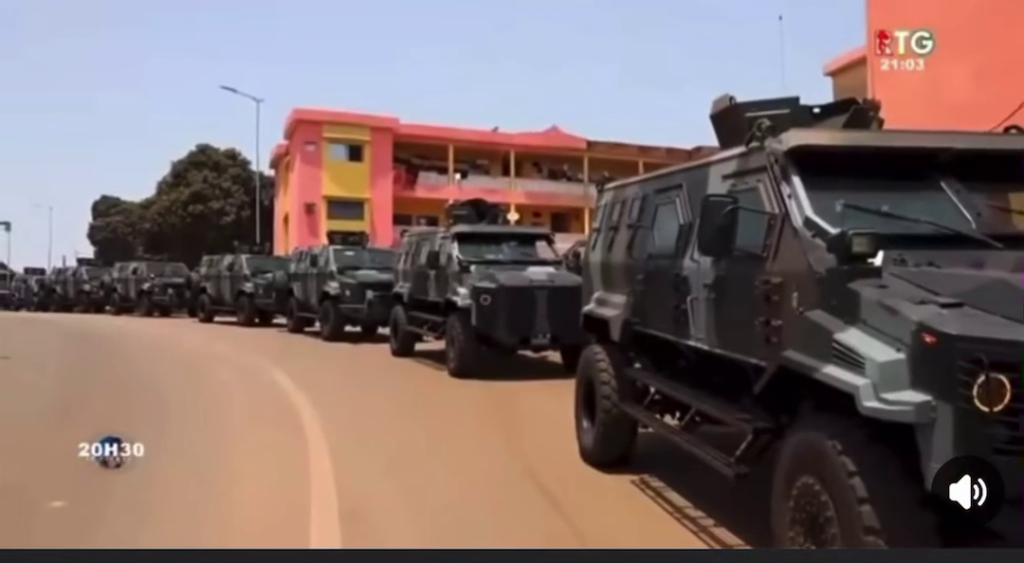
Strong leaders do not intimidate their neighbors. They build trust with them.
West Africa’s future depends on cooperation—on shared infrastructure, trade corridors, security partnerships, and the free movement of people and goods. Border tensions undermine all of these priorities.
President Doumbouya still has an opportunity to demonstrate that Guinea is committed to regional peace rather than confrontation.
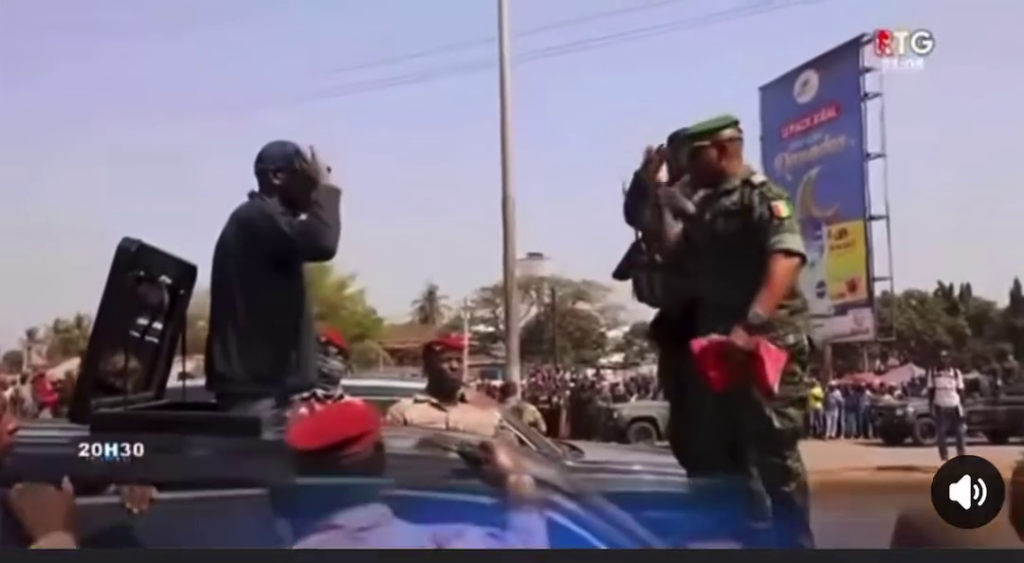
The path forward is clear: stop the bullying tactics, pull back the rhetoric, and return to diplomacy.
The people of Liberia, Sierra Leone, and Guinea deserve nothing less than peace along their shared borders.
Follow The Liberian Post on Facebook and X (formerly twitter).