



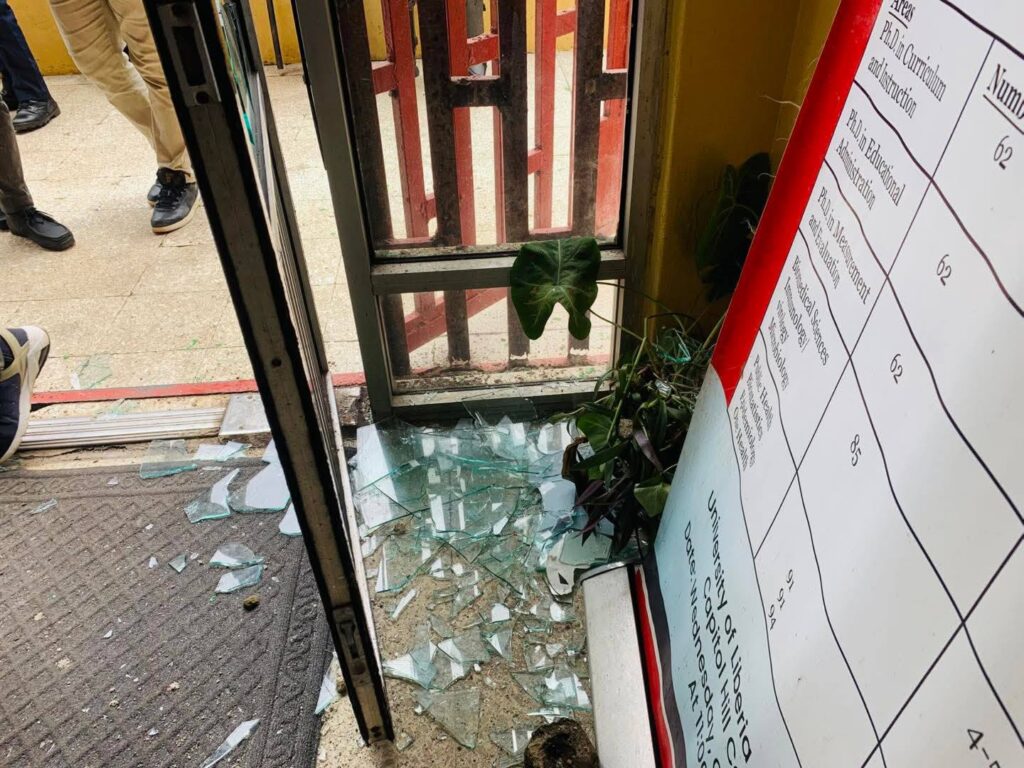
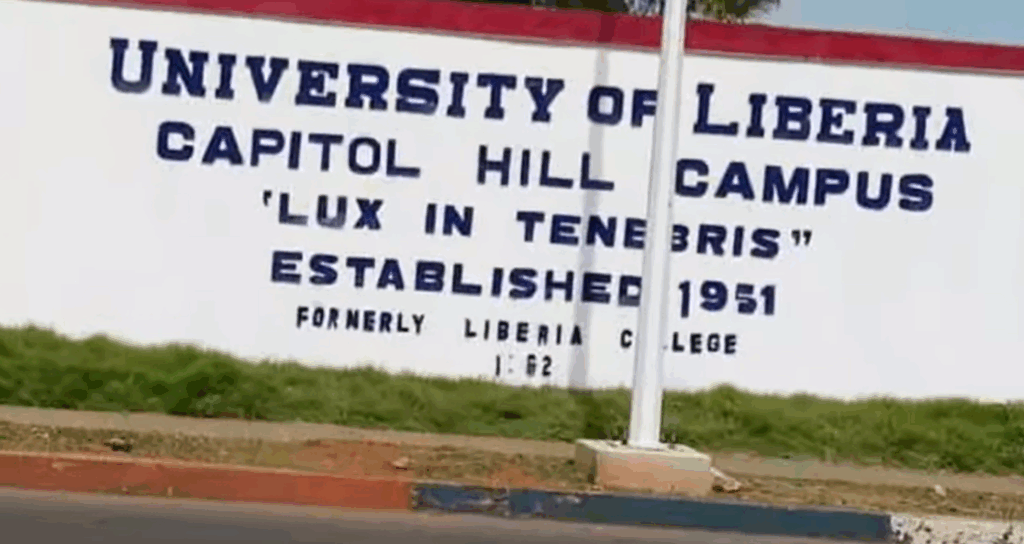
THE LATEST EPISODE of unrest at the University of Liberia — marked by student protests and vandalized offices — is yet another painful reminder of an institution caught in a seemingly endless cycle of crisis.
ONCE HAILED AS the beacon of higher learning in Liberia, the University of Liberia (UL) now finds itself frequently in the headlines for all the wrong reasons. From student agitations and violent demonstrations to administrative disarray and a visibly declining academic culture, the problems plaguing UL are not new — but they are deepening.
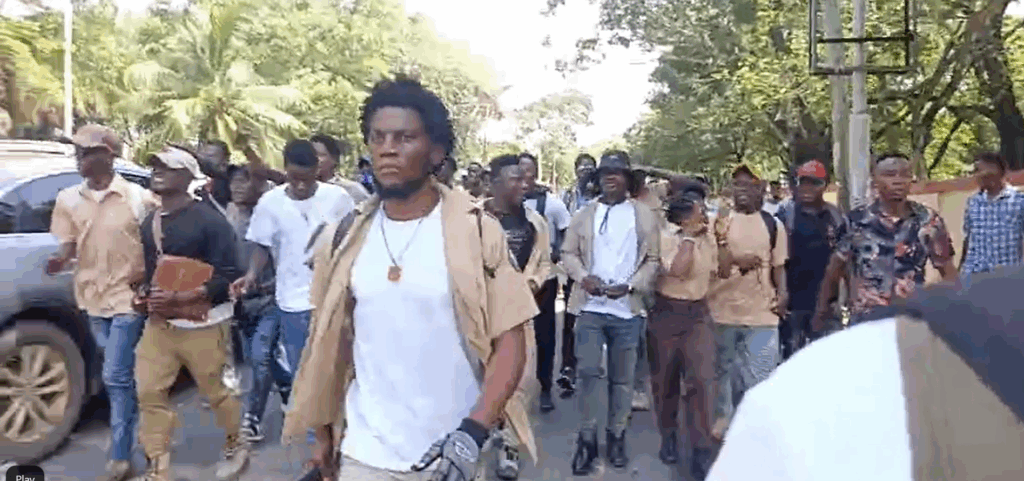
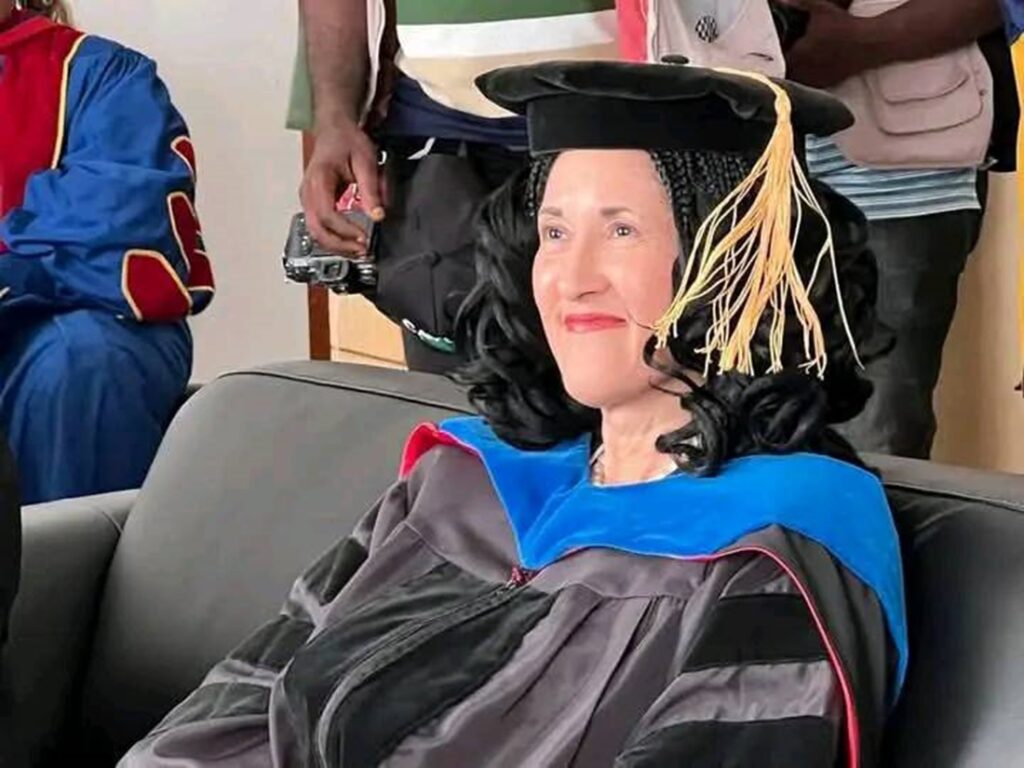
THE MOST RECENT protests, led by the long-standing Student Unification Party (SUP), have once again brought the university’s leadership under scrutiny. The demand for President Dr. Layli Maparyan’s resignation, accusations of poor governance, and frustrations over deteriorating academic conditions are not isolated grievances. They reflect the chronic dysfunction that has dogged the university for decades.
BUT VANDALISM, THREATS, and chaos are not solutions — they are symptoms. And unless all stakeholders are willing to confront the root causes and abandon the politics of blame, the University of Liberia will remain trapped in this unproductive cycle.
A Crisis of Leadership and Vision
TO BEGIN WITH, the administration must acknowledge its share of responsibility. Communication gaps, administrative inertia, and slow responses to students’ legitimate concerns have only widened mistrust. UL cannot function effectively if the student body feels alienated or ignored.
UNIVERSITY LEADERSHIP MUST rise above bureaucratic rigidity and engage in transparent dialogue. Administrators must not only listen, but act — swiftly and in good faith. Issues of accreditation, curriculum reform, overcrowded classes, lack of instructional materials, and faculty accountability need urgent and sustained attention.
AT THE SAME time, student leadership must mature beyond slogans and protests. While peaceful advocacy is a fundamental right, violent conduct and destruction of institutional property undermine the very cause students claim to fight for. Leadership is not about disruption alone; it is also about discipline, dialogue, and the pursuit of sustainable solutions.
Government’s Role Must Evolve
THE GOVERNMENT OF Liberia, as the primary funder and overseer of public tertiary education, cannot afford to be a bystander. Budgetary constraints and slow disbursement of funding have crippled operations at UL for years. To truly reform the university, the government must prioritize education financing and establish a dedicated reform task force to work with the university on structural transformation.
BEYOND FUNDING, A national education dialogue should be convened — bringing together policymakers, academics, students, parents, and civil society — to chart a new course for tertiary education in Liberia. The problems at UL mirror those in the broader public education system and need comprehensive policy attention.
Long-Term Reforms: A Path Forward
HERE ARE SOME practical steps to consider:
- REVISE THE STUDENT Governance Framework
The student political structure at UL needs overhaul. Its current posture is more revolutionary than representative. A reformed structure should prioritize academic engagement, policy advocacy, and constructive partnership with the administration. - ESTABLISH A PERMANENT Conflict Resolution Mechanism
Create a university ombudsman or conflict mediation body involving neutral stakeholders to address grievances before they escalate. - INVEST IN INFRASTRUCTURE and Learning Resources
The dilapidated state of facilities only worsens tensions. Libraries, labs, lecture halls, and digital access must be upgraded. - IMPLEMENT ACCOUNTABILITY ACROSS the Board: Faculty, administrators, and students must all be held to standards. There should be consequences for negligence, misconduct, and violence — regardless of who is responsible.
- DEPOLITICISE THE CAMPUS: National politics should not be allowed to hijack the university space. While political education is important, the classroom must come before the campaign.

Conclusion
THE UNIVERSITY OF Liberia deserves better — and so does the nation. It is time for stakeholders to shift from confrontation to collaboration, from short-term fixes to lasting reforms. The future of Liberia depends on the education of its youth. Let the University of Liberia once again become a citadel of learning, not a battleground of discontent.
THIS IS A national imperative. The time for talking is over. The time for action is now.






hello there and thanks in your information – I have definitely picked up anything new from proper here. I did on the other hand experience a few technical issues the use of this website, as I skilled to reload the web site lots of instances prior to I could get it to load properly. I were puzzling over in case your web host is OK? Not that I’m complaining, but slow loading instances times will often have an effect on your placement in google and could harm your high quality score if ads and ***********|advertising|advertising|advertising and *********** with Adwords. Well I’m including this RSS to my e-mail and can glance out for a lot more of your respective interesting content. Make sure you update this again soon..
Comments are closed.