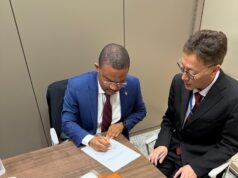
The death of Sam Poar Juday, a young Liberian pursuing his Master of Business Administration in India, has struck a deep and painful chord across the nation. It is not merely the loss of one promising life; it is a moment that forces Liberia to confront uncomfortable truths about how its citizens are protected—or left exposed—when they cross borders in search of education, opportunity, and hope.
Sam was part of a growing generation of Liberians who believe that education is the surest path to personal advancement and national progress. Like thousands before him, he left home with ambition, discipline, and faith that the systems meant to protect students abroad would work when needed. His death, under circumstances still not fully explained, has shaken that belief.
Justice, in this case, must not be reduced to a slogan. It must be deliberate, transparent, and uncompromising. The Liberian government was right to summon India’s ambassador and demand a full investigation, including an autopsy. That step was necessary—but it must not be the last. Diplomatic engagement must be sustained, not symbolic. Updates must be public, facts must be verified, and accountability must be pursued without fear or favor.
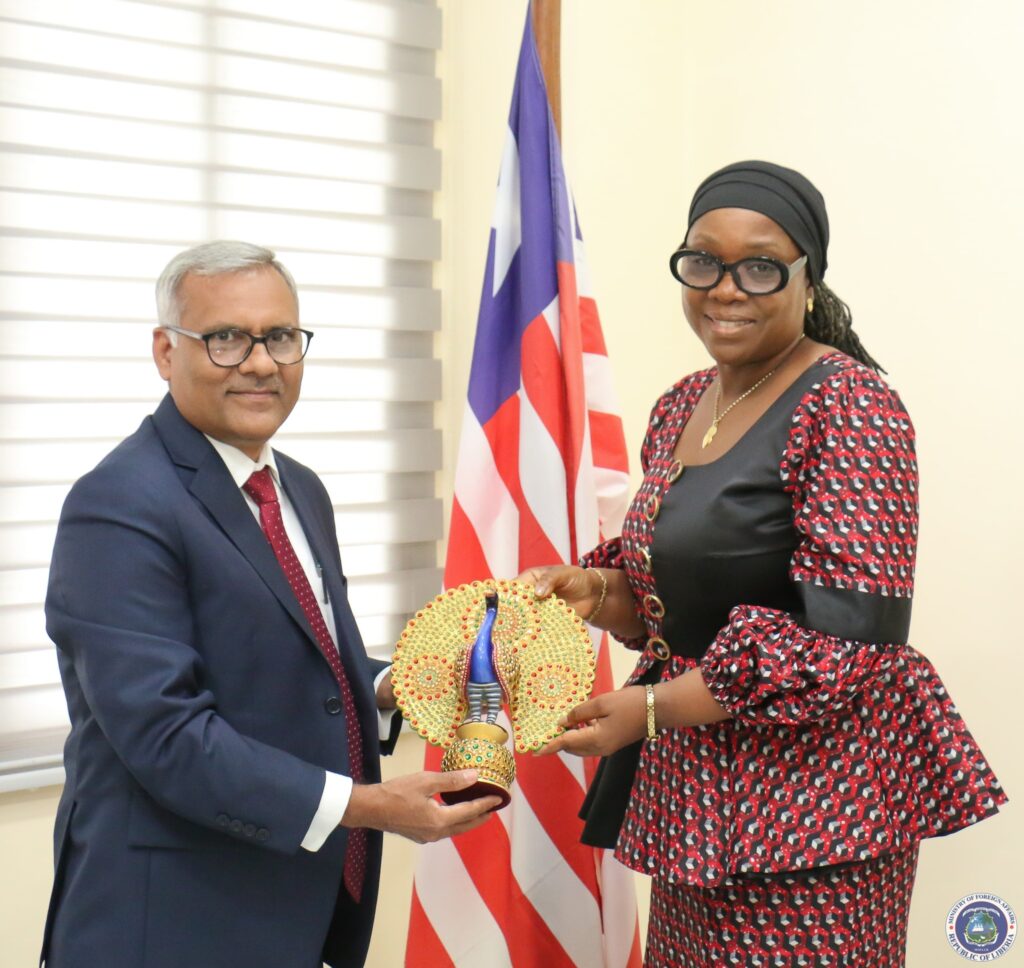
At the same time, restraint is essential. Allegations circulating on social media, however emotionally charged, must not replace due process. Justice for Sam Poar Juday will not be achieved through speculation or collective blame, but through evidence, law, and international cooperation.
Yet even as investigations continue, one reality is already clear: Liberia is dangerously underprepared to protect its citizens in countries where it has no diplomatic footprint. India hosts a growing number of Liberian students, traders, and residents. The absence of a Liberian embassy or permanent mission there has left many vulnerable—without timely consular support, legal guidance, or emergency intervention.
Sam’s death should mark a turning point.
Establishing a Liberian embassy in India is no longer a matter of convenience or prestige; it is a matter of duty. Consular presence saves lives. It deters abuse, accelerates crisis response, and signals to host governments that Liberian citizens matter. Nations are judged not only by how they govern at home, but by how fiercely they defend their people abroad.

The strong reactions from Liberians across the diaspora—from Uganda to the United States—underscore a shared expectation: that the Liberian state must be visible, vocal, and vigilant wherever its citizens reside. Silence, delay, or half-measures would deepen the wound this tragedy has already inflicted.
Sam Poar Juday deserved protection in life. He deserves justice in death. And Liberia owes it to every student carrying its flag into foreign classrooms to ensure that what happened to Sam is neither forgotten nor repeated.
If anything meaningful is to come from this loss, it must be a renewed national commitment: no Liberian life abroad is expendable, and no cry for justice should go unanswered.