The recent suspension of nearly 30 high-profile members of the Unity Party’s National Executive Committee (NEC) has laid bare a troubling fracture within one of Liberia’s most prominent political organizations. What should have been a routine disciplinary measure has instead spiraled into a public relations nightmare, exposing lapses in procedural integrity, political infighting, and a potential disregard for Liberia’s legal frameworks.
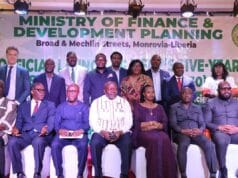
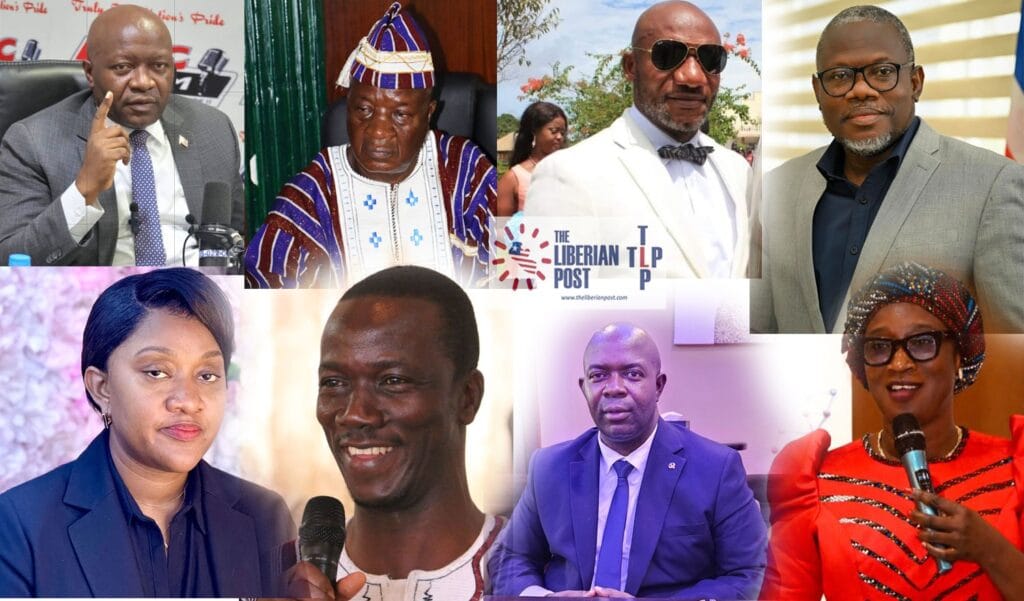
At the heart of this controversy lies the suspension of key figures, including government officials such as Solicitor General Augustine Fayiah, Information Minister Jerolinmek Piah, Presidential Press Secretary Kula Fofana, and Finance Minister Augustine K. Ngafuan. The party justifies these suspensions on grounds of absenteeism and failure to pay dues. Yet, as the dust settles, it is evident that the issue runs far deeper than internal party discipline.
Weeks before the Unity Party’s action, Liberia’s Office of the Ombudsman had already flagged some of the suspended individuals for violating the National Code of Conduct—a clear statutory guideline that prohibits appointed officials from active partisan roles. The party’s failure to heed this advisory before imposing punitive measures raises serious questions about its commitment to legal compliance and ethical governance.
Even more concerning is the apparent sidelining of President Joseph Nyuma Boakai, the party’s Political Leader, who reportedly was neither consulted nor informed of these drastic steps before they were publicly announced. Such a breakdown in internal communication not only undermines the President’s authority but also signals a dangerous precedent of unilateral decision-making within the party’s ranks.
The suspensions, which include hefty fines and threaten expulsions, risk further deepening factionalism at a time when Liberia’s political landscape demands unity and adherence to democratic principles. The move appears less about accountability and more about political maneuvering, as suggested by observers who note the timing and nature of the disciplinary actions.
Beyond the immediate party dynamics, this episode casts a shadow over Liberia’s broader governance framework. It underscores the urgent need for political parties to respect legal boundaries and uphold the principles of transparency and fairness—not just in their public rhetoric but in their internal affairs as well.
Calls to Action
- For the Unity Party: The party must urgently restore internal cohesion by respecting due process and legal mandates. It should revisit the suspensions with transparency, allow for fair hearings, and involve the Political Leader and broader membership in critical decisions. Upholding the National Code of Conduct is non-negotiable for maintaining public trust.
- For Government Institutions: The Office of the Ombudsman and related oversight bodies should intensify efforts to monitor and enforce compliance with the Code of Conduct among public officials. Clear guidelines and consistent enforcement will deter partisan overreach and safeguard ethical governance.
- For the Public and Civil Society: Citizens and watchdog groups must demand accountability from political parties and government officials alike. Public pressure and vigilant monitoring can encourage reforms and ensure that political organizations do not operate above the law.
In the end, Liberia’s democracy stands to benefit not from internal squabbles but from political organizations that lead by example—championing the rule of law, accountability, and unity in the face of challenges. The Unity Party’s current crisis is a stark reminder that these ideals must be more than slogans; they must be lived realities.