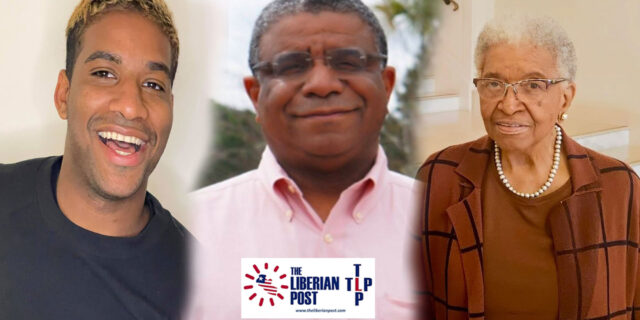
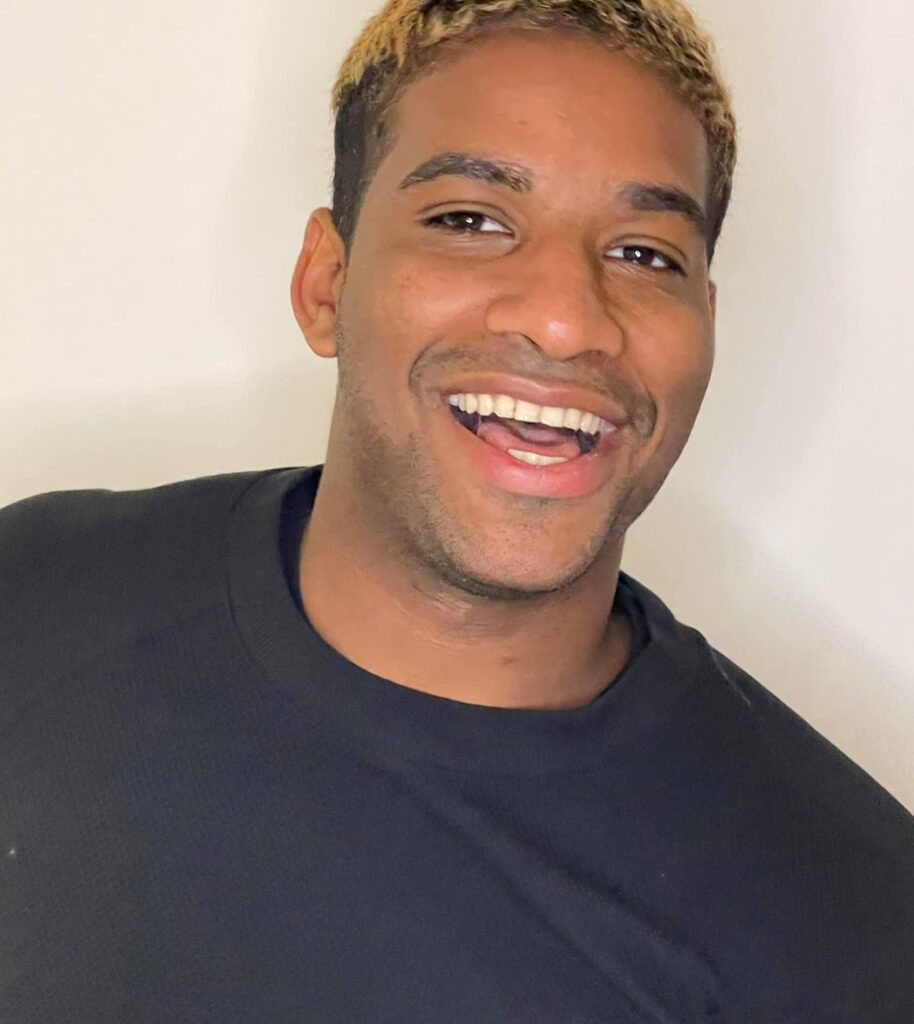
MONROVIA, Liberia — A social media storm has erupted across Liberia and the diaspora following a controversial comedy skit by Jamell Sirleaf, the grandson of former Liberian President Ellen Johnson Sirleaf, after remarks in his stand-up routine were widely interpreted as demeaning to Liberia and dismissive of the country’s painful history.
The skit, portions of which circulated widely on Facebook, X, WhatsApp, and Instagram, included Jamell describing Liberia as a “small, poor African country” and referring to himself as the “lowest-tier nepo baby,” language that ignited intense backlash from Liberians at home and abroad. While Jamell later posted an edited version of the video on his own Facebook page, many users continued sharing a longer clip containing lines that were removed from his upload, fueling accusations that he attempted to soften the controversy without fully addressing its substance.
A Joke That Touched a National Nerve
In the longer version of the skit, Jamell referenced his grandmother’s 12-year presidency and Nobel Peace Prize, then pivoted into a joke framing Liberia as “the lowest tier,” language many Liberians viewed not as satire but as humiliation. Hundreds of commentors posted angry posts directed not only at Jamell, but also at his family lineage, with critics invoking Liberia’s civil war, unresolved accountability, and lingering trauma.
“This was not comedy—it was contempt,” one commenter wrote. Others accused Jamell of benefiting from Liberia’s history while ridiculing the very country tied to his privilege. Some comments descended into harsh personal attacks, reflecting how deeply the remarks struck at unresolved national wounds.
Liberia’s History Is Not a Punchline
The backlash was sharpened by Liberia’s complex past. The country endured two brutal civil wars that claimed an estimated 250,000 lives and displaced millions. While Ellen Johnson Sirleaf is internationally credited for stabilizing Liberia in the post-war period and restoring its standing globally, many Liberians continue to debate her early political decisions, including her acknowledged support for Charles Taylor at the start of the conflict—an issue she addressed before the Truth and Reconciliation Commission (TRC).
For critics, Jamell’s jokes trivialized this history. “That pain is not content,” one Liberian wrote. “It is lived experience.”

An Open Letter Goes Viral
Adding intellectual weight to the backlash, a strongly worded open letter by Glendy Jane Junius, a self-described survivor of Liberia’s wars, went viral. Addressed to Jamell, his parents, and his grandmother, the letter rejected the framing of Liberia as “the lowest tier” and accused Jamell of mocking suffering rather than challenging power.
“Comedy does not exist in a vacuum,” Junius wrote. “Words shape perception. When you call Liberia ‘the lowest tier,’ you are reinforcing decades of disrespect toward African nations.” She argued that while Liberia deserves critique, it must never be reduced to ridicule—especially by someone carrying a historic national name.
The letter concluded with a call for accountability, urging Jamell to “do better” both as a comedian and as a Liberian by heritage.
Jamell Responds With Love, Not Apology
As criticism mounted, Jamell responded on Facebook, insisting that his joke was aimed at Americans—particularly Floridians—who are ignorant about geography and Africa, not at Liberians themselves. “No one actually watched the video,” he wrote, adding that he loves Liberians, Floridians, and “everybody.” He later posted, “I love all of you and wish you the absolute best.”
Notably absent from his responses, however, was a direct apology. That omission further divided opinion, with some supporters defending comedy as free expression, while others argued that intent does not erase impact.
A Broader Conversation on Identity and Diaspora
Beyond Jamell himself, the controversy has reopened a broader national conversation about diaspora identity, privilege, and responsibility. Many Liberians questioned how children of elite families understand—or fail to understand—the weight of history carried by ordinary citizens.
Others cautioned against cyberbullying and personal threats, arguing that criticism must remain principled rather than abusive. Yet even those voices acknowledged that Jamell’s words crossed a sensitive line.
When Laughter Meets Legacy
In Liberia, names carry weight, and legacies are inseparable from national memory. For many, Jamell Sirleaf’s skit was not merely an off-color joke, but a reminder of the fragile line between humor and harm in societies still healing from conflict.
As the debate continues, one message has emerged clearly across social media: Liberia may be imperfect, poor, and wounded—but it is not, and will never be, a punchline.