MONROVIA – The Environmental Protection Agency (EPA) of Liberia has announced administrative action against Elsin Transport & Logistics for allegedly violating environmental regulations in connection with a controversial shipment of palm kernel waste that recently arrived at the Freeport of Monrovia.
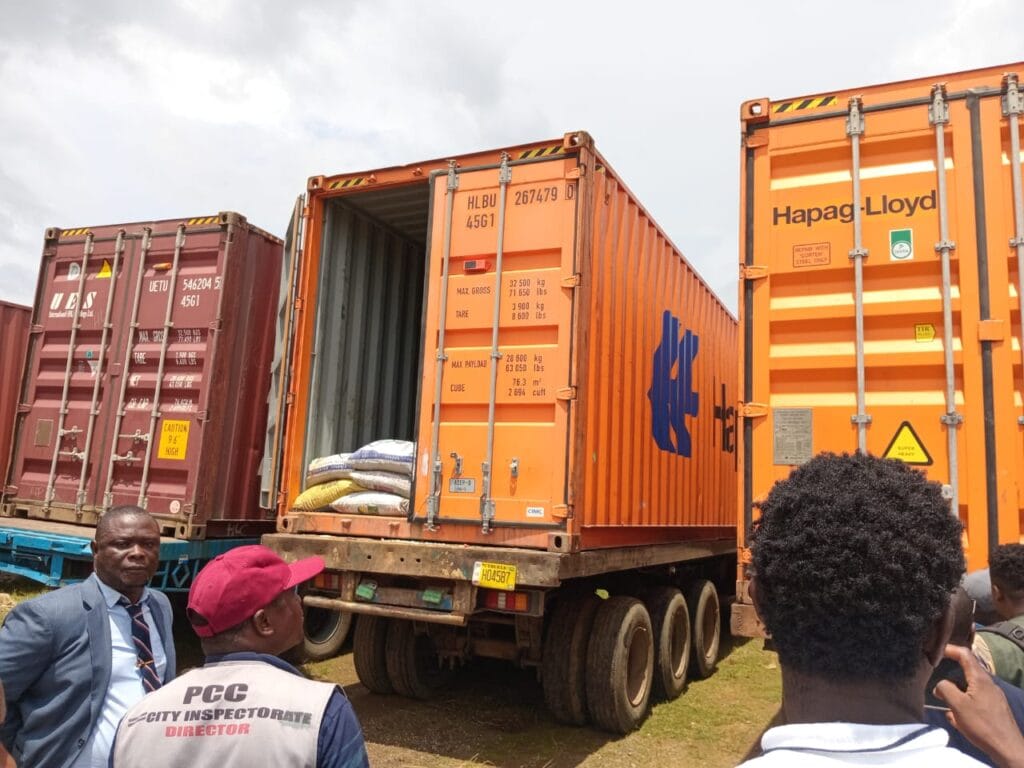
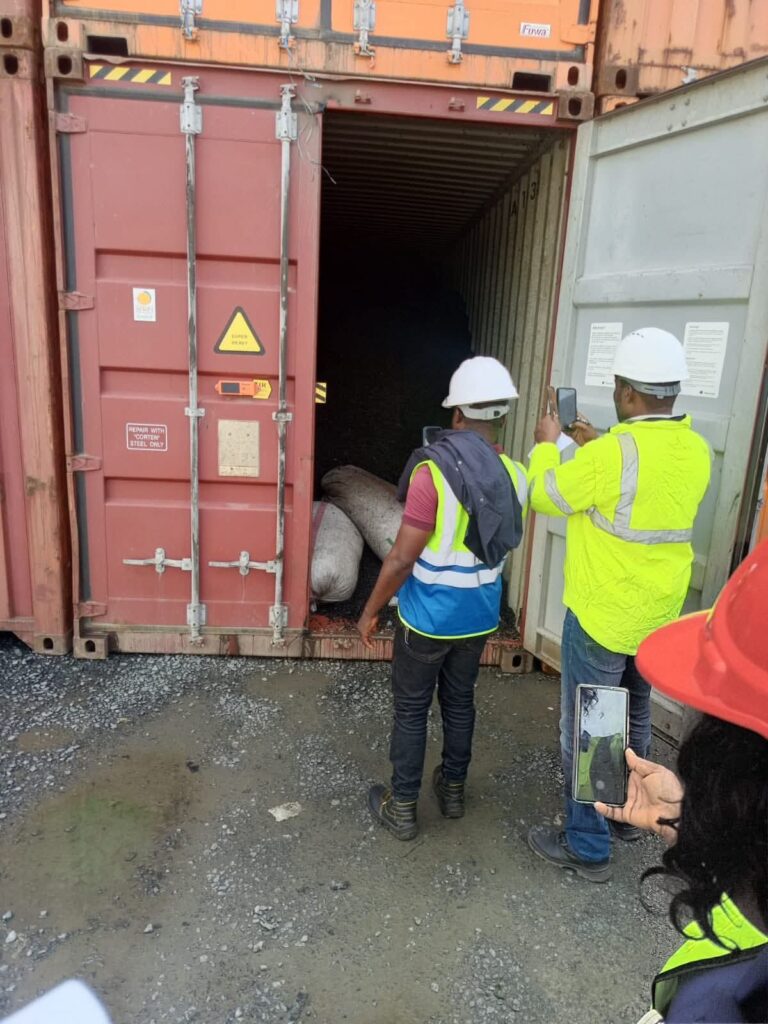
The consignment, referenced under Document #C11515, contained 17 containers of palm kernel shells from Nigeria, originally destined for Portugal as part of a 368-container vessel. According to the EPA, the shipment was infested with worms and required special handling and disposal.
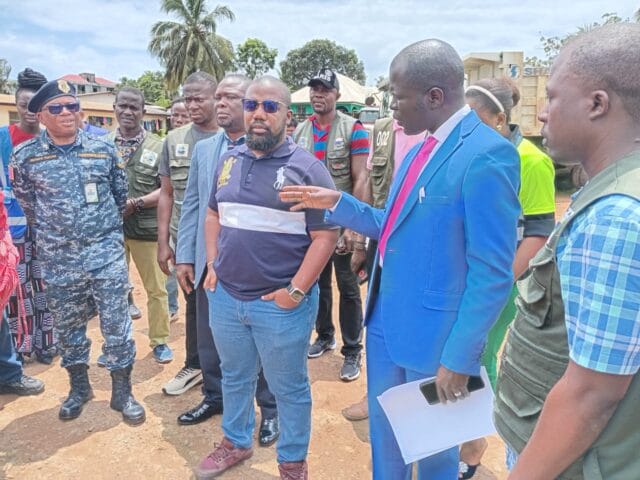
EPA Executive Director Dr. Emmanuel Urey Yarkpawolo told journalists on Thursday, October 1st, in Paynesville that Elsin Transport & Logistics prematurely disposed of one of the containers at a site in Weintown without EPA approval or proper environmental safeguards, in violation of Liberia’s Environmental Protection and Management Law.
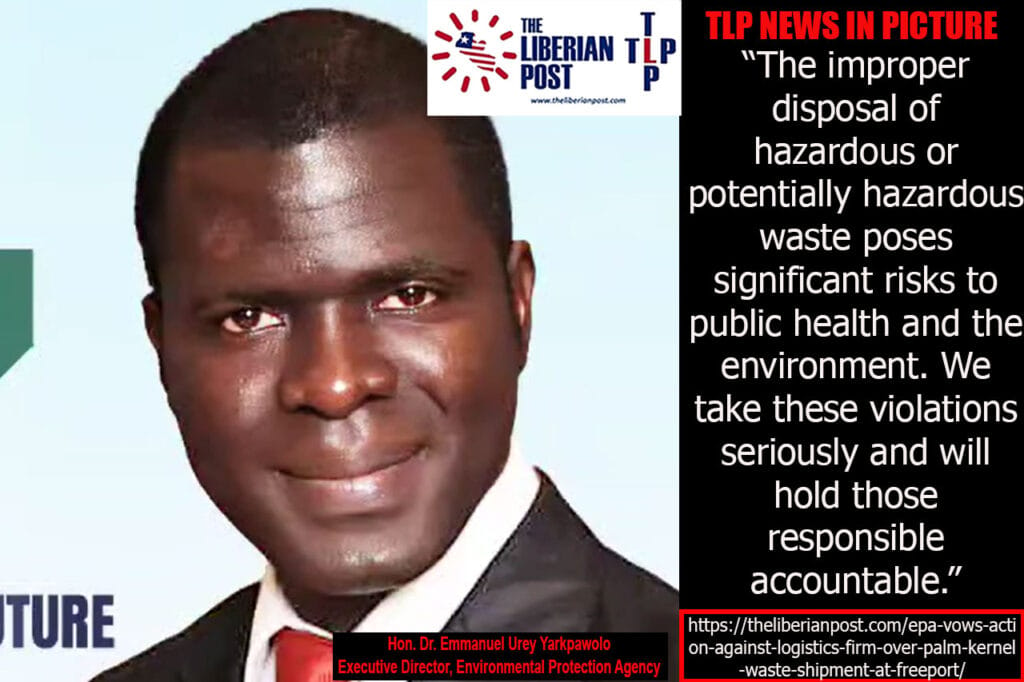
“This is a serious breach,” Dr. Urey said. “The improper disposal of hazardous or potentially hazardous waste poses significant risks to public health and the environment. We take these violations seriously and will hold those responsible accountable.”
EPA’s Findings and Compliance with International Standards
Following the shipment’s arrival on September 18, 2025, the EPA directed that all 17 containers remain in the custody of APM Terminals while random samples were collected for testing. Laboratory analyses confirmed that the palm kernel shells were non-hazardous, showing no dangerous levels of heavy metals, oils, or other contaminants.
Despite being non-hazardous, the EPA stressed that disposal procedures must follow established environmental protocols under both Liberian law and international conventions, including the Basel Convention, which governs transboundary movements of hazardous waste.
The Agency said it will publish a summary of the laboratory findings on its website to ensure transparency.
“Palm kernel shells are traded internationally as biomass fuel, organic fertilizer, and animal feed when properly processed,” Dr. Yarkpawolo explained. “But even non-hazardous materials must be handled responsibly to protect our environment.”
Company Responds
When approached by reporters, Elsin Transport’s Chief Executive Officer, who declined to be named, confirmed his company’s willingness to cooperate with the EPA.
“This is Liberia’s own business that found itself in this situation,” he said, explaining that the cargo was diverted for disposal in Liberia after the ship’s captain discovered the palm kernels were decaying and could affect other goods on the vessel.
He appealed to the EPA to “find common ground” in resolving the issue.
EPA’s Next Steps
The EPA has temporarily held the remaining containers at the Freeport while it investigates Elsin’s actions. It also confirmed that Elsin must engage an EPA-approved waste management provider before any disposal can take place.
Dr. Urey emphasized that Liberia “will not serve as a dumping ground for waste from other countries,” recalling that the agency previously rejected a hazardous waste shipment in 2020 that was returned to its country of origin.
The EPA assured the public that it remains committed to protecting Liberia’s environment and public health while upholding national and international standards.
“Liberians can rest assured,” Dr. Urey concluded, “that we will act decisively to ensure that all waste management in the country is done transparently, responsibly, and safely.”