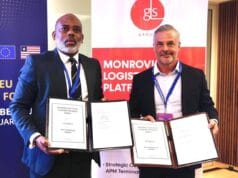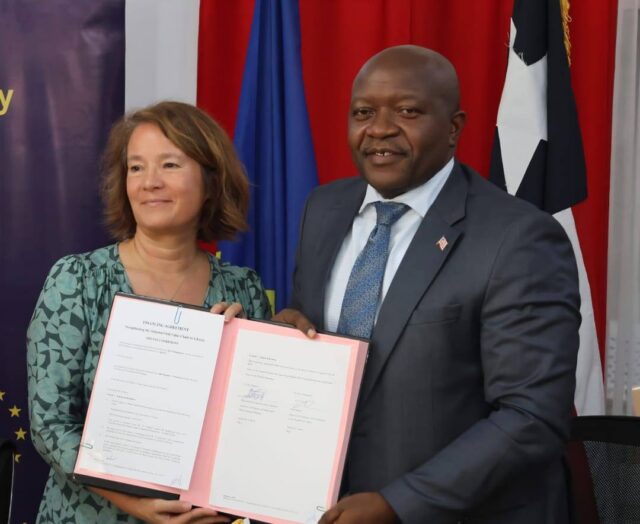
MONROVIA, Liberia — The Government of Liberia and the European Union have signed a landmark €25 million grant agreement aimed at transforming Liberia’s artisanal fisheries sector, reinforcing a long-standing partnership focused on inclusive growth, job creation, and sustainable development.
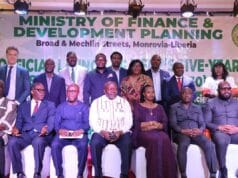
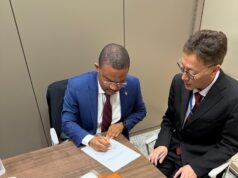
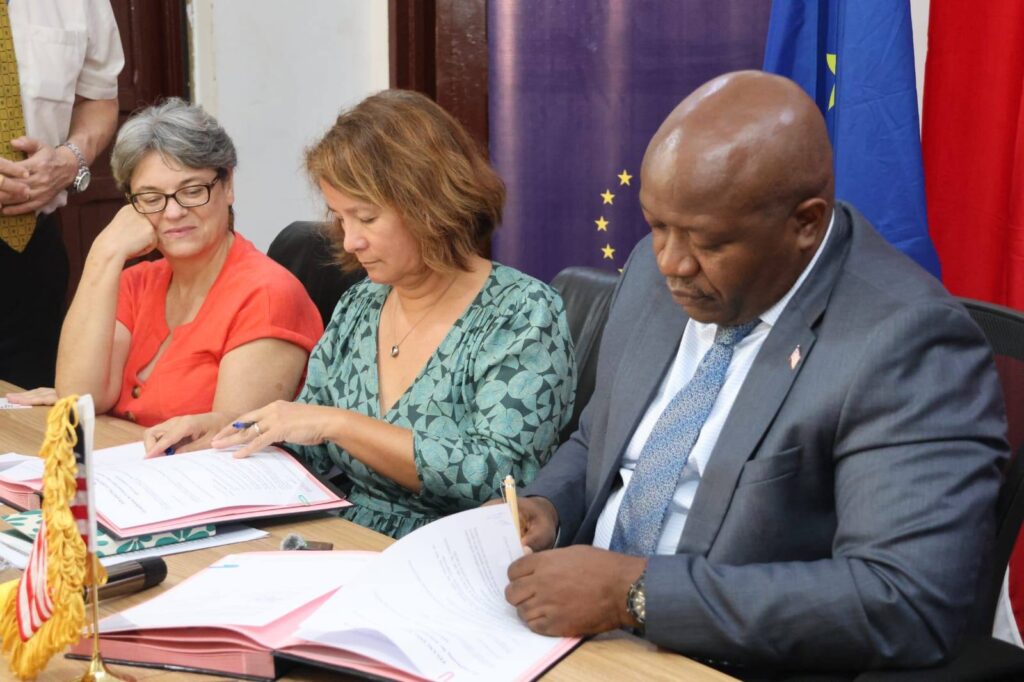
The financing agreement, signed at the Ministry of Finance and Development Planning on January 23, marks one of Liberia’s most significant sector-specific development initiatives in 2026. The grant will support the Artisanal Fisheries Value Chain under the Government’s ARREST Agenda for Inclusive Development, with direct benefits expected for fishing communities across Liberia’s nine coastal counties.
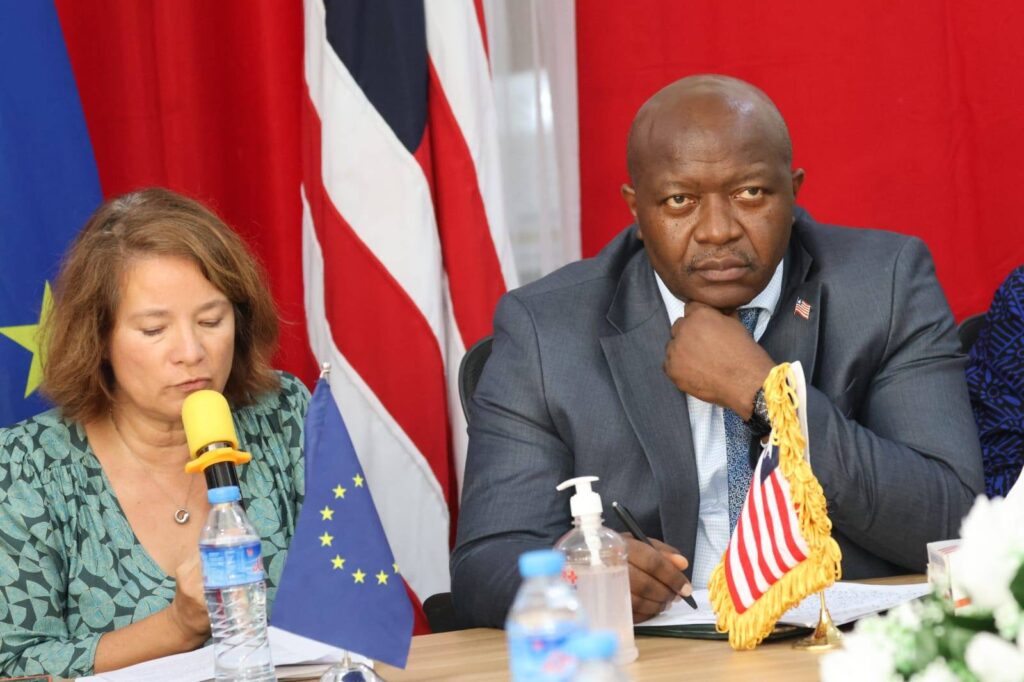
Speaking at the signing ceremony, Deputy Finance Minister for Economic Management Dehpue Y. Zuo described the initiative as a strategic investment in livelihoods and value addition rather than short-term relief. He emphasized that the fisheries sector holds enormous potential for employment, food security, and youth empowerment if properly supported.
Acting Director General of the National Fisheries and Aquaculture Authority, Cyrus J. Saygbe, noted that the grant represents more than financial support. According to him, the funding strengthens Liberia’s institutional capacity to combat illegal, unreported, and unregulated (IUU) fishing, improve post-harvest handling, expand cold storage infrastructure, and professionalize artisanal fishing and fish processing.
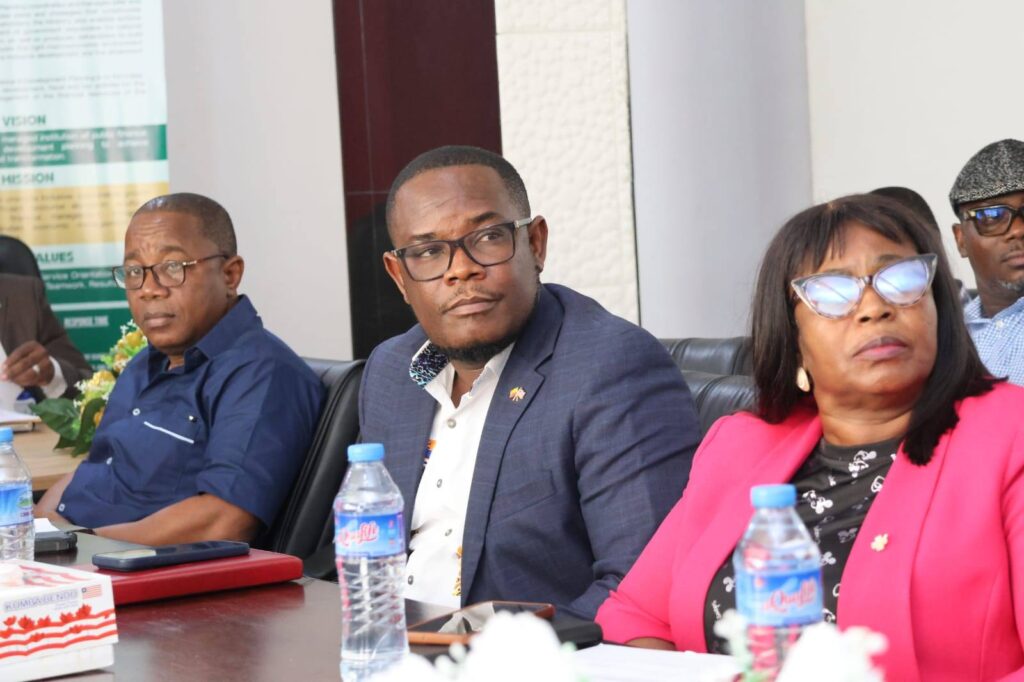
The European Union’s Ambassador to Liberia and Head of Delegation, Nona Deprez, said the program reflects the EU’s Global Gateway Strategy, which prioritizes sustainable resource use, decent job creation, and poverty reduction. She highlighted fisheries as a critical pillar of Liberia’s economy, contributing significantly to nutrition, employment, and household income, particularly in coastal communities.
The initiative will be implemented under a Team Europe approach, with technical support from Expertise France and GIZ, reinforcing cooperation between Liberia, the EU, France, and Germany. The program will also support training institutions, including the University of Liberia and Tubman University, to build skills in fisheries science, processing, and business management.
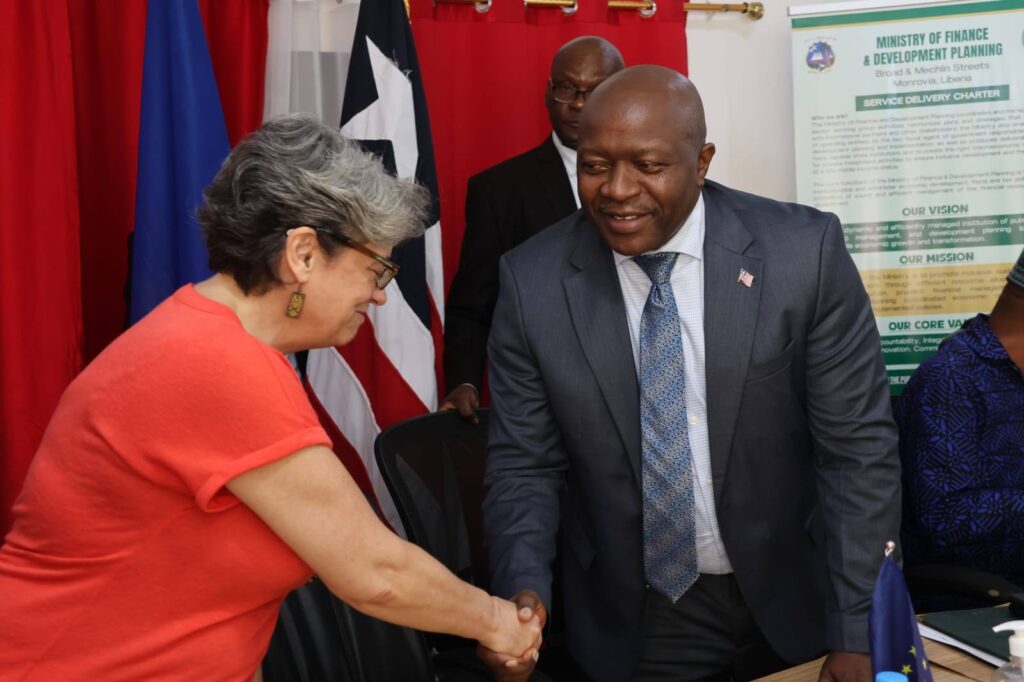
Responding on behalf of the Liberian Government, Finance Minister Augustine Kpehe Ngafuan underscored the importance of the funding being provided as a grant rather than a loan, easing fiscal pressure while directly empowering communities. He said the program addresses “bread-and-butter issues” by reducing post-harvest losses, improving incomes, and enabling fishing families to invest in education and health.
The fisheries agreement builds on a broader portfolio of EU-funded projects in Liberia, including budget support programs, agricultural research collaboration with the Central Agricultural Research Institute (CARI), food safety initiatives with the Liberia Standards Authority, health sector interventions, and private sector development programs. It also aligns with preparations for the upcoming Liberia–EU Business Forum in Brussels and Liberia’s first post-war Fisheries Investment Conference.
Officials on both sides described the agreement as a strong signal of mutual trust and a shared commitment to ensuring that Liberia’s blue economy becomes a driver of sustainable growth, food security, and national development.