Three months after proposing a series of strategies to strengthen the fight against drugs, Captain Jerry K. Kollie, a former soldier of the Armed Forces of Liberia, has recommended new intelligence measures to further tighten the already intensified fight against illicit drugs and controlled substances.
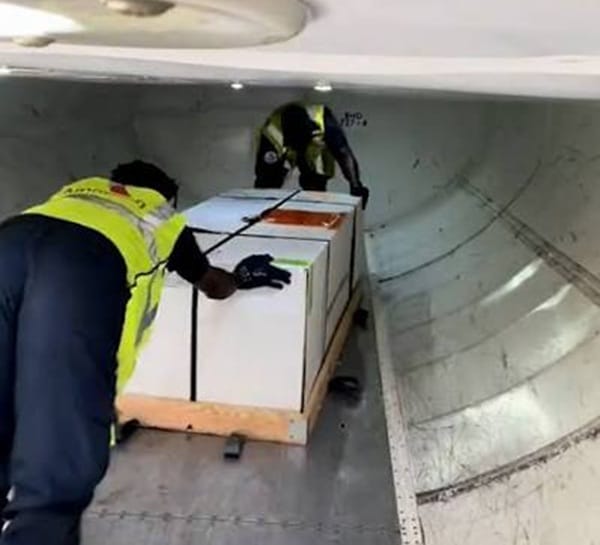
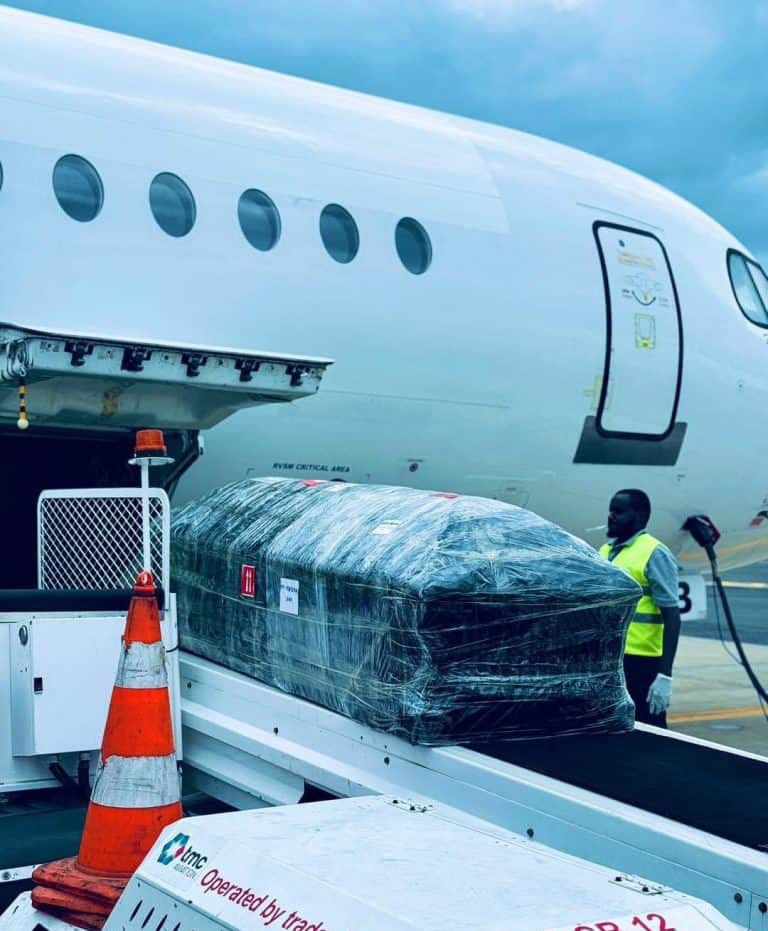
Speaking on Friday, November 14, 2025, in Paynesville, following his regular “Say No to Drugs” meeting with community youths, Captain Kollie urged the government, through relevant security agencies, to adopt effective mechanisms to monitor the movement, preservation, and transportation of corpses (dead bodies) into the country.
Kollie expressed concern that drug cartels could be infiltrating families, hospitals, and funeral homes to exploit a sensitive yet vulnerable avenue of human cargo transportation for smuggling drugs into Liberia. He warned that drug traffickers might use their financial resources and influence to tempt bereaved family members into allowing them to conceal drugs in coffins or with the deceased, facilitating the transportation of illegal substances into the country.
He suggested that if the government faces financial constraints preventing the deployment of intelligence agents abroad to monitor the movement of corpses in foreign hospitals and funeral homes, similar measures could still be implemented at ports of entry, hospitals, and funeral facilities within Liberia.
Additionally, Captain Kollie called on the government, particularly the Legislature, to increase budgetary support for the Navy and Coast Guard of the Armed Forces of Liberia to enhance patrol and monitoring of Liberia’s territorial waters, as maritime transportation remains a significant avenue for drug traffickers.
It can be recalled that on August 10, 2025, shortly after the massive “Say No to Drugs” march, Captain Kollie proposed several suggestions for enhancing the fight against drugs. Among his recommendations was a review of diplomatic immunities and exceptions for senior government officials, as intelligence reports suggest some officials may abuse their immunity at airports and other ports of entry to facilitate drug smuggling.
Kollie also urged the government, through the Foreign Ministry, to collaborate closely with foreign counterparts and diplomatic missions to ensure that diplomats do not misuse their immunity and privileges to import or traffic drugs in Liberia. He emphasized that some foreign diplomats might be abusing their immunity to facilitate drug trafficking.
The ex-AFL Captain further challenged the National Security Agency (NSA), Executive Protective Service (EPS), Liberia Drugs Enforcement Agency (LDEA), and Liberia National Police (LNP) to scrutinize all official motorcades and convoys, including those of the President, Vice President, Speaker, Chief Justice, and other senior officials, as illegal activities could potentially occur within those convoys, perhaps without the knowledge of the escorted VIPs.
He stressed the need to review exceptions for traveling local and international religious leaders, as there are concerns that individuals may hide behind religious symbols to smuggle drugs. Jerry Kollie, a vocal anti-narcotics activist, emphasized the necessity for celebrities in all categories to undergo regular searches at all ports of entry, without preferential treatment, to prevent individuals from exploiting their celebrity status to evade thorough inspections. He also urged families to alert authorities about suspected criminal behaviors of their relatives and friends, warning against shielding those engaged in unlawful acts.