


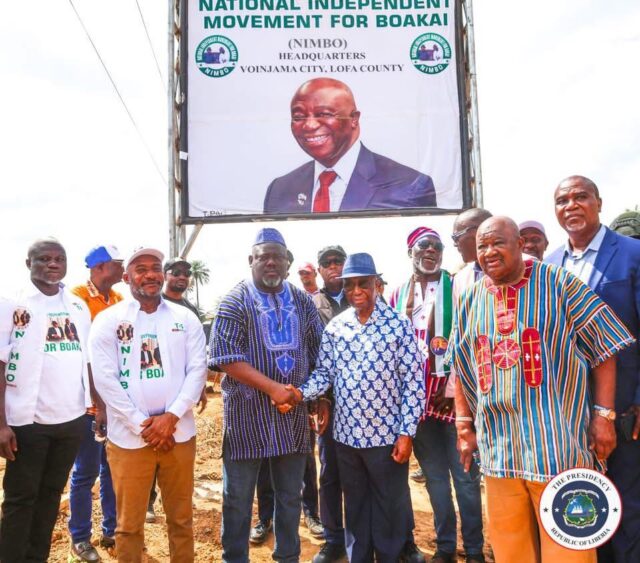
MONROVIA — Deputy Speaker of the House of Representatives Thomas P. Fallah has publicly declared unwavering political support for President Joseph Nyuma Boakai, distancing himself decisively from his former political home, the Coalition for Democratic Change (CDC), and unveiling a new political pressure group aimed at mobilizing non-partisan support for the current administration.
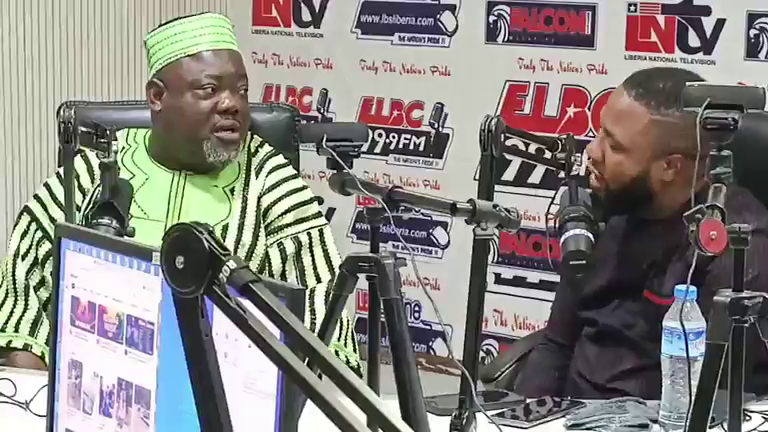
Speaking during his first major radio interview of 2026 on the Liberia Broadcasting System (LBS), simulcast on Prime FM and other stations, Fallah described his break with the CDC as a “blessing in disguise,” arguing that his expulsion in December 2024 freed him from internal party constraints and allowed him to pursue national politics from an independent standpoint.
“I am no longer in party politics,” Fallah said. “From an independent perspective, I support President Boakai and his agenda — one hundred percent.”

NIMU Emerges as New Political Force
Central to Fallah’s declaration was the formal unveiling of the National Independent Movement for Boakai (NIMU), a nationwide political movement designed to rally independent legislators, former party members, and non-aligned citizens behind the President’s development agenda ahead of the 2029 elections.
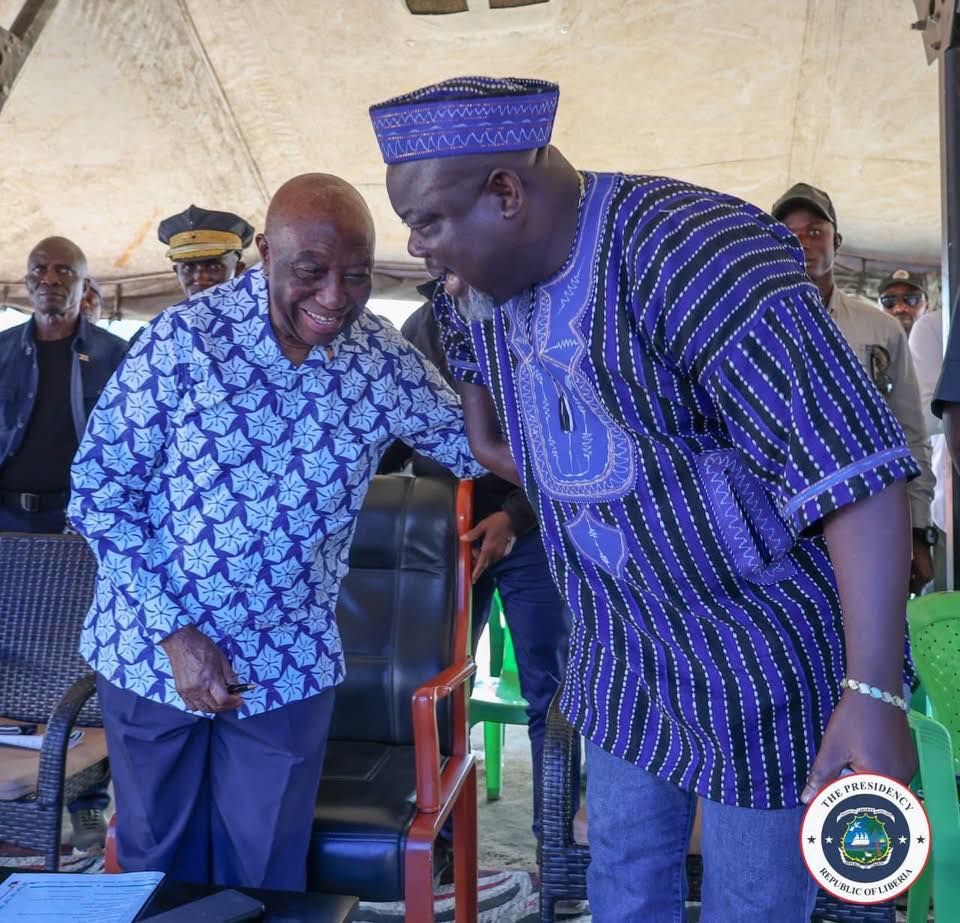
Fallah disclosed that NIMU was first introduced in Lofa County during President Boakai’s recent visit, describing the move as intentional and symbolic.
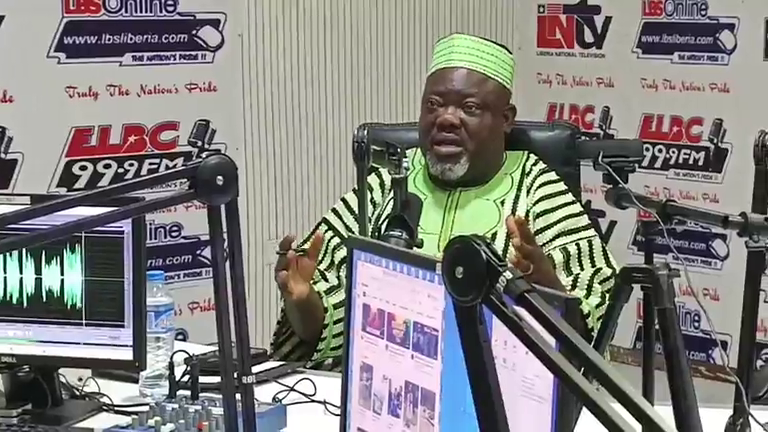
“This is not a political party,” he emphasized. “It is a movement — a platform for independent-minded Liberians who believe in this government and want to contribute to national progress.”
According to Fallah, NIMU will be decentralized, with county-based chapters, grassroots mobilization through churches and communities, and a national coordinating structure. He said a formal communication would be sent to the Unity Party leadership to establish NIMU as a partner movement rather than a rival structure.
Praise for Boakai’s Leadership and Global Standing
Fallah credited President Boakai with restoring Liberia’s international image, particularly highlighting the country’s recent election to the United Nations Security Council.
“When I saw Liberia’s flag raised at the UN, I felt proud as a Liberian,” he said. “That seat gives us a voice in global decisions. It puts Liberia back on the international map.”
He argued that global credibility and national image-building are prerequisites for economic recovery, even as he acknowledged persistent “bread and butter” challenges facing ordinary citizens.
“Development does not happen overnight,” Fallah noted. “You must first rebuild trust, credibility, and leadership.”
CDC Fallout and Due Process Claims
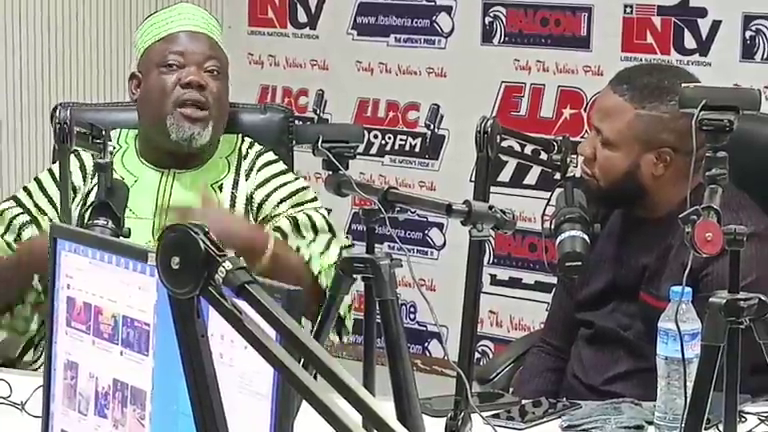
Revisiting his expulsion from the CDC, Fallah insisted the process violated the party’s constitution and lacked due process. He denied claims of ingratitude, stressing that his two-decade association with the CDC included personal sacrifice and political risk.
“I was expelled,” he said flatly. “I did not leave. And no one has shown me the provision of the party constitution that I violated.”
Despite the fallout, Fallah maintained a conciliatory tone toward former President George Manneh Weah, describing him as a statesman and affirming continued personal respect.
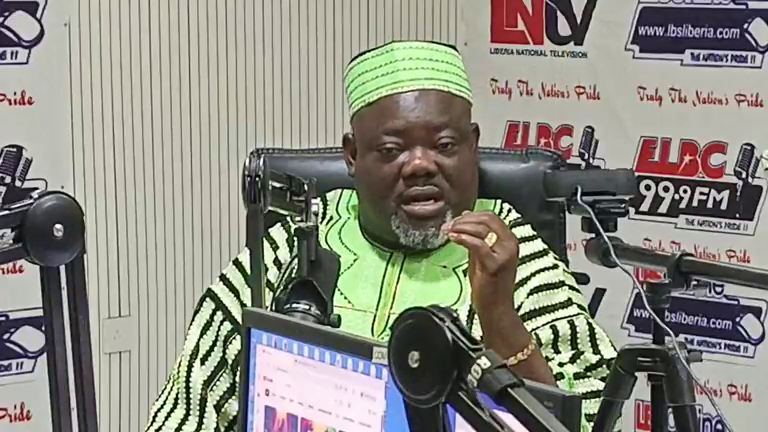
Looking Ahead
Fallah made it clear that his political future is now firmly aligned with President Boakai’s leadership, regardless of party labels.
“Wherever President Boakai points, that is the direction I go,” he said. “My family, my supporters, and my movement are on that path.”
As NIMU prepares to roll out nationwide, Fallah’s repositioning signals a significant realignment in Liberia’s evolving post-CDC political terrain.

Hello there, You’ve done a fantastic job. I will certainly digg it and in my opinion suggest to my friends. I’m confident they’ll be benefited from this website.
Comments are closed.