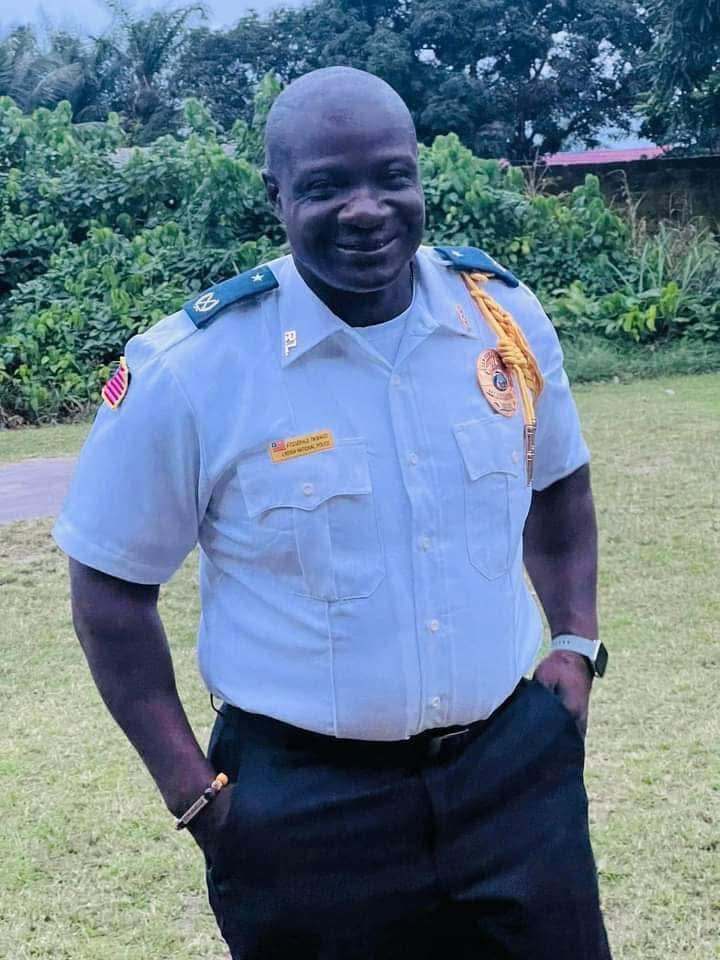
MONROVIA — In the wake of President Joseph N. Boakai’s sweeping shake-up at the Liberia Drug Enforcement Agency (LDEA), Ms. Lisa Tenneh Diasay, President of the Female Journalist Association of Liberia (FEJAL), has joined other voices from within the national security and outside communities, urging the inclusion of grounded, in-house officers on the newly appointed interim management team. Among those being recommended is Officer Precious Rue, a young professional described as dedicated and reform-minded.
The President earlier today, Thursday, August 28, dismissed the LDEA’s top leadership — including Director General Anthony K. Souh and his two deputies — citing administrative reasons. An interim team, composed of security professionals seconded from the Liberia National Police (LNP) and the National Security Agency (NSA), has since been tasked with steering the agency through a critical transition period.
But while the move has been largely praised as bold and necessary, some observers argue that a total reliance on outsiders for interim leadership may pose challenges for institutional memory, continuity, and internal reforms.
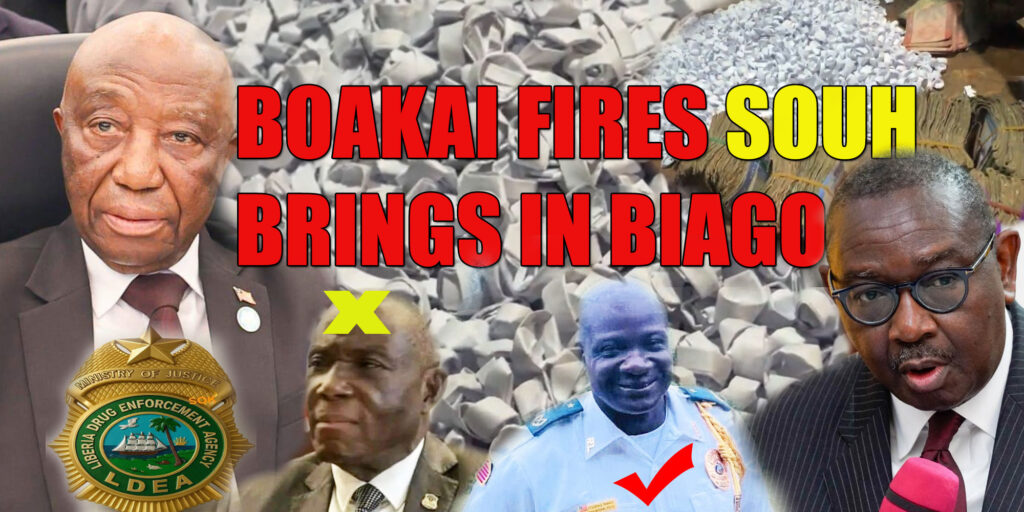
In a public appeal to the President, the proponent of Officer Rue’s inclusion say her appointment would balance external oversight with insider knowledge, ensuring that the LDEA’s internal dynamics and operational realities are not overlooked during the transition.
“While we commend and appreciate the President for the steadfast decision taken to safeguard the system and the government,” Ms. Diasay stated in her appeal; adding: “we implore him to ensure a grounded officer within the LDEA sits on the interim leadership to support smooth transition and ensure adequate information for a system change.”
Officer Rue, according to the FEJAL president, has demonstrated “robust commitment to system reformation and restoration” within the agency, earning the respect of colleagues for her integrity, discipline, and dedication to national service.
A Crisis Agency in Need of Reform
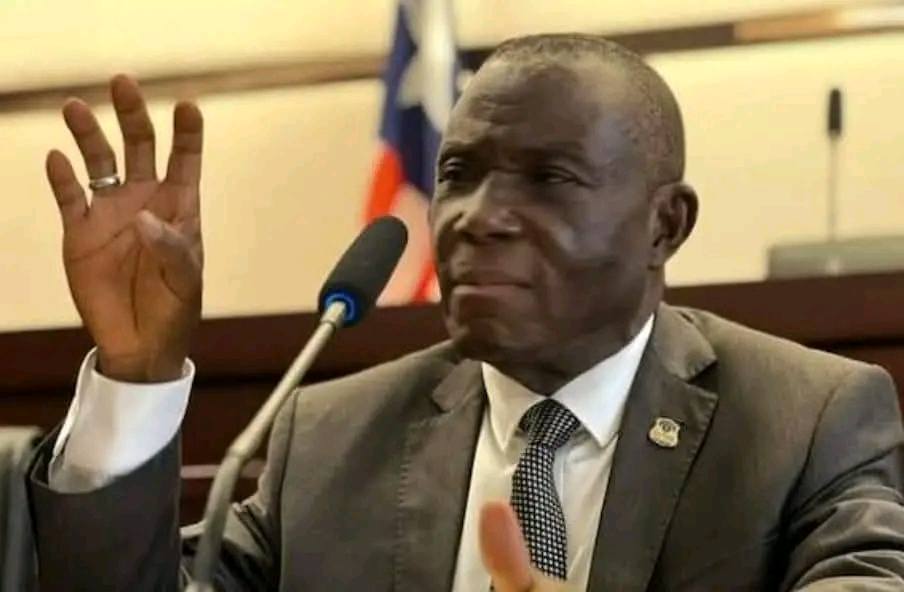
The Liberia Drug Enforcement Agency has long been under scrutiny for underperformance, weak leadership, and internal discord. Over the years, turf wars among agency heads and allegations of corruption have plagued its reputation and severely undermined public trust.
Liberia’s battle against drug trafficking and abuse has intensified in recent years, with the country serving as a growing transit hub for narcotics, particularly from South America en route to other parts of the world, including Europe. The rising abuse of substances like “kush” and tramadol among youth has prompted alarm from civil society, religious leaders, and international partners.
Despite past efforts to reform the LDEA, critics argue that leadership changes have often failed to translate into meaningful operational improvements. President Boakai’s decision to not only remove the agency’s top brass but also order a comprehensive 90-day review marks one of the strongest presidential interventions in recent years.
Balancing Reform with Continuity
Observers say a successful reform of the LDEA will require not just new leadership but also the involvement of experienced internal officers who understand the agency’s deep-rooted challenges. That’s where the push for individuals like Officer Rue comes in.
“She represents a new generation of public servants—principled, courageous, and deeply committed to change from within,” one security analyst noted. “Bringing her into the fold would also send a strong message to other hardworking officers that internal reformers will not be sidelined.”
As the interim management team takes charge and the Ministry of Justice begins its mandated review, the coming weeks will be critical for charting a new course for the LDEA. Whether internal voices like Officer Rue’s are included could help determine whether reform is truly inclusive—or merely cosmetic.