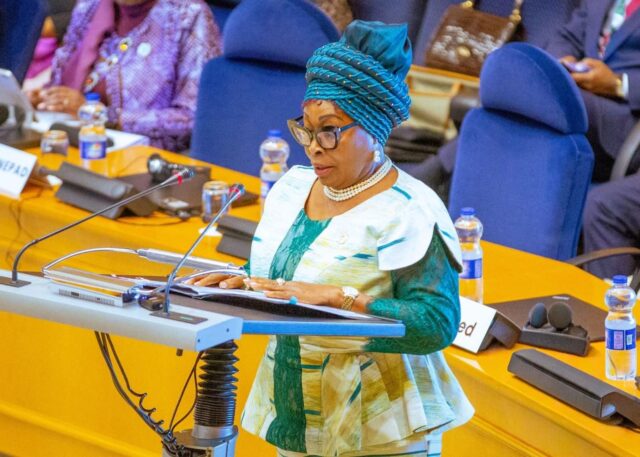
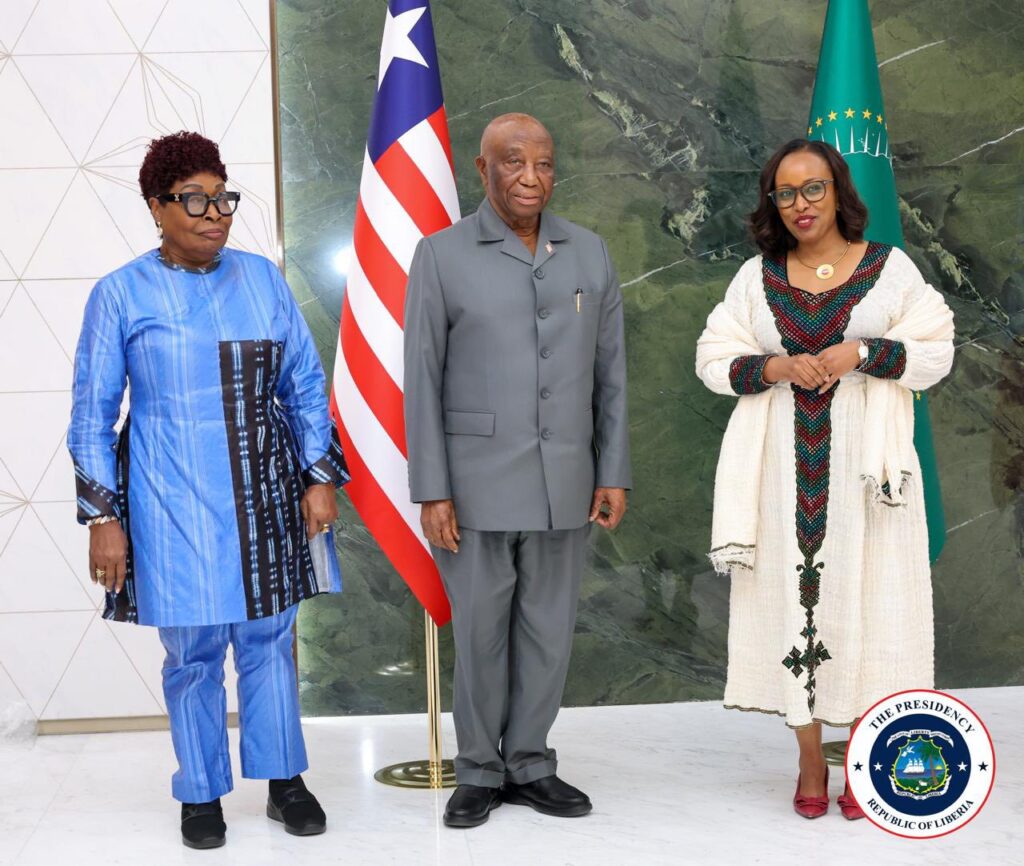
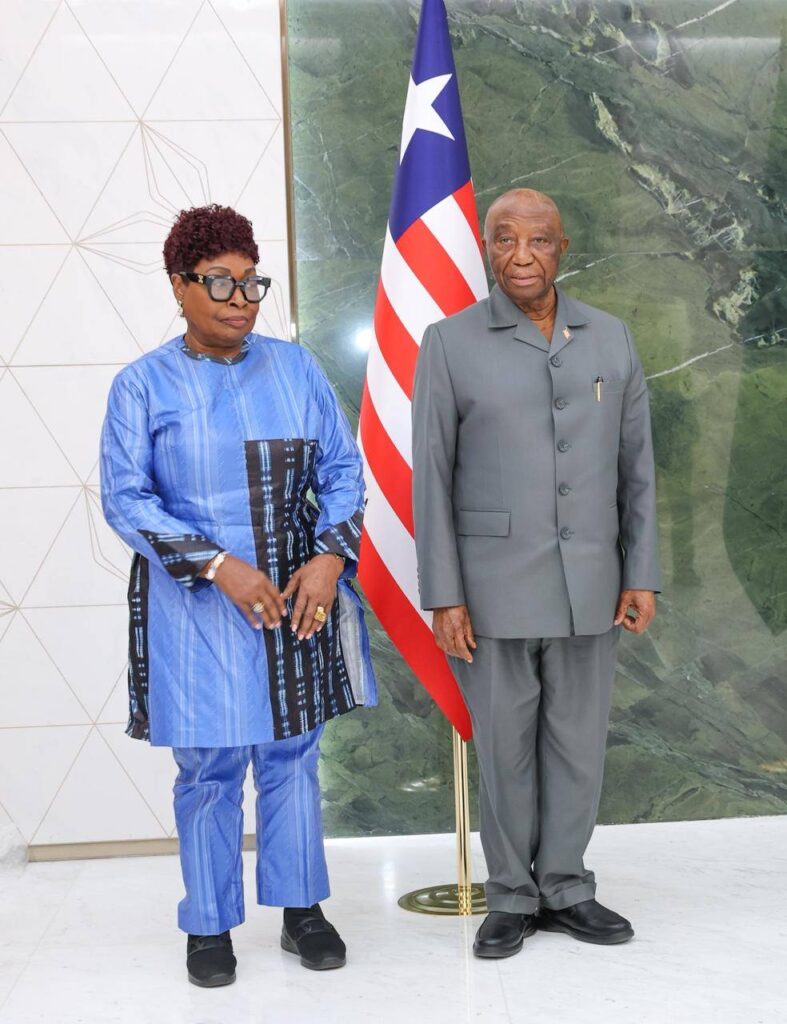
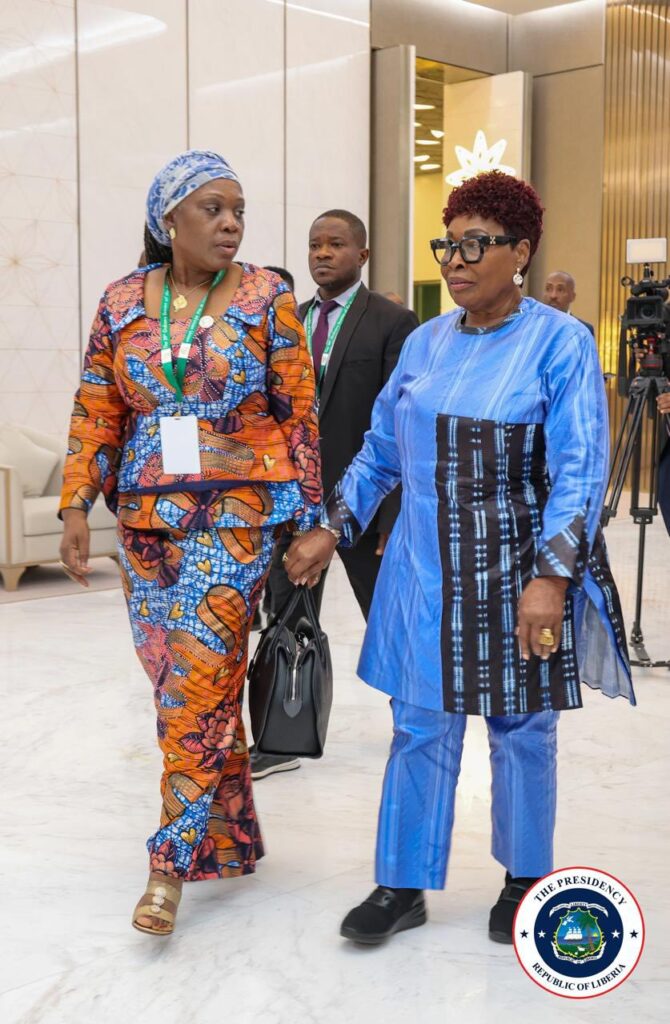
ADDIS ABABA, Ethiopia — Liberia’s First Lady, Her Excellency Kartumu Yarta Boakai, delivered a powerful and deeply reflective address at the 30th General Assembly of the Organization of African First Ladies for Development (OAFLAD), calling for a continent-wide shift from symbolic praise of women’s resilience to concrete policies that institutionalize and fund it.
Speaking under the theme, “Building Resilience for Women and Girls: Climate, Conflict, and Sustainable Futures,” the First Lady situated her remarks within Africa’s historic struggle for sovereignty and its present-day battles against climate shocks, violent conflict, and systemic exclusion.
“There is something sacred about this soil—Addis Ababa,” she declared. “And as a daughter of Liberia, I do not stand here as a guest, but as a sister returning home.”
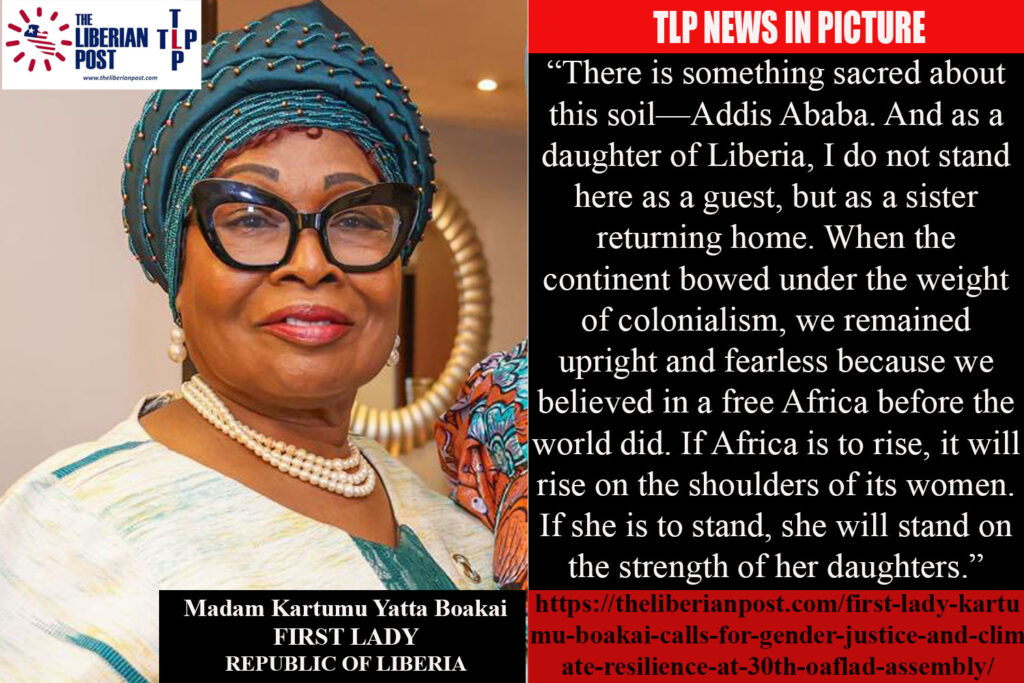
Drawing parallels between Liberia and Ethiopia as two African nations that maintained sovereignty during colonial partition, she said both countries share “more than independence; we share a legacy.”
“When the continent bowed under the weight of colonialism, we remained upright and fearless because we believed in a free Africa before the world did,” she said.
Climate, Conflict and the Burden on Women
The First Lady described the current moment as a “decisive hour” for the continent, noting that climate change, deepening conflicts, and social fragility are no longer distant threats but daily realities.
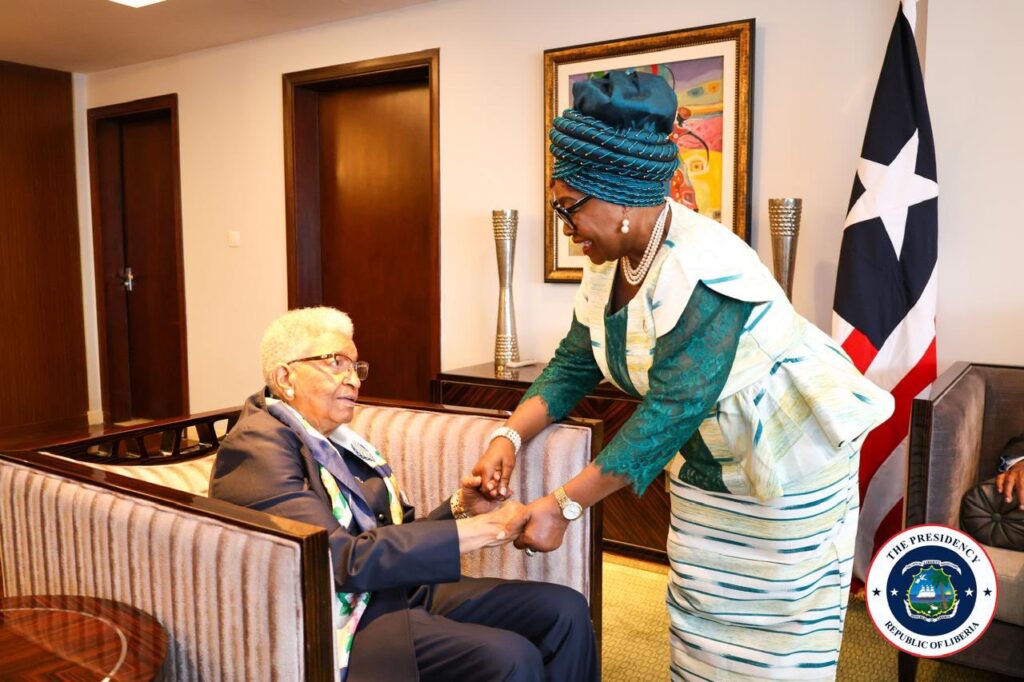
But she emphasized that these crises fall disproportionately on women and girls.
“When the sky refuses to rain, it is the girl who walks farther. When food becomes scarce, it is the mother who eats last. And when violence erupts, it is the woman’s body that bears the memory of war,” she said.
She cautioned that while Africa often celebrates the resilience of its women, resilience must not remain a poetic concept detached from policy action.
“Resilience is not a poetic badge; it is a policy mandate. It must be built, funded, institutionalized, and defended,” she stressed.
“We must stop applauding women for surviving systems that fail them. We must design systems that serve their dignity, protect their dreams, and advance their leadership.”
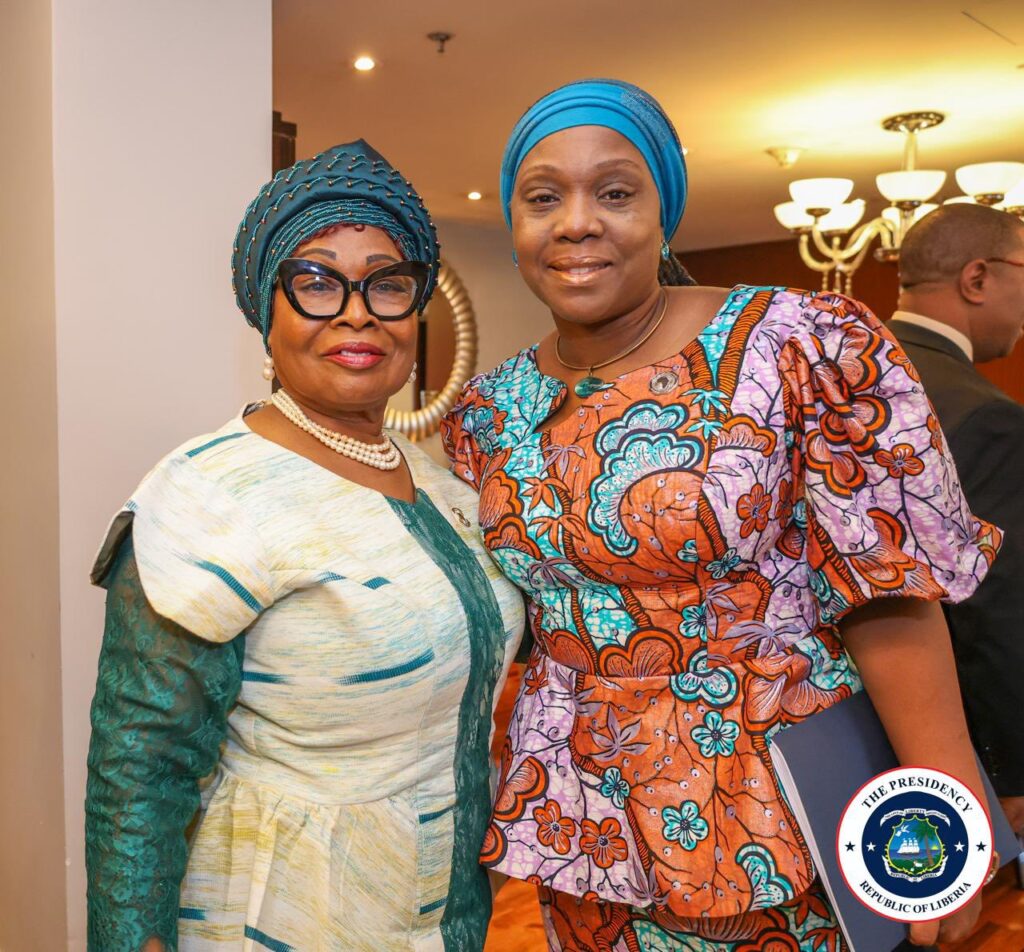
Water as a Measure of Justice
Aligning her message with this year’s African Union theme on Sustainable Water and Sanitation, the First Lady described water access as both a development and gender emergency.
“If resilience is to be our mandate, then water must be our measure,” she said. “Because the true test of justice is not written in laws, but in how far a girl must walk to quench her thirst or preserve her dignity.”
She highlighted the harsh realities faced by women and girls across the continent, including school dropouts due to lack of menstrual hygiene facilities and long, unsafe journeys to fetch water in rural communities.
“I have lived long enough to know that water is not neutral. It is political. It is spiritual,” she said. “And if we fail to guarantee it for women and girls, we are not building a sustainable future—we are tolerating collapse.”
Linking Climate Justice to Gender Justice
The First Lady asserted that meaningful progress on climate and peace efforts cannot occur without the full inclusion of women in decision-making processes.
“There can be no climate justice without gender justice. And there can be no peace settlement without women’s signatures,” she declared.
She called for women’s active participation in conflict negotiations, climate adaptation committees, and national budget planning, emphasizing that inclusion must move beyond rhetoric to responsibility.
“Peace is not the absence of war—it is the presence of justice,” she said.
Liberia’s Commitments
Turning to Liberia’s domestic efforts, the First Lady outlined initiatives undertaken under the leadership of President Joseph Nyuma Boakai Sr., whom she described as sending his “heartfelt greetings” to the Assembly.
“Liberia is forging a new social contract that places women and girls at the center of recovery and development,” she said.
Among the key initiatives she cited were:
- Activation of a High-Level Women Coalition for Maternal and Newborn Health;
- Renovation of rural maternity and neonatal wards across multiple counties;
- Expansion of the Merck “Educating Linda” Program to provide scholarships to vulnerable girls;
- Efforts to address trauma and addiction exacerbated by conflict and climate-related distress.
“Our vision is not to make women strong. They already are,” she stated. “Our vision is to build systems strong enough to be worthy of them.”
From Declarations to Action
In a stirring conclusion, the First Lady urged her fellow African First Ladies to move beyond ceremonial roles and symbolic commitments.
“Let us move from declarations to disruptions. From policy talk to political will. From the celebration of women’s strength to the construction of women’s power,” she said.
She challenged the Assembly to transform resilience into a resourced right rather than a reaction to crisis.
“In this season of drought and displacement, may OAFLAD be the raincloud—carrying provision and not pity,” she said.
“If Africa is to rise, it will rise on the shoulders of its women. If she is to stand, she will stand on the strength of her daughters.”
As the 30th OAFLAD General Assembly convened leaders from across the continent, Liberia’s First Lady positioned women and girls not as passive victims of climate and conflict but as central architects of Africa’s sustainable future.
“Africa’s resilience is not in her resources—it is in her women,” she concluded. “And we, as mothers of nations, will build that resilience until our daughters inherit our victories—not our wounds.”
Follow The Liberian Post on Facebook and X (formerly twitter)