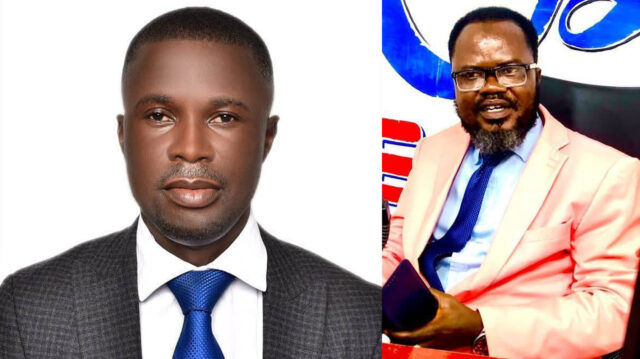
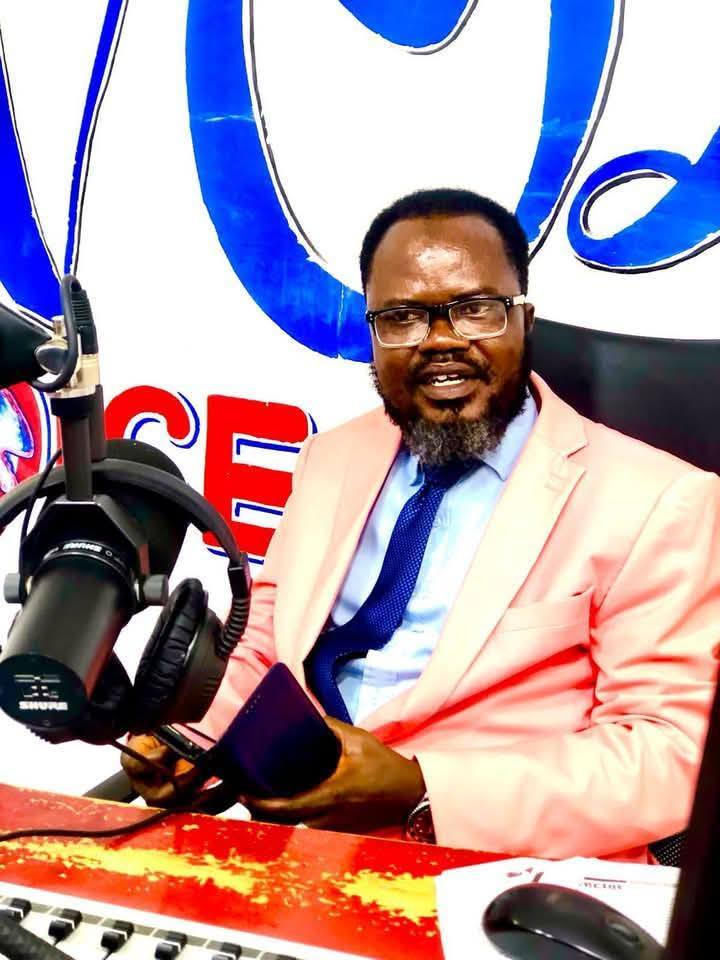
MONROVIA, Liberia – Former Vice President of the Press Union of Liberia (PUL), Jallah Grayfield, is calling on the Unity Party‑led government and the 55th Legislature to formally allocate public funds to the PUL in the national budget, arguing that direct support is now critical to saving a struggling media sector.
Grayfield, a former Deputy Director‑General for Public Affairs at the Liberia Broadcasting System (LBS), says the inclusion of the Union in the budget would help tackle “pressing financial challenges” facing the organization and its members, from training of young journalists to the construction of a permanent PUL headquarters.
“There is a need for the Rescue Government to look in the direction of the media in allocating funds in the national budget that will address critical problems confronting the media,” Grayfield said. “The inclusion of the PUL in the national budget will help address some of the pressing financial challenges facing the Union, ranging from training of young journalists to the building of the Union’s own headquarters.”
“Media in Serious Trouble”
Grayfield warned that Liberia’s media is under severe strain, with many journalists poorly trained, badly paid, and without any welfare support when they fall ill.
“The media in Liberia is going through serious challenges ranging from training to catering for the welfare of illing Liberian journalists, many of whom are on their dying beds,” he noted.
He said economic hardship has pushed increasing numbers of untrained high‑school graduates into newsrooms.
“As we speak there are lots of young people from high school who are daily trooping into the media just to make ends meet with no on‑hand training whatsoever,” Grayfield said. “Many of the ethical problems in the media are as a result of lack of training for these young journalists.”
Multiple media‑sector assessments—including by the PUL and international partners—have highlighted low and irregular salaries, lack of pension systems, and limited training opportunities as key factors undermining media professionalism and independence.
Training and Headquarters: What Budget Support Would Do
Grayfield believes that if the PUL receives a line item in the national budget, the current leadership headed by Julius Kullie Kanubah would be able to:
- Organize regular training workshops for beginner and mid‑level journalists in all 15 counties;
- Bring in media experts from reputable African and international outlets to help improve reporting, editing and ethics;
- Begin a serious push to construct a PUL headquarters, giving the organization a permanent home after decades of renting.
“If the media is considered in the budget, it will enable the leadership of the Union… to organize workshops for beginner journalists in the fifteen counties of Liberia and bring into the country media experts… to help improve the skills of middle level journalists,” he said.
“Budget Support Is Not Censorship”
Anticipating criticism that state funding could compromise editorial independence, Grayfield insisted that placing the PUL in the budget would not amount to censorship.
“Let’s not make mistake—the inclusion of the Press Union in our country’s budget will in no way censor the media as being perceived by some in the public,” he argued. “The PUL itself cannot determine what a journalist writes in the newspaper or broadcasts on the radio.
Media practitioners are also taxpayers and they should equally benefit from their tax dollars through their umbrella organization, PUL.”
He likened the idea to government support for other professional and regulatory bodies whose members also pay taxes.
A Long‑Standing Demand
Grayfield recalled that this is not his first time making such an appeal.
“It can be recalled that in 2013, at the celebration of the Press Union of Liberia anniversary in Gbarpolu County, I then, as Vice President of the Press Union, made a similar call to the government of Madam Ellen Johnson‑Sirleaf for the inclusion of the Union in the 2014/2015 budget,” he said.
That earlier request did not materialize. More than a decade later, the former PUL vice president is renewing the call, this time amid a significantly larger national budget.
Praises Boakai–Ngafuan for US$1.2 Billion Budget
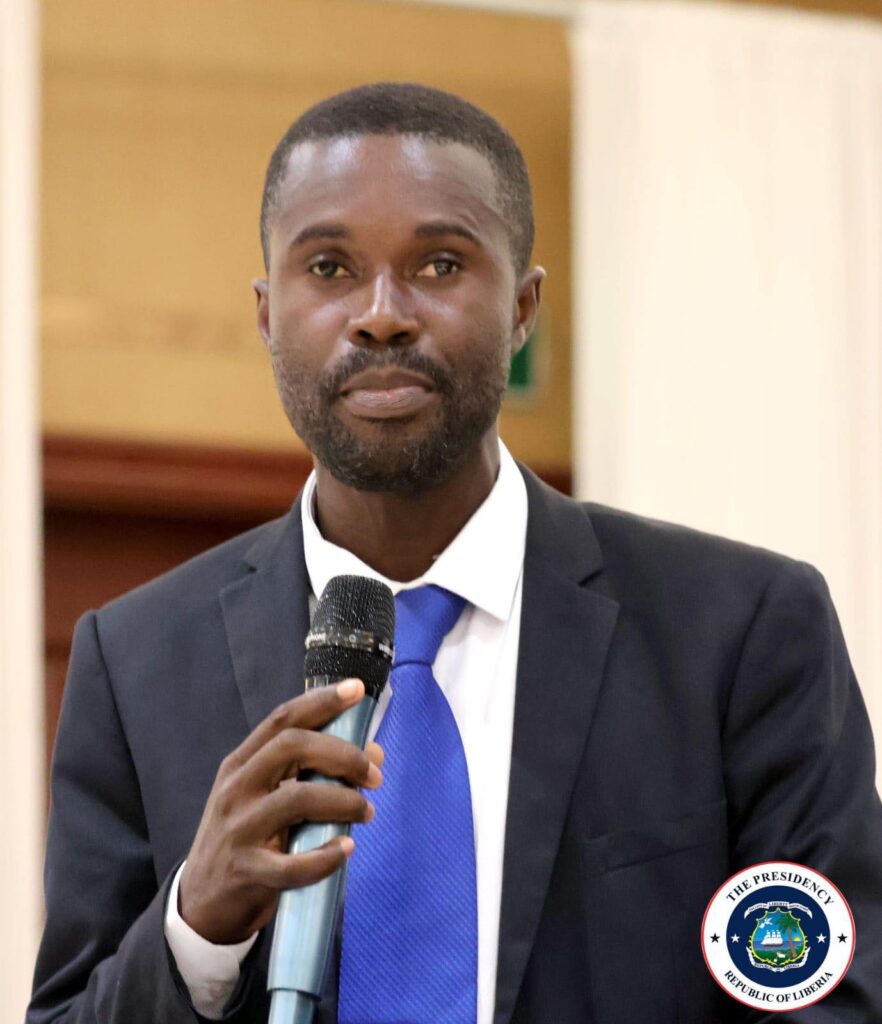
Grayfield praised the current administration for what he described as a “big jump” in the national budget to US$1.2 billion, crediting Finance and Development Planning Minister Augustine Kpehe Ngafuan for his “far‑sightedness.”
“I want to laud the Liberian government for what I call a big jump in the national budget to US$1.2 billion in post‑war Liberia through the farsightedness of Finance Minister Augustine Kpehe Ngafuan,” he said.
He argued that in a budget of that size, there is room to carve out a “significant portion” for media development.
“Now that the budget is before the Legislature, we plead with Speaker Richard Nagbe Koon and Senate President Pro‑Tempore Nyonblee Karnga‑Lawrence to ensure a significant portion of money is allocated to the media through the PUL,” Grayfield appealed.
Context: Press Freedom Gains, Economic Pressures
Liberia has taken important legal steps on press freedom in recent years, including the 2019 Kamara Abdullah Kamara (KAK) Act, which decriminalized defamation, sedition and criminal malevolence, and its earlier endorsement of the Table Mountain Declaration.
However, these gains have not been matched by economic security for journalists. Many outlets operate on thin margins, rely heavily on politicians and advertisers, and struggle to pay staff regularly. This economic vulnerability, media reform advocates say, is one of the biggest threats to editorial independence and professional standards.
The PUL itself has periodically lobbied for stronger state support for media development, including funding for training and institutional strengthening, while insisting that any subsidy must be transparent, non‑partisan, and not tied to content control.
Grayfield’s renewed call adds to that push, coming at a moment when the Boakai administration and the Legislature are under pressure to demonstrate that the record‑high budget will translate into concrete investments in democratic institutions and accountability, not just salaries and overheads.
Whether lawmakers will entertain a formal PUL line item—and how such a mechanism would be structured to avoid political capture—remains to be seen. But for Jallah Grayfield and many in the media, the message is clear: In a US$1.2 billion budget, a modest, well‑designed investment in the Press Union could pay large dividends in the quality of Liberia’s democracy.