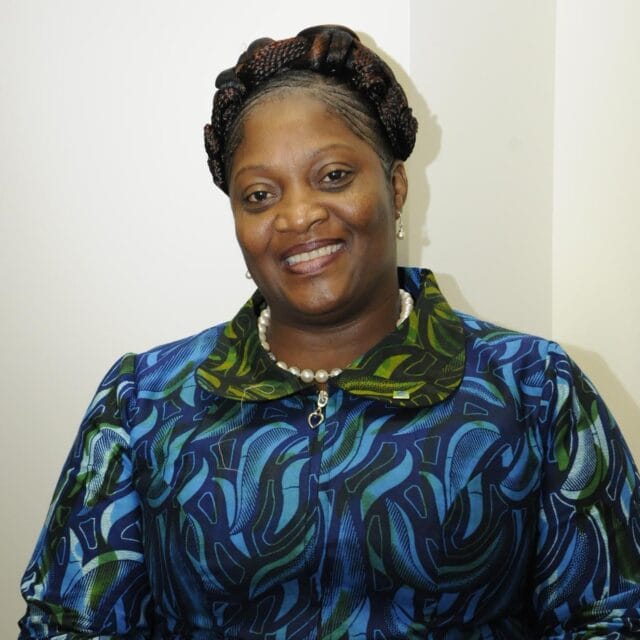
MONROVIA – Former Vice President, Chief Dr. Cllr. Jewel Howard-Taylor, has publicly endorsed the government’s recent decision to ban shisha in the country. In a Facebook comment, she expressed her support for the initiative, labeling it “welcoming news” and raising awareness about the misconceptions surrounding the perceived harmlessness of shisha.
Shisha, also known as hookah, is a flavored tobacco product that is smoked through a water pipe. The tobacco, which contains sweeteners, flavors, and usually molasses, is heated by charcoal. Smoke from the shisha then passes through water and a hose before being inhaled by the user. Despite the filtering effect of water and pleasant fruity scents, shisha contains harmful toxins, nicotine, carbon monoxide, and tar, making it just as dangerous as cigarette smoking and increasing the risk of heart and circulatory diseases.
Reflecting on the generational differences in attitudes towards drug use, Vice-President Howard-Taylor remarked, “In our generation we didn’t have this issue of drugs abuse. I am not sure what’s happening in the current generation, but may God help us.”

Madam Taylor emphasized the importance of addressing drug abuse, particularly among the youth. She urged young people, “If you are wise don’t START DRUGS!” highlighting the risks associated with curiosity and experimentation that can lead to addiction.
She believes that effective prevention strategies, combined with governmental enforcement and strong family values, are crucial in guiding the youth away from substance abuse.
Her commitment to addressing drug issues was further evidenced by her participation in a rally organized by the “Say No to Drugs” campaign in Monrovia, where she mobilized communities to stand against drug abuse.
Throughout her career, she has been vocal against drug importation and has called for strong action against those who engage in such practices.
In addition to her endorsement of the shisha ban, Madam Taylor urged the government to implement robust enforcement measures to ensure compliance with drug laws. She proposed the formation of a dedicated monitoring team tasked with enforcing these regulations to deter drug importers and protect future generations from the dangers of substance abuse.
Conversely, Former House Speaker J. Fonati Koffa cautioned against potential pitfalls of the proposed shisha ban.
He acknowledged the good intentions behind the policy but warned that outright prohibition could lead to a black market, similar to what occurred during the ‘Prohibition era’ in the United States.
Koffa advocated for a more strategic approach, suggesting that efforts should focus on targeting major importers and kingpins rather than penalizing ordinary users.

In a related development, the Technical Working Group of the Multisectoral Committee on Drug and Substance Abuse, led by the Ministry of Health, announced strict access restrictions to the Liberia Refugee Repatriation and Resettlement Commission (LRRRC) Center in Johnsonville.
This facility is currently serving as a temporary shelter for individuals with substance use disorders (SUDs) who are receiving crucial medical and psychological support.
The announcement emphasized the importance of respecting the privacy and dignity of those receiving treatment, with strict consequences for any breaches of access policy.
The convergence of these developments underscores a broader commitment within Liberia to combat substance abuse and protect the health and wellbeing of its citizens, particularly the youth.
The actions of both Madam Taylor and advocacy groups signal a unified front in addressing one of the pressing social issues facing the nation today.