-Liberia Confirms Shipment of 285 Earth-Moving Machines Amid Public Scrutiny Over Past Equipment Scandals
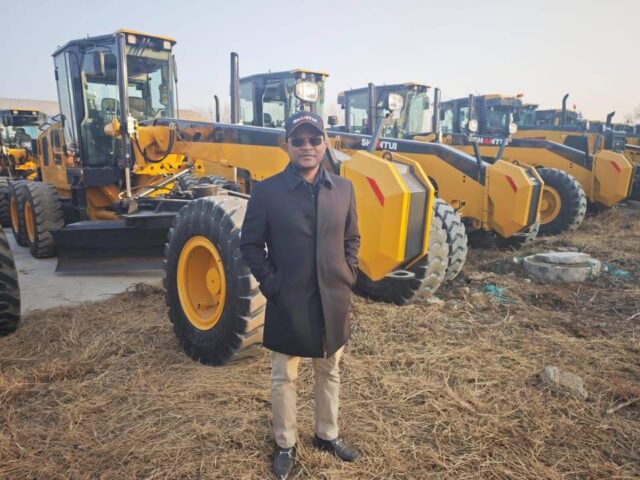
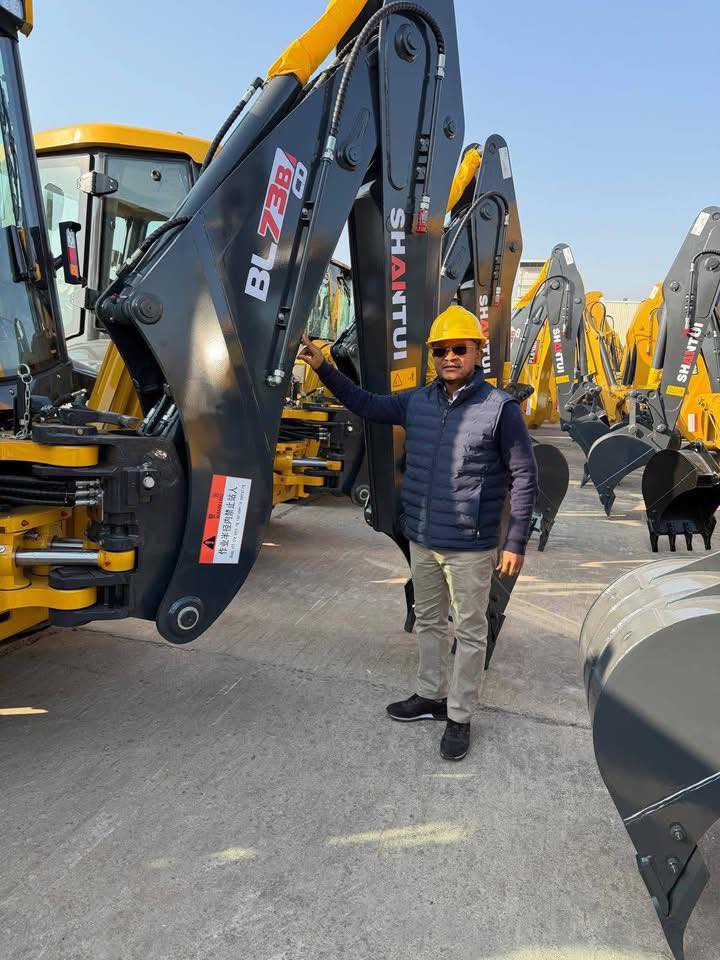
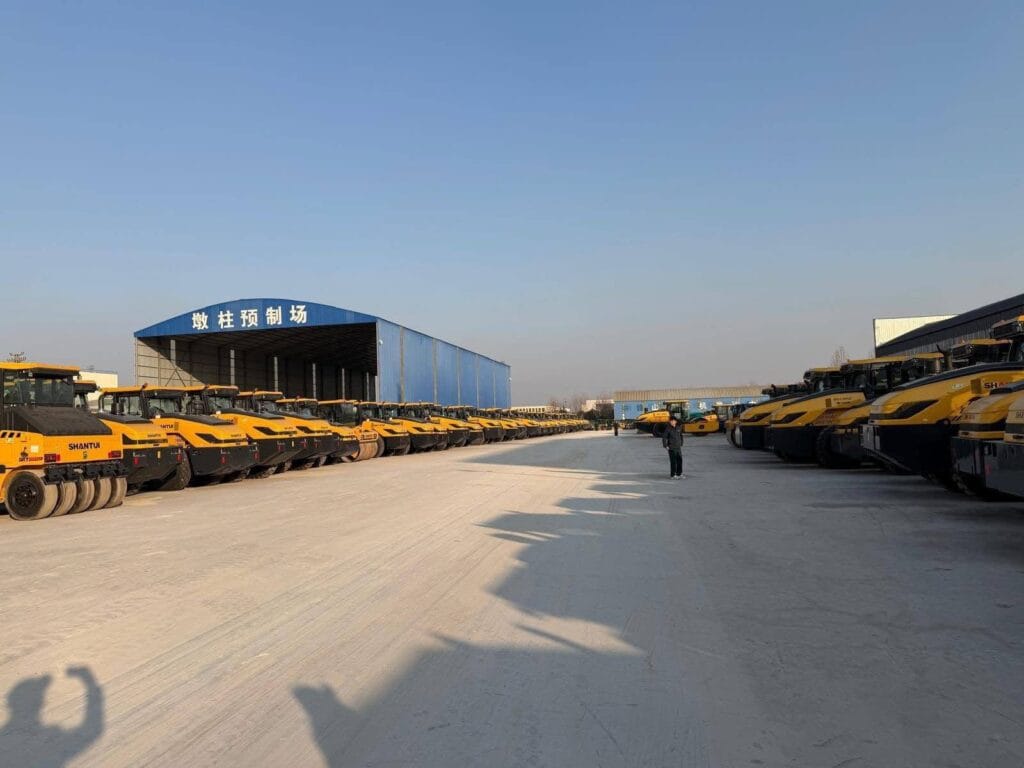
LIANYUNGANG, China — Liberia’s long-awaited fleet of 285 earth-moving and road maintenance machines is now physically assembled at Chinese ports and ready for shipment, the Government has confirmed, following an on-site pre-shipment inspection by senior officials of the Ministry of Public Works.
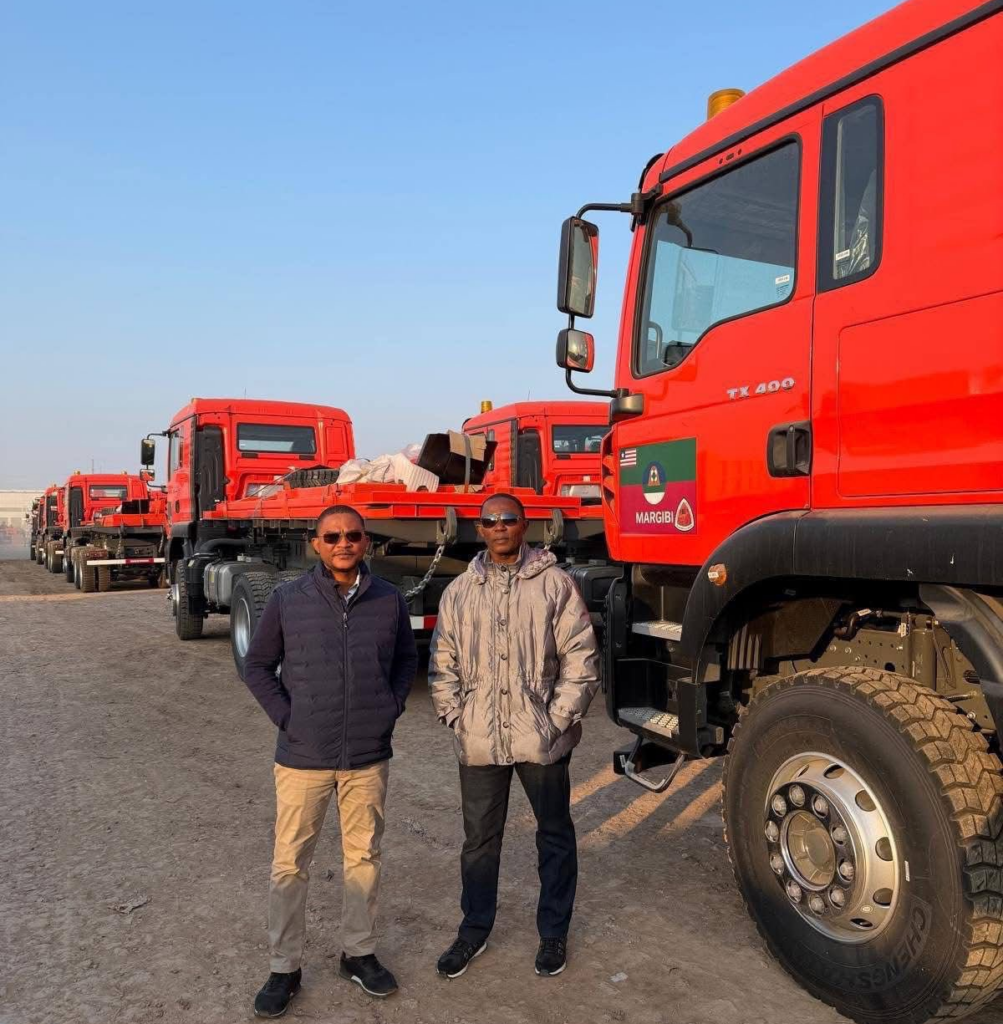
The confirmation was delivered Thursday, January 8th, from Lianyungang Port in eastern China, where Deputy Minister for Technical Services Prince Tamba led a hands-on inspection of the equipment, accompanied by the Works’ logistics specialist, as part of government efforts to reassure the public amid lingering skepticism over past road-equipment controversies.
According to the Ministry, the equipment—already customized and branded by county—will be loaded onto cargo and container vessels beginning January 9, 2026, with an expected arrival in Liberia within 45 to 50 days.
Inside the Shipment: What Liberia Is Receiving
The shipment includes a nationwide allocation of heavy-duty machinery designed to strengthen road construction and maintenance across all 15 counties. According to Deputy Minister Tamba, the inventory includes:
- 19 excavators
- 19 bulldozers
- 19 fuel tankers (6,000 gallons each)
- 19 water tankers (5,000 gallons each)
- 19 fully equipped service trucks
- Low-bed trucks, pickups, dump trucks
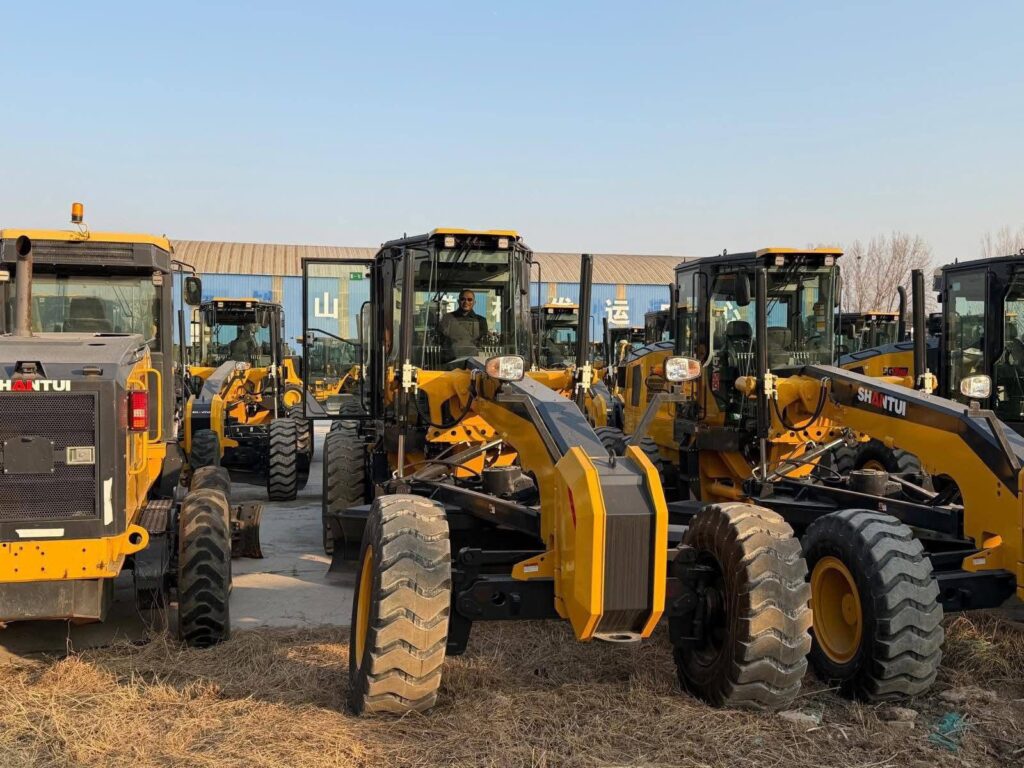
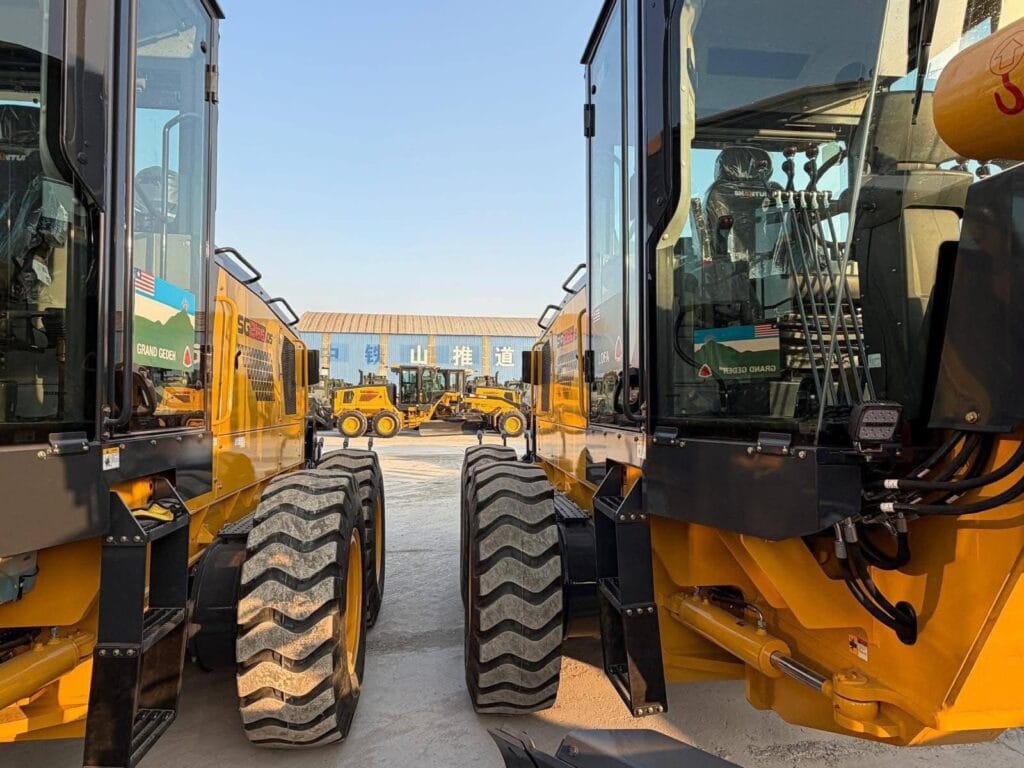
- Containerized equipment including graders, loaders, compactors, backhoes, generators, water pumps, and jackhammers
Each county has been assigned equipment, with branding and identification already completed at the port, officials said.
“We can confirm to His Excellency the President, the Vice President, and Minister Giddings that all of the equipment is here, inspected, customized by county, and ready for shipment,” Tamba said from the port.
Service Trucks and Sustainability Focus
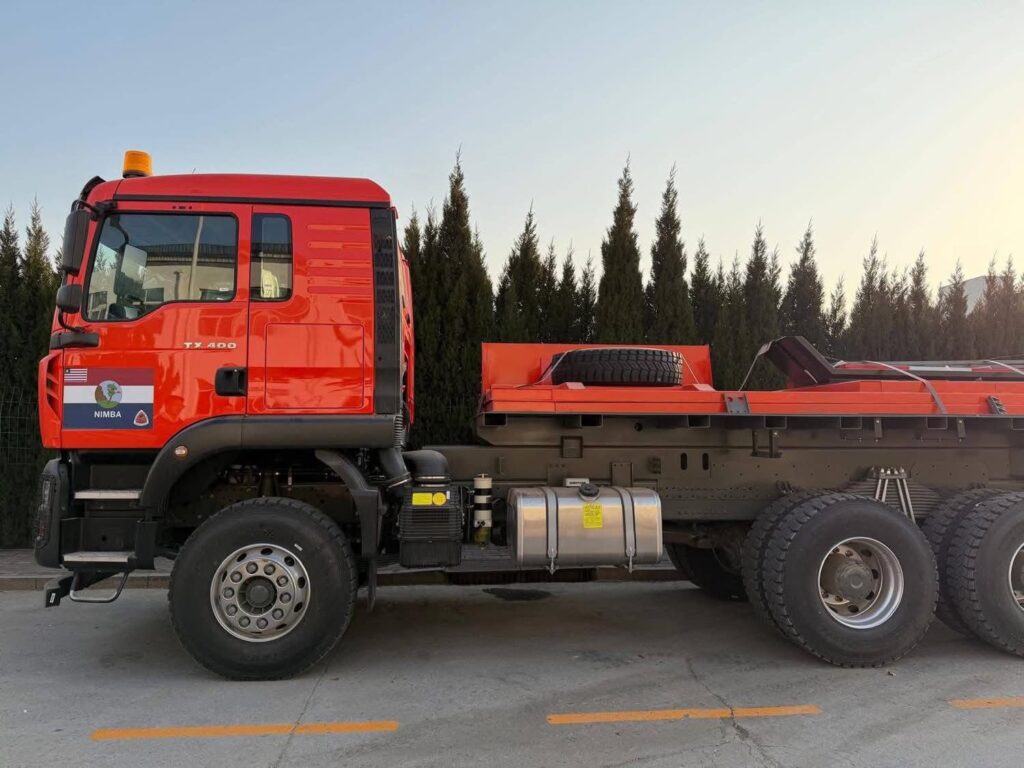
A major feature of the shipment is the inclusion of service trucks, each stocked with mechanical tools, welding machines, tire equipment, grease systems, and onboard generators—an addition government officials say addresses a historic weakness in Liberia’s road equipment program: maintenance failure.
“These trucks are mobile workshops,” explained Joseph Dixon, Director of the Ministry’s Mobile Equipment Unit. “They allow counties to service and repair equipment in the field instead of abandoning broken machines.”
Officials emphasized that the service trucks are critical to preventing the fate that befell previous equipment acquisitions, many of which deteriorated due to lack of spare parts and technical support.
Shipping Plan: Cargo and Containers
The Ministry disclosed that the equipment will be shipped in two phases:
- Cargo Ship – transporting exposed heavy equipment such as bulldozers, excavators, water and fuel trucks, low beds, and pickups.
- Container Shipments – carrying graders, loaders, compactors, backhoes, generators, and other sensitive machinery.
Officials confirmed that all equipment has passed pre-shipment inspection, a step intended to prevent disputes over condition and completeness upon arrival in Liberia.
A History That Demands Caution
The excitement surrounding the shipment is tempered by public memory of past controversies, where road equipment procured at great cost either:
- Arrived incomplete or unserviceable,
- Was allegedly diverted from intended counties,
- Fell into disrepair due to lack of fuel, spare parts, or trained operators,
- Or disappeared entirely from public view.
Critics have previously accused officials of politicizing equipment distribution and failing to establish clear accountability for usage and maintenance.
It is against this backdrop that Deputy Minister Tamba repeatedly stressed transparency, documentation, and verification during his port briefings.
“We are not just buying equipment. We are setting up systems—after-sales service, maintenance teams, and accountability,” he said.
Government Assurances and What Comes Next
The Ministry says a national deployment framework will be announced upon arrival of the equipment, including:
- County-level custodial arrangements
- Operator training programs
- Maintenance schedules
- Central monitoring by the Ministry of Public Works
Officials also indicated that after-sales support agreements with manufacturers such as Shantui and Sinotruk are part of the procurement package, a point often missing in earlier acquisitions.
Public Expectations Rising
As the cargo ships prepare to depart Chinese ports, expectations are rising among Liberians—particularly in rural counties where road conditions have long constrained access to markets, schools, and health facilities.
For many, the true test will not be the arrival of the equipment, but whether it remains functional, equitably deployed, and professionally managed.
As one senior official remarked privately: “Liberians have seen equipment come before. This time, they are watching what happens after.”