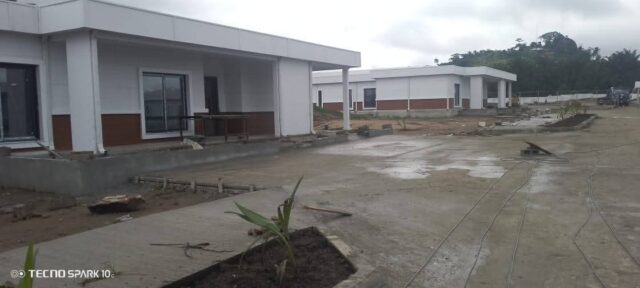
MONROVIA, Liberia – Nearly a month after NAYMOTE Partners for Democracy’s Executive Director Eddie D. Jarwolo exposed what he described as a US$10 million “Presidential Villa” deep in the forests of Foya, Lofa County, Liberians are still waiting for answers regarding its ownership and funding. Despite intense public scrutiny, the Boakai administration has remained largely silent on the matter.
In a recent press briefing, Presidential Press Secretary Atty. Kula Nyei Fofana said the government could not provide specific details about the project’s financing, scope, or authorization. She stated that more information would be forthcoming in a future briefing. “As to the presidential project, whether or not it should be called a ‘presidential project,’ I’ll provide more updates in our next briefing,” Fofana said.
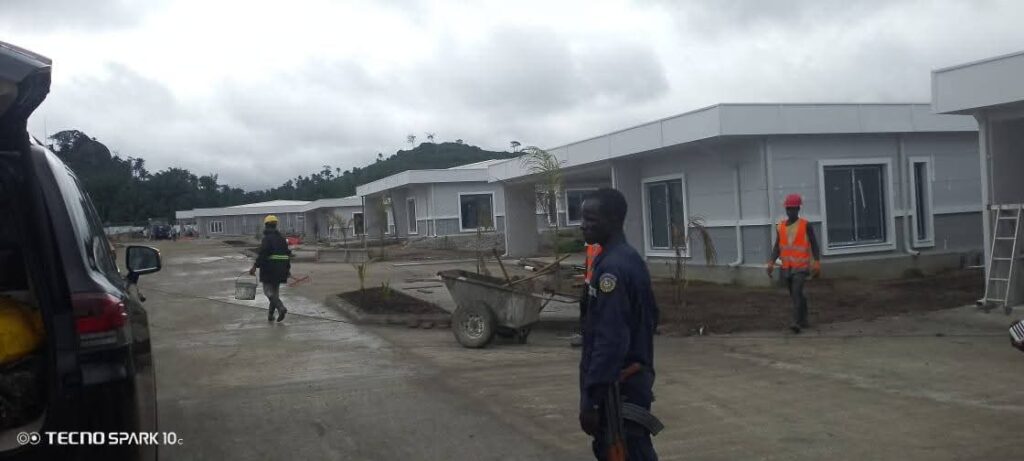
She emphasized that President Boakai has no personal involvement in any private construction, noting, “The President has not built anything for himself, nor has he indicated any such intention to us. The only personal homes he owns are his existing house at Rehab and another in Bomi County.”
Contradictions from various government officials have only fueled public speculation. Deputy Information Minister Daniel Sando initially claimed that the project was funded by the Mano River Union (MRU), a claim the MRU later denied. Local authorities in Lofa County reportedly remain unaware of the project, adding to the confusion over its purpose and funding.
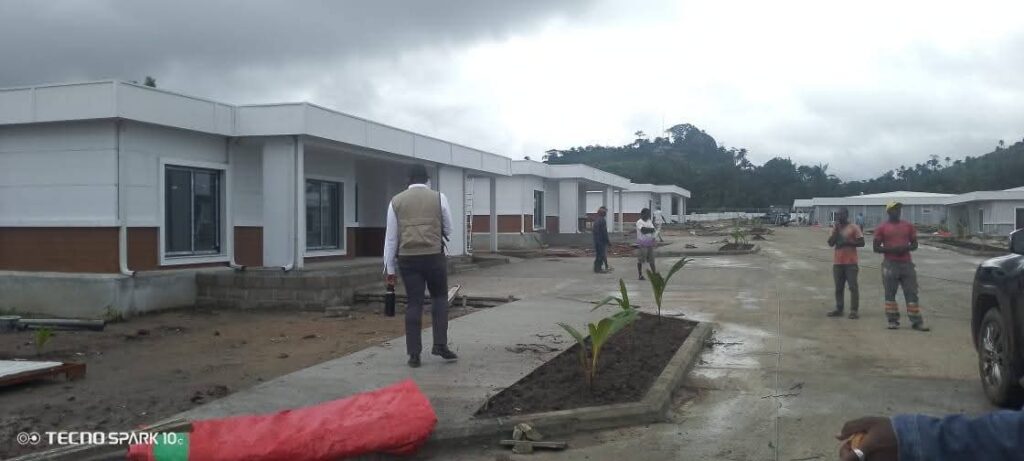
Eddie Jarwolo, in social media posts, criticized the initiative, stating, “A factory that would create jobs and economic benefits for Lofa County could be built for US$10 million. What rationale exists for spending that amount on a villa when people lack basic services?”
Observers warn that the Boakai administration faces a growing credibility challenge if it continues to withhold information. Similar controversies in the past, including private construction projects under former President George Weah, have sparked public outrage, demonstrating the political risks of perceived opacity.
Analysts argue that transparency on the Foya project is critical, not only for public trust but also for reinforcing Liberia’s commitment to accountable governance.