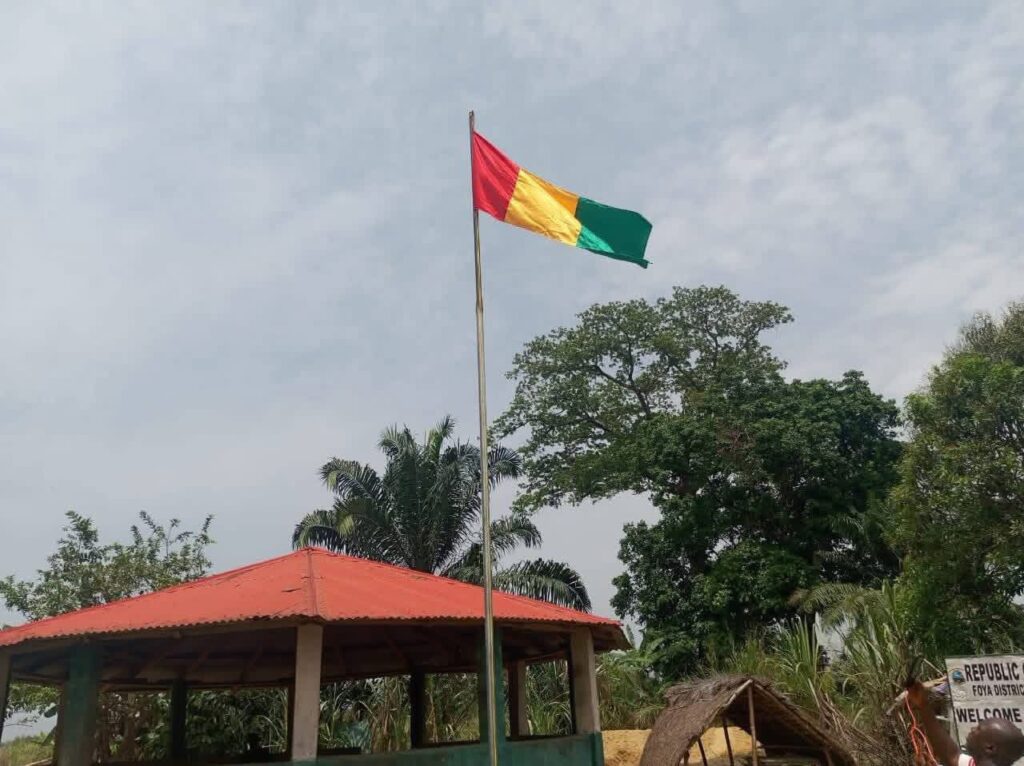
SORLUMBA, FOYA, Liberia — Tensions are running high along Liberia’s northern frontier after armed soldiers from neighboring Guinea reportedly crossed into Liberian territory in Sorlumba Clan, Foya District, Lofa County, removed the Liberian flag, and hoisted the Guinean flag at a key border point.
The incident, which occurred at the official crossing point used by residents and traders moving between Liberia and Guinea, has triggered alarm among local communities and prompted urgent diplomatic engagement by the Liberian government.
According to eyewitness accounts from the area, heavily armed Guinean military personnel entered Liberian territory near the Sorlumba port of entry and raised their national flag, an action widely viewed by residents as a violation of Liberia’s territorial sovereignty.
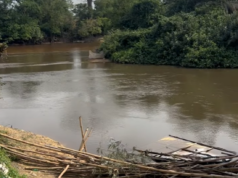
The situation escalated further when Edward Lebbie, 44, a Liberian civilian and an aide to Sorlumba Commissioner, was reportedly shot in the leg by a Guinean soldier believed to have been positioned on the Guinean side of a river that forms the natural boundary between the two countries. Lebbie was later transported to the Tellewonyan Hospital in Voinjama, the capital of Lofa County, where he is receiving medical treatment. Authorities say his injuries are not considered life-threatening.
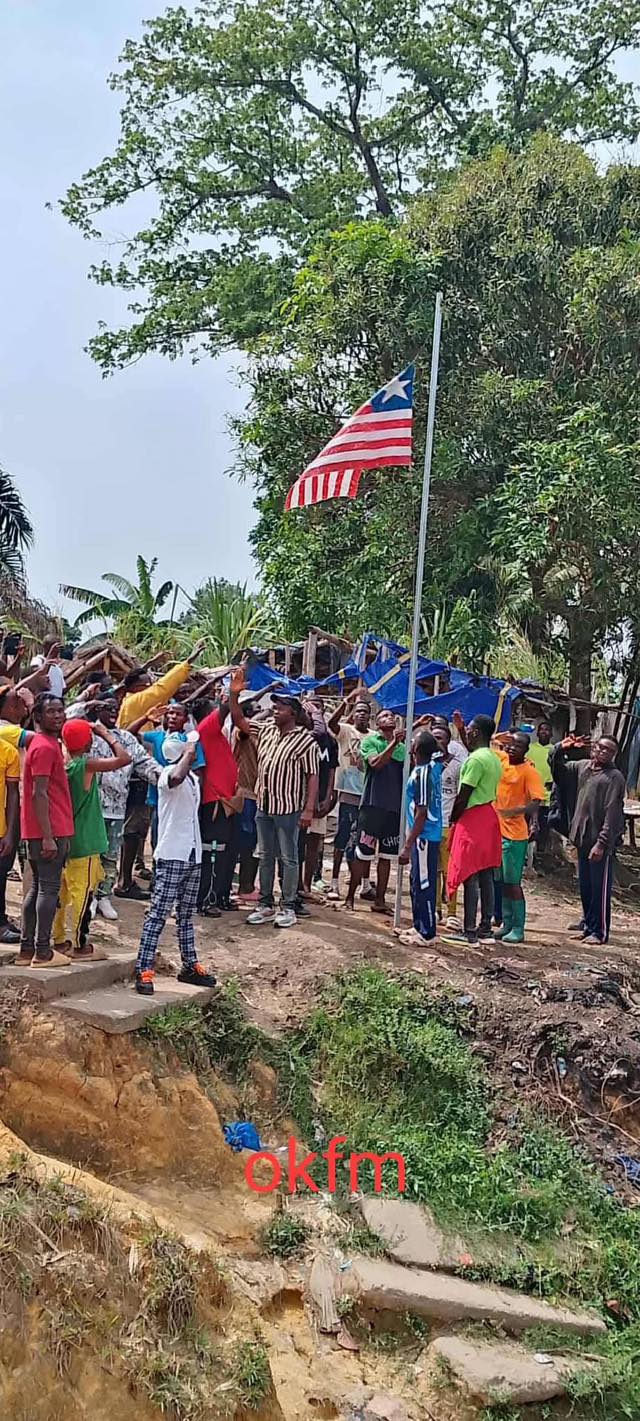
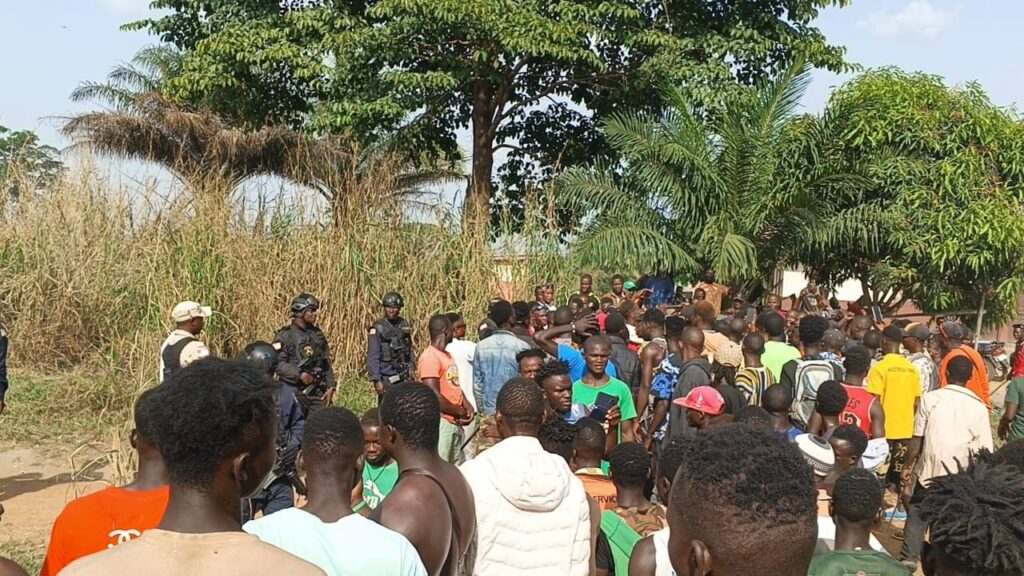
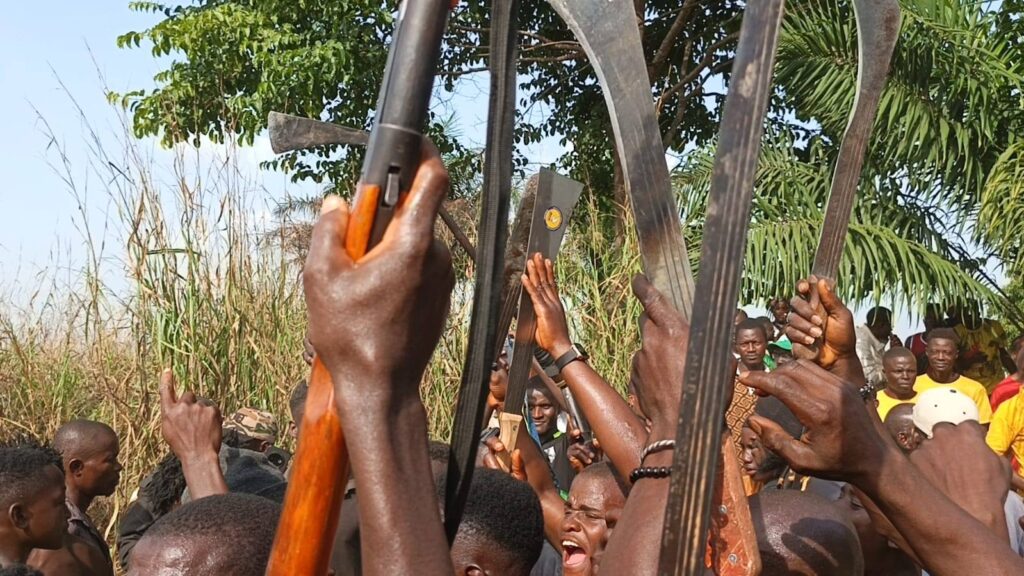
In a dramatic response, dozens of young Liberian men from Foya City and surrounding communities reportedly rushed to the border area, removed the Guinean flag, and reinstalled Liberia’s red, white, and blue flag. Witnesses said the youths sang the Liberian national anthem as they hoisted the flag, a moment many described as a display of patriotism and defiance.
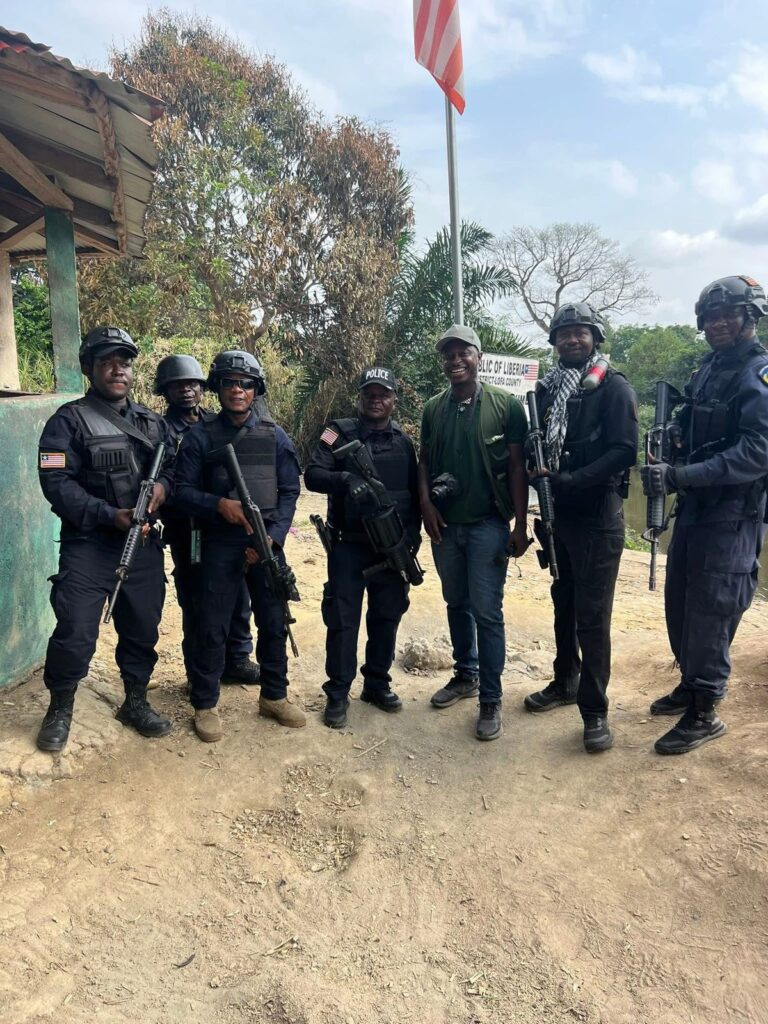
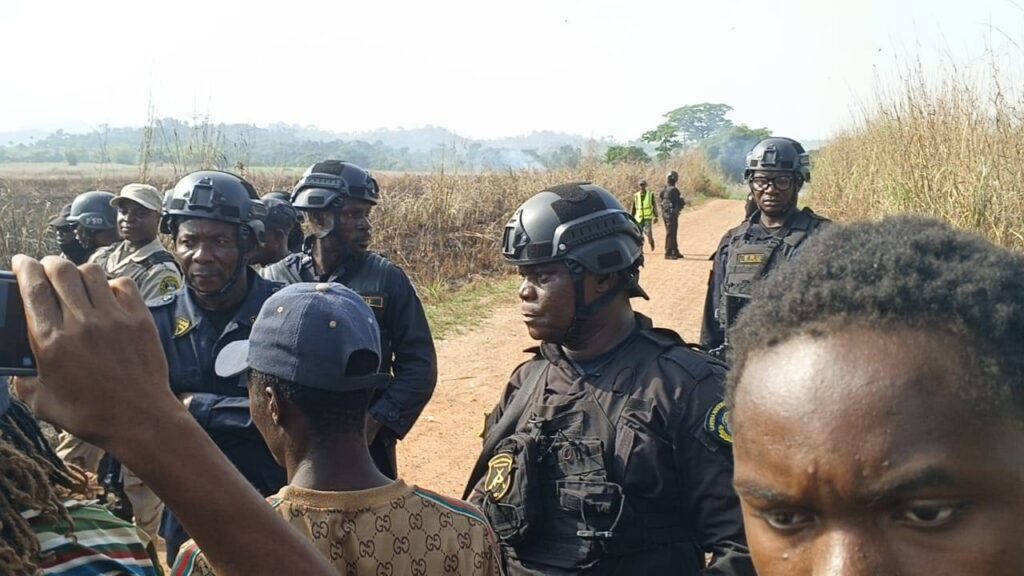
Video footage circulating on social media later showed armed Liberian security personnel arriving at the border to reinforce the area. The officers were seen positioned near the crossing point alongside the young civilians who had earlier confronted the Guinean troops.
The developments come as the Government of Liberia confirmed that it is actively pursuing diplomatic channels to address the incident and prevent escalation.
In a statement issued Tuesday, March 10, the Ministry of Information, Cultural Affairs and Tourism (MICAT) said the government was closely monitoring the situation and working with national security agencies as well as Guinean authorities to maintain calm.
“The Liberian Government assures all citizens and residents that it has taken steps to ensure the situation unfolding along the Liberia–Guinea border is actively being addressed through established diplomatic channels,” the ministry said.
According to the statement signed by Information Minister Jerolinmek Matthew Piah, the government has already dispatched a high-level inter-ministerial delegation to the border region to engage Guinean counterparts and help de-escalate the situation.
The delegation includes representatives from the Ministries of Defense, Internal Affairs, Foreign Affairs, and Justice.
“The discussions focused on addressing the current situation at the border, strengthening cooperation between local authorities on both sides, and ensuring that peace and stability are maintained for the benefit of citizens residing in border communities,” the statement added.
Meanwhile, President Joseph Nyuma Boakai, who serves as Commander-in-Chief of the Armed Forces of Liberia, is expected to convene an emergency meeting with members of the Legislature to address the border tensions and review the government’s response.
Lawmakers are expected to receive a detailed briefing on the incident and broader regional security developments.
Among those weighing in on the situation is Gbarpolu County Senator Amara Konneh, who confirmed that the Senate has already been informally briefed on the crisis by Senator Momo T. Cyrus, Chairman of the Senate Committee on Defense, Security and Intelligence.
Konneh praised the government’s decision to pursue diplomacy while acknowledging the courage shown by local residents.
“Although we do not yet have all the details, we thank the President and his National Security Team for their soft-power diplomacy to de-escalate tensions, and the young Liberians for their courage and patriotism,” the senator said.
Konneh also urged regional leaders to reactivate the Mano River Union (MRU) as a mechanism for resolving cross-border disputes among West African neighbors.
“There is no better time than now to reactivate the Mano River Union… to address the kinds of infringements Guinea has recently committed on the territories of its neighbors,” he said.
The senator recalled previous regional tensions involving Guinean forces, including the long-running dispute over Yenga, a border town in eastern Sierra Leone that Guinean troops occupied during the Sierra Leonean civil war in the early 2000s.
Despite a 2012 agreement recognizing Yenga as Sierra Leonean territory, Guinea has been accused of failing to fully withdraw its forces, a situation that has periodically strained relations between the two countries.
Observers note that Guinea has been involved in several border-related tensions in the sub-region over the years, including disputes with Sierra Leone and Côte d’Ivoire, often linked to security operations or unclear colonial-era boundary demarcations.
Konneh emphasized that many of West Africa’s modern borders were drawn during the late 19th century “Scramble for Africa,” often separating communities with shared cultures and histories.
“These borders were artificial and arbitrary,” he said, warning that unresolved boundary issues could continue to trigger tensions unless regional leaders strengthen mechanisms for dialogue and cooperation.
For now, the Liberian government is urging citizens, particularly those in border communities, to remain calm and avoid spreading unverified information that could inflame the situation.
“The Government of Liberia remains committed to resolving all matters through peaceful dialogue and diplomacy,” the Ministry of Information said, adding that the public will continue to be updated as discussions with Guinean authorities progress.
Follow The Liberian Post on Facebook and X (formerly twitter)