-Declares Liberia “Stronger Than a Year Ago”
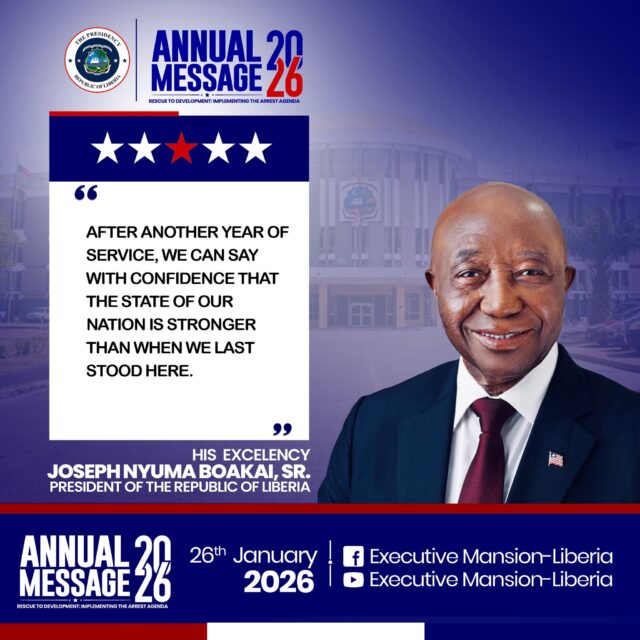
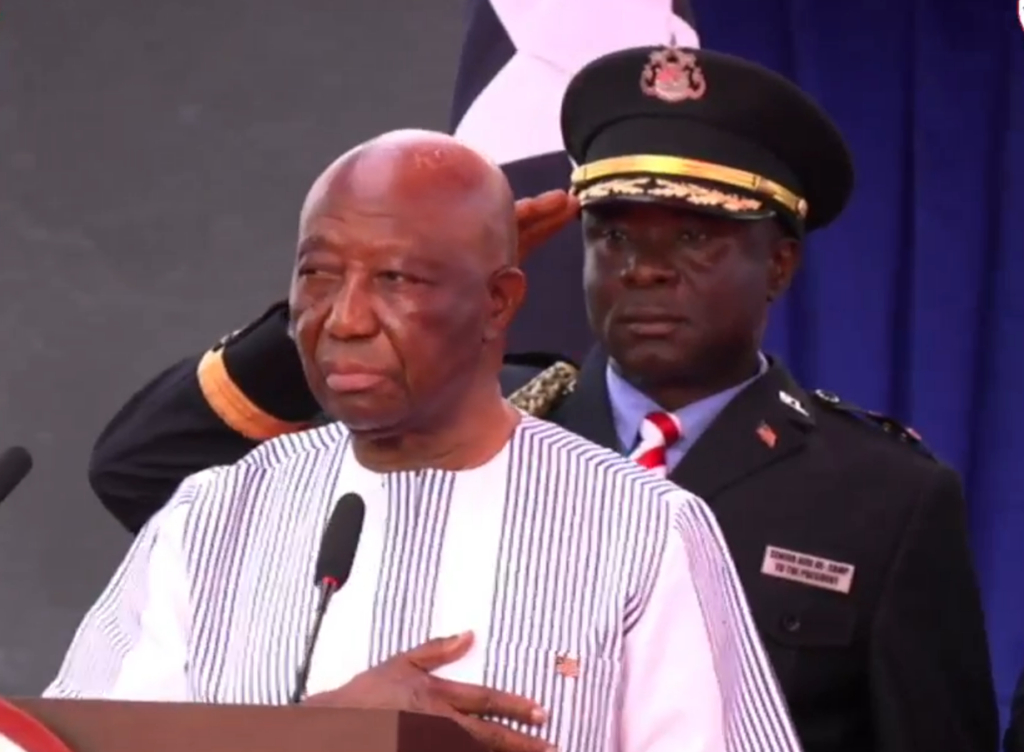
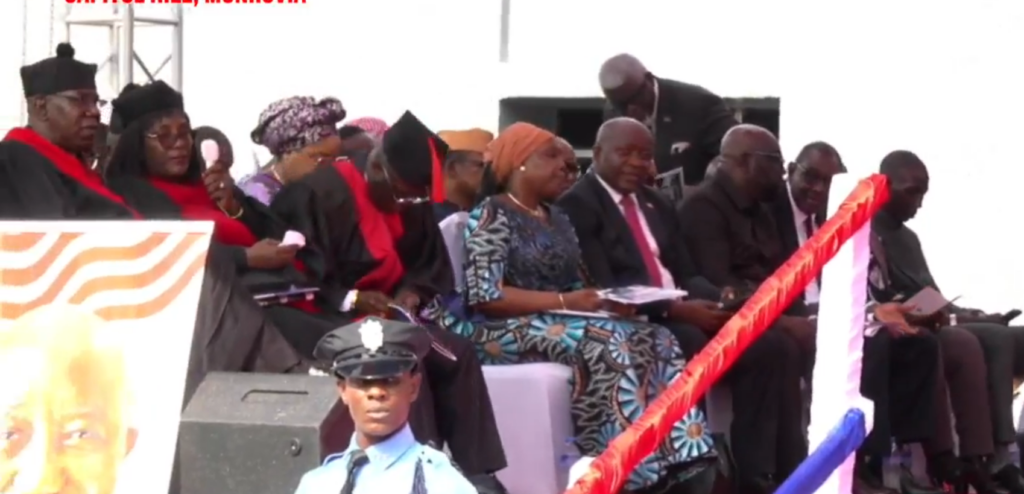
CAPITOL HILL, Monrovia — President Joseph Nyuma Boakai on Monday, January 26, 2026, delivered his 3rd Annual Message to the 55th Legislature, outlining an expansive legislative, economic, and governance agenda for 2026 while asserting that Liberia is now “stronger than when we last stood here,” despite inherited challenges and global headwinds.
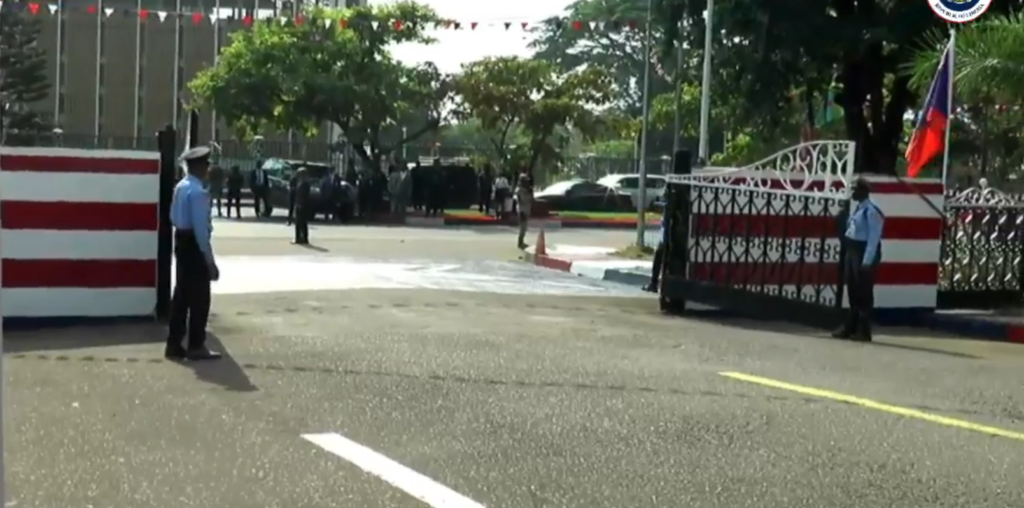
Addressing lawmakers on the Capitol grounds, President Boakai framed his message under the theme “From Resolve to Results: Building on Progress and Delivering for the Liberian People,” signaling a shift from stabilization to accelerated implementation under his ARREST Agenda for Inclusive Development.
Legislative Priorities for Reform and Growth
At the center of the President’s address was an ambitious legislative agenda aimed at strengthening institutions, boosting investor confidence, and improving service delivery. Boakai urged lawmakers to fast-track key pending bills, including the Presidential Transition Act, the establishment of a Civil Service Commission, and amendments to the Mineral Development Agreement with ArcelorMittal.
He also announced that new legislation would be submitted in 2026 to establish a National Planning Commission, a National Road Authority, a universal health insurance program, and a specialized property court to address land disputes. Additional reforms include expanding the mandate of the Liberia Agriculture Commodities Regulatory Authority, restructuring the Ministry of Foreign Affairs, and repealing outdated decrees from the People’s Redemption Council era.
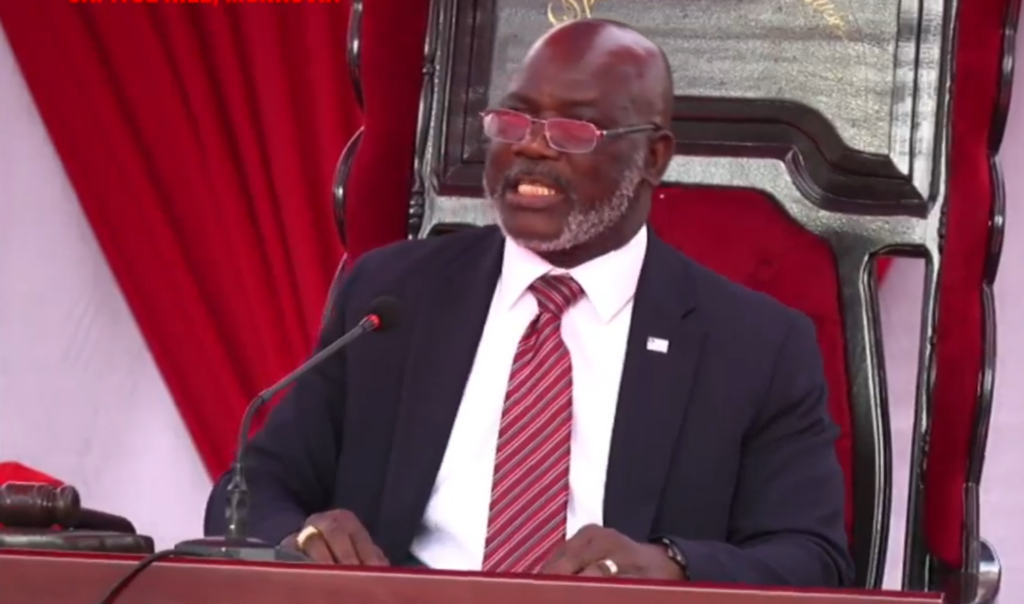
The President further disclosed the submission of four amendments to anti-corruption laws, including provisions to criminalize illicit enrichment and remove statutes of limitation on corruption cases.
Economy Shows Strong Rebound
Boakai reported robust economic performance in 2025, noting that Liberia’s economy grew by 5.1 percent, exceeding projections and outperforming the previous year. Growth was driven by mining, agriculture, fisheries, and services, with exports rising by more than 31 percent and inflation falling to four percent, the lowest level in over two decades.
Liberia’s international reserves climbed to US$576 million, while domestic revenue reached a historic US$847.7 million, the highest ever recorded. The President announced that a supplemental budget would be submitted—another first in many years—following strong fiscal performance.
Despite these gains, Boakai acknowledged vulnerabilities exposed by a mid-year donor funding reduction, which disrupted social programs and employment. He said the government responded with tighter fiscal controls while protecting health and education spending.
Liberia remains under an IMF-supported program, having met nearly all performance benchmarks in 2025, with reserves projected to cover 3.3 months of imports by 2027 International Monetary Fund.
Infrastructure, Energy, and Connectivity
Infrastructure development featured prominently in the address. The President reported that paved road coverage has increased from under 12 percent to approximately 20 percent, with more than 780 kilometers of major roads maintained and new corridors nearing completion, including Saclepea–Tappita and Kelipo–Fish Town.
Boakai confirmed that 285 road maintenance machines procured by government are currently being shipped and will be deployed across counties to support road upkeep and disaster response.
In the energy sector, over 63,000 new electricity connections were established in 2025, with tariffs reduced and solar power deployed to rural clinics. Major projects underway include a 250MW gas-to-power plant, a 200MW solar facility with storage, and a new hydropower project on the St. John River.
Telecommunications and digital finance also expanded significantly, with mobile money usage rising to 58 percent and the launch of an instant payment system enabling real-time transactions across Africa.
Social Sectors: Agriculture, Health, Education
Agriculture, described as the backbone of the ARREST Agenda, supported more than 198,000 farmers in 2025, helping move over 33,000 Liberians from food insecurity to food security. The government also launched Liberia’s first semi-industrial fishing vessel to boost domestic fish production.
In health, maternal deaths declined, immunization coverage reached 88 percent, and medicine stockouts dropped sharply. Major health infrastructure projects are underway, including regional diagnostic centers and a neuro-psychiatric hospital.
Education reforms included removing ghost teachers, hiring qualified volunteers, expanding digital learning platforms, and investing in school infrastructure. Scholarship programs were expanded and arrears for Liberian students abroad cleared.
Governance, Security, and Accountability
President Boakai emphasized renewed efforts to strengthen governance, reporting indictments and convictions secured through the Liberia Anti-Corruption Commission and a sharp rise in compliance with audit recommendations. Performance contracts for heads of institutions are now mandatory.
Security agencies recorded major drug seizures and arrests, while investments in fire services, immigration, and the military improved national safety and living conditions for personnel.
Foreign Policy and Global Standing
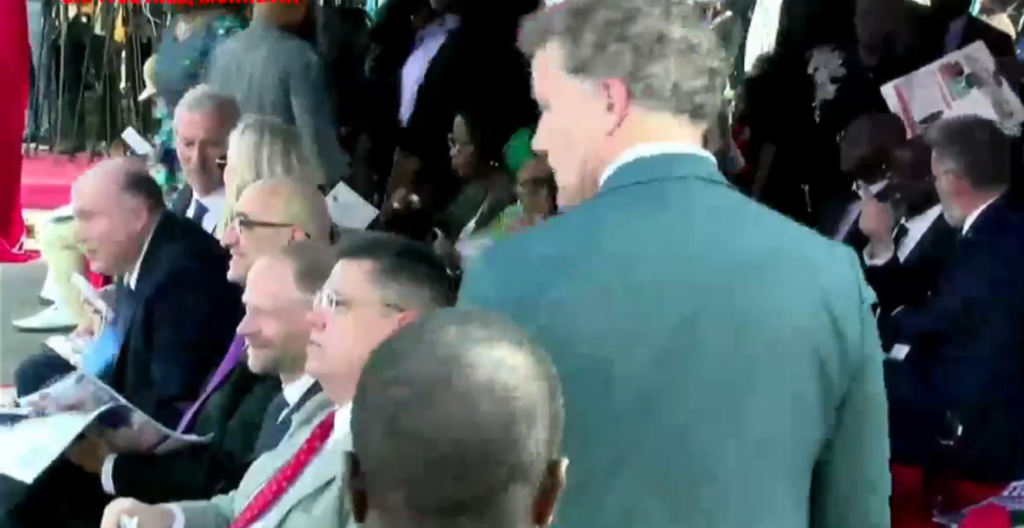
On foreign relations, Boakai declared Liberia’s international credibility restored, highlighted by its election to a non-permanent seat on the United Nations Security Council for 2026–2027 with overwhelming global support.
Liberia strengthened ties with traditional partners including the United States, the European Union, China, and regional bodies, while shifting from aid dependency toward trade and investment-driven diplomacy.
A Call to Unity and Service
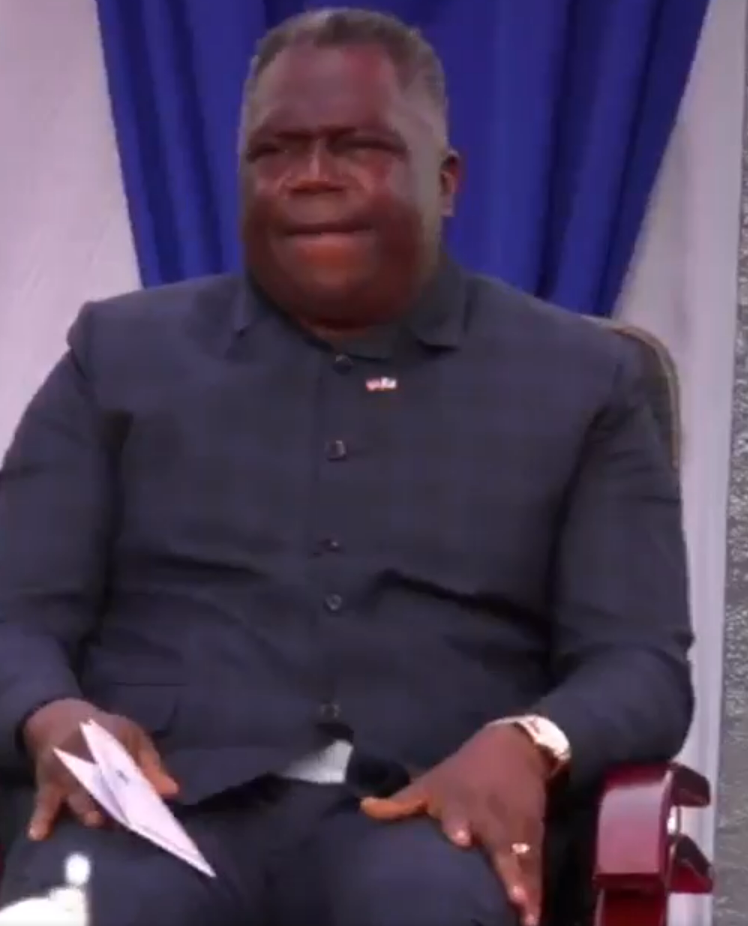
Concluding his address, President Boakai renewed calls for national reconciliation, justice, and inclusive governance, reaffirming plans for a War and Economic Crimes Court and continued implementation of Truth and Reconciliation Commission recommendations.
“The gains we have recorded are not an end,” he said. “They are proof that purposeful leadership anchored in service can deliver results.”
As Liberia enters 2026, Boakai positioned his administration as one moving decisively from recovery to transformation, challenging lawmakers and citizens alike to “think Liberia, love Liberia, and together build Liberia.”
Follow The Liberian Post on Facebook and X (formerly twitter)