-Cites Case Backlogs, One‑Jury Limit and Prison Overcrowding
By Jacqueline L. Dennis
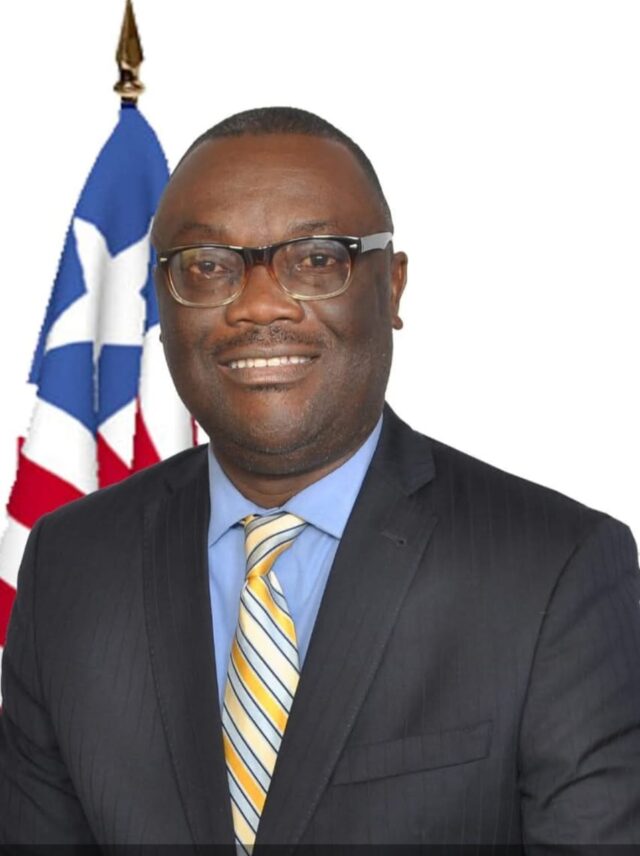
MONROVIA, Liberia — The November A.D. 2025 Term of Criminal Assizes “A,” “B,” “C” and “D” opened Monday with a forceful reform charge from Criminal Court “C” Assigned Judge Ousman F. Feika, who warned that clogged dockets, restrictive trial rules and overcrowded prisons threaten fair and speedy justice.
“Justice delayed is justice denied,” Judge Feika said at the Temple of Justice, noting that court dockets remain “overwhelmingly congested” by new filings and cases rolled over from prior terms. “The essence of justice is not the ability to run to court fast and obtain an indictment, but the assurance that a crime has indeed been committed and proven beyond doubt.”
The ceremony drew the Chief Justice, Ministry of Justice officials, the National Association of Trial Judges, and representatives of the Public Defense Office.
Key reform calls
- One‑jury limit: Judge Feika criticized the statute that permits only one jury trial per criminal court per term, calling it “outdated and counterproductive.” The sequential process “stalls progress, extends pretrial detention, and further crowds the docket,” he said, urging lawmakers to revisit the law so more than one jury trial can proceed at a time without compromising fairness.
- Investigative diligence: He urged prosecutors, defense counsel and investigators to strengthen pre‑trial preparation and exercise discretion before bringing weak cases to court, which fuel backlogs and reversals.
- Motion practice: Feika cautioned counsel against flooding courts with dilatory pretrial motions. “Counsels are admonished to exercise discretion and good faith,” he said, warning that the court “will not hesitate to sanction lawyers” who obstruct the smooth operation of justice.
Juror admonition Addressing newly impaneled jurors, the judge underscored impartiality. “If you come to jury service because you have an interest in a case before the court, you are in the wrong place,” he said. “When we find you out, we will apply the appropriate legal sanctions.” He thanked citizens who stepped up to serve as “patriots contributing to the integrity of the justice system.”
Prison crisis Feika devoted substantial attention to the Monrovia Central Prison, “dangerously overcrowded and dominated by pretrial detainees.” Built in the 1970s for 375 inmates, it now holds around 1,600—more than a 400% increase. He linked the surge to population growth and rising serious crimes, and pressed the Ministry of Justice to expedite the new prison in Cheesemanburg, projected to accommodate up to 5,000 inmates.
“The law mandates that every accused person is presumed innocent until proven guilty,” he said. “That presumption loses meaning when liberty is indefinitely withheld without adjudication.”
Rehabilitation matters “Conviction and sentencing are not the end of justice,” Feika added, emphasizing rehabilitation and probation programs to reintegrate offenders and reduce recidivism. A collective mandate The judge called for coordinated action by justice stakeholders—the Ministry of Justice, the Bar, public defenders, integrity institutions and the bench—to restore public confidence. “We must be sure that justice is not only done,” he concluded, “but that it is manifestly seen to be done.”