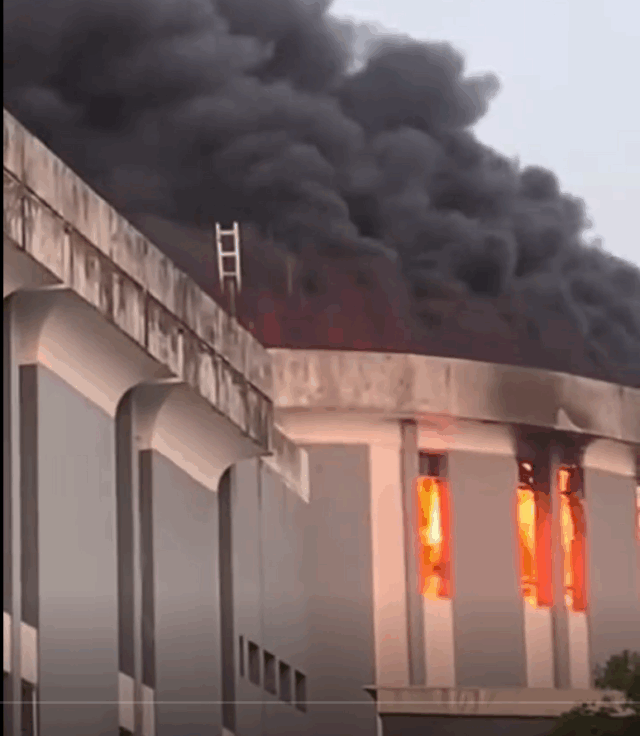
MONROVIA, Liberia – Jurors on Monday pressed the state’s first witness, Investigator Refael Wilson, over the reliability and sources of evidence in the ongoing Capitol Building fire trial. The questioning came after nearly two weeks of direct and cross examination from both the prosecution and the defense.
During the session, jurors sought clarification on whether audio recordings, video footage, and photographs formed the core of the prosecution’s case. Wilson said the state also relied on voluntary statements, call logs, and other investigative materials.
The defense challenged the credibility of these statements, arguing that some were obtained under coercion or torture and that several were unsigned. Counsel asked the court to disregard the statements as evidence.
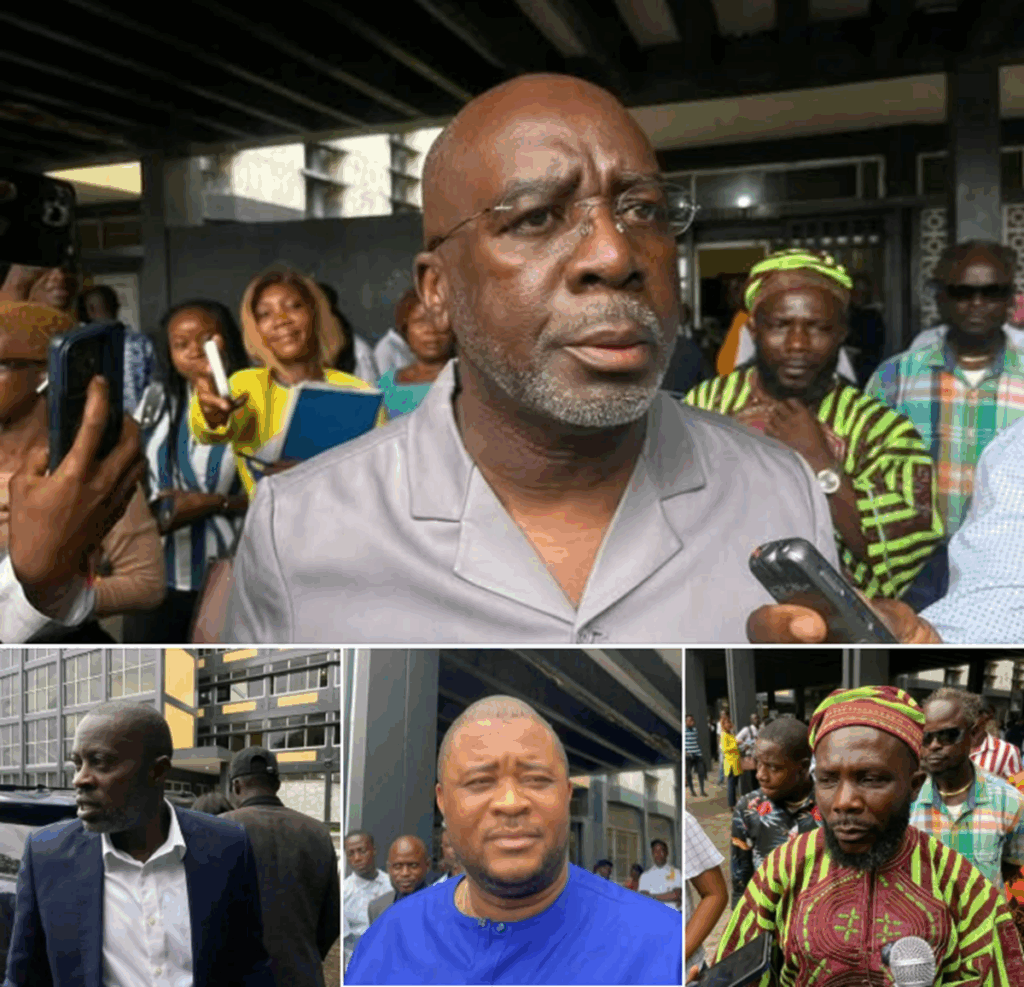
Jurors also asked about security personnel on duty during the fire. Wilson testified that officers were questioned and investigators uncovered irregularities: some were not informed of their assignments, while others failed to report to work. Some claimed illness; others admitted absence but denied involvement in the alleged arson.
Concerns were raised about visual evidence shown earlier in court. A juror noted Wilson had testified there were no CCTV cameras on the Capitol compound and asked how the images were obtained. Wilson explained that photographs were collected during the investigation, including images of the Capitol’s exterior, the Joint Chambers after the fire, and photos from the phone of defendant Thomas Etheridge.
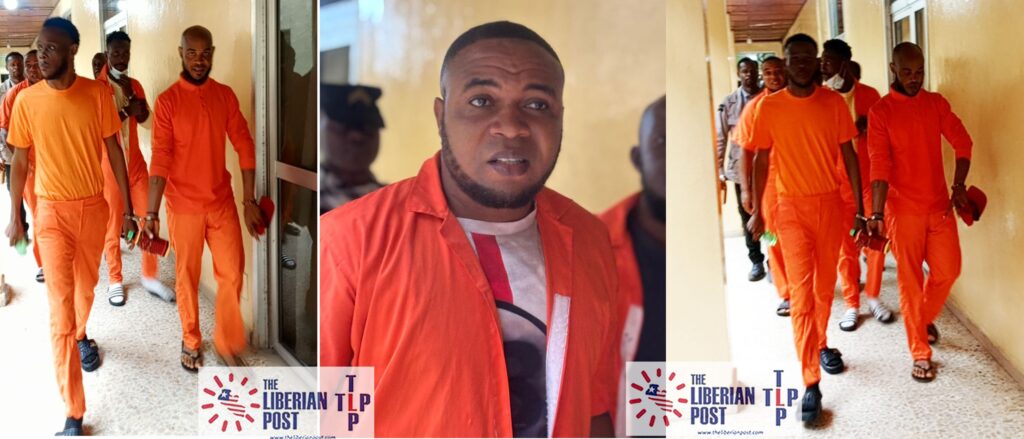
The defense renewed objections to the prosecution’s documents, questioning their authenticity. They highlighted the absence of original letters dated December 2024, and January 2025, which were submitted as photocopies. Counsel argued that the documents came from a brother-in-law of the alleged author, whose identity the prosecution could not confirm, raising doubts about their origin.
Medical evidence was also scrutinized. A report indicated that the alleged victim suffered broken and missing teeth, back pain, and blindness in one eye. Defense counsel argued that the medical findings were “Highly consistent” with claims of torture.
At one point, the defense accused investigators of coercion, alleging that statements were written by investigators rather than the accused and signed in their absence, with the intent of implicating others. Counsel emphasized that cross-examination is a constitutional right and called on the court to uphold previous rulings allowing witnesses to respond fully.
The trial continues as the court considers arguments on the admissibility and weight of the contested evidence.