

CAPITOL HILL, Monrovia – Liberia’s human-rights community has submitted a detailed proposal to the Liberian Senate to transform the long‑stalled War and Economic Crimes Court drive into a concrete, workable tribunal, signaling a renewed push to finally address atrocities committed during the country’s civil wars.
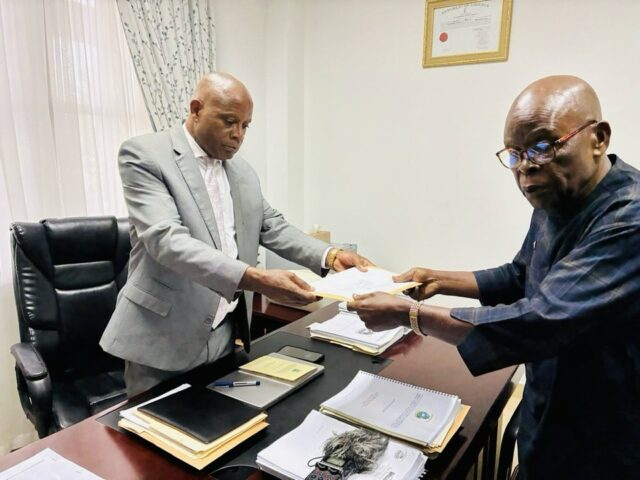
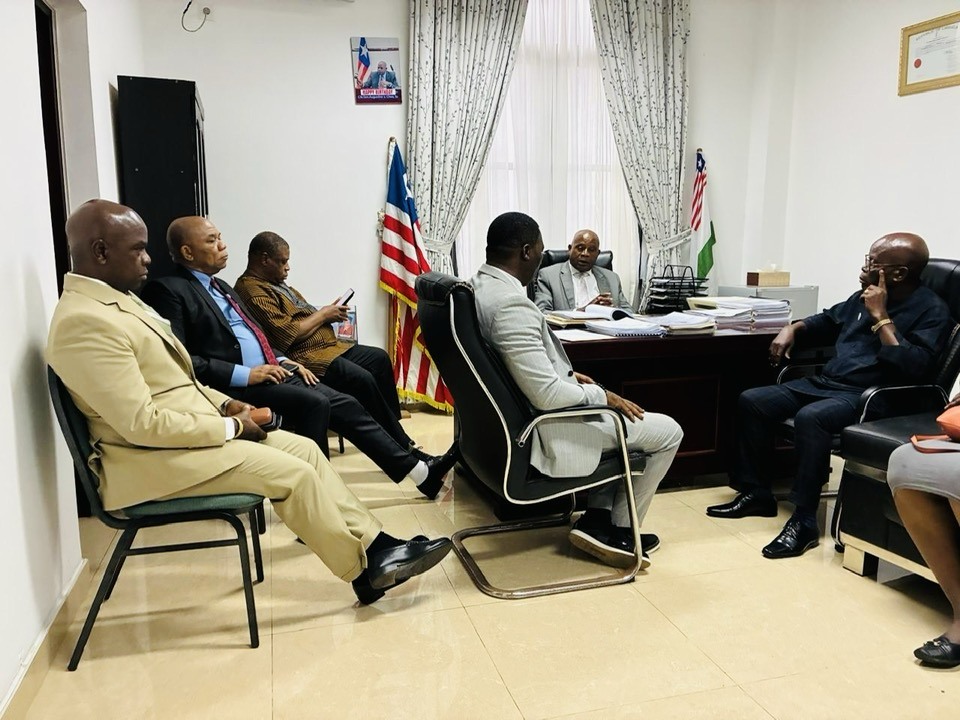
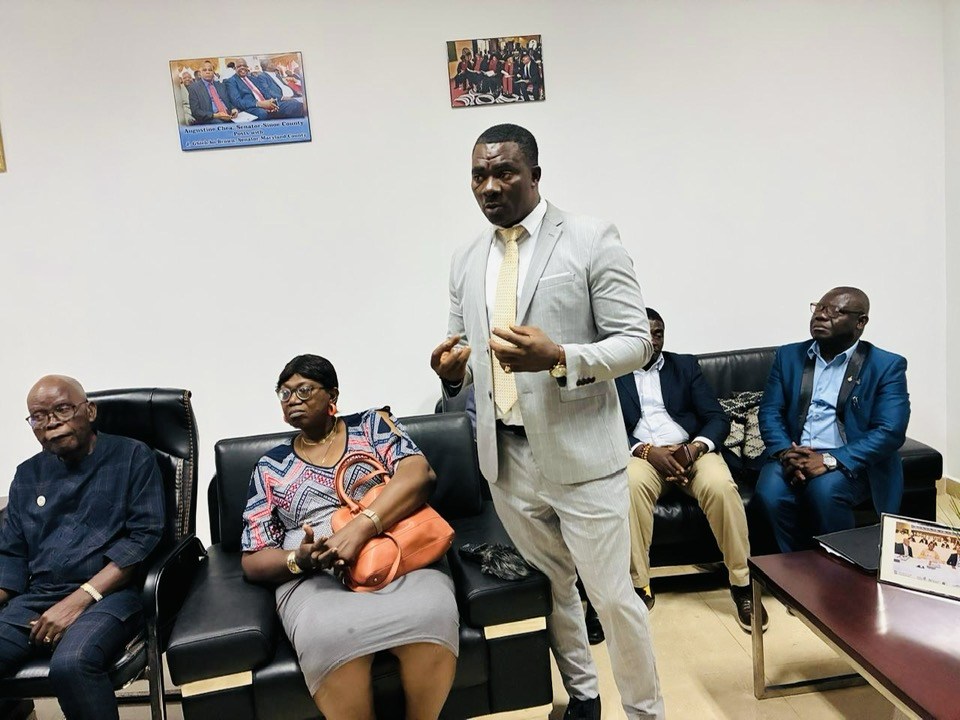
The 36‑page proposal, titled “An Act to Establish a Special War Crimes Tribunal for Liberia,” was formally presented Tuesday, December 2nd, to the Senate Committee on Judiciary, Human Rights, Claims and Petitions at the Capitol.
According to leading campaigner Adama Dempster, the draft is drawn from “other international war crimes statutes to inform the Liberian accountability process” and is intended as a human‑rights community amendment to the Senate’s existing bill to establish a war crimes court.
“‘Justice is not far,’” Dempster wrote on his Facebook page after the submission. “At last the quest for justice in Liberia has been elevated again… Many thanks to the INCHR, transitional justice and human rights groups, victims and survivors, women TJ experts, youth representatives for great team work. The fight for justice is a just one; no one group or institution can do it alone.”
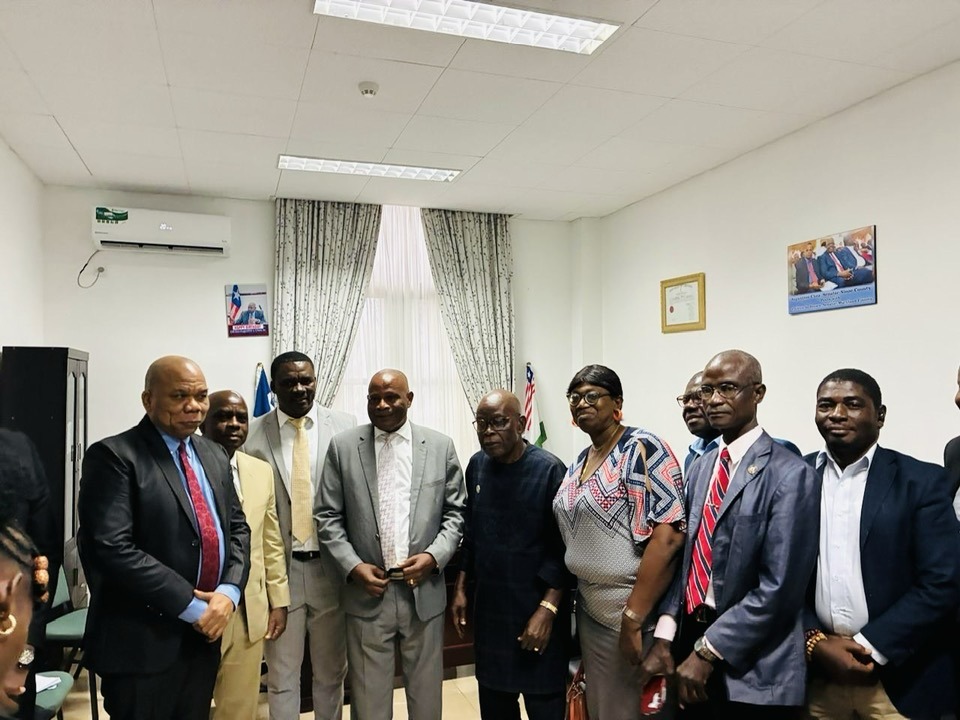
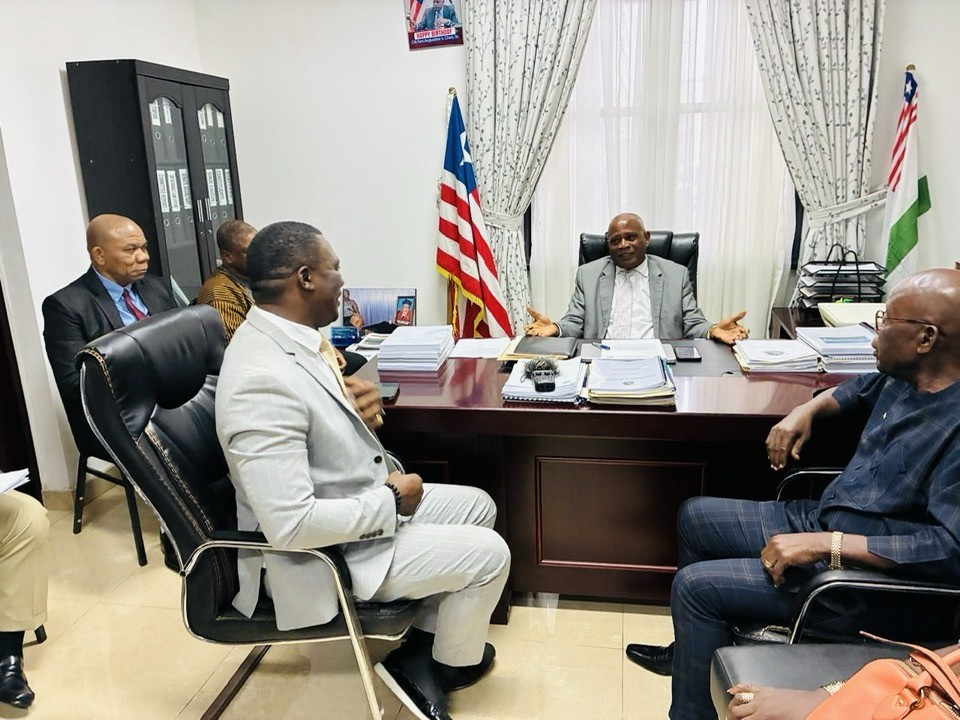
Senators Receive Draft Tribunal Bill
The amendment was officially received by members of the Senate Judiciary and Human Rights Committee, including:
- Senator Augustine Chea – Committee Chair
- Senator Joseph K. Jallah – Co‑Chair
- Senator Albert Chea
- Senator Simon Taylor
- Senator Emmanuel Nuquay
Dempster said the engagement with the lawmakers was “positive,” noting that the rights community is not trying to replace the Senate’s bill, but to strengthen it with international best practices and clearer institutional design.
The proposed Special War Crimes Tribunal for Liberia would, according to campaigners, be a hybrid court rooted in Liberian law but informed by international criminal tribunals, with jurisdiction over grave violations of human rights and humanitarian law committed during the country’s conflicts.
Liberia’s Unfinished War‑Time Accountability
Liberia’s two civil wars (1989–1997 and 1999–2003) killed an estimated 250,000 people, displaced hundreds of thousands more, and were marked by massacres, sexual violence, the use of child soldiers, and widespread destruction of communities and infrastructure.
In 2009, the Truth and Reconciliation Commission (TRC) submitted its final report, recommending:
- The creation of an Extraordinary Criminal Tribunal for Liberia to prosecute those bearing “greatest responsibility” for war‑time crimes;
- A lustration policy, barring certain individuals named in the report from holding public office for 30 years;
- Reparations, memorialization, and community‑level reconciliation programs.
However, for more than a decade, successive governments under Ellen Johnson Sirleaf and George M. Weah did not implement the court recommendation, and several high‑profile individuals named by the TRC remained in politics and public life.
Only a handful of Liberian war‑time figures have faced justice abroad, in the United States and Europe, through immigration and universal‑jurisdiction cases.
Boakai’s Executive Order and Renewed Momentum
The election of President Joseph Nyuma Boakai, Sr. and mounting pressure from victims’ groups, civil society, and international partners have revived the accountability agenda.
Early in his term, President Boakai signed an Executive Order establishing the Office for the Establishment of the War and Economic Crimes Courts—a technical and coordinating body mandated to:
- Work with the Legislature on the legal framework for the courts;
- Engage international partners and the UN on technical support;
- Lead outreach and consultation with victims, communities, and stakeholders;
- Map out logistics, budgeting, and location options for the tribunal.
Boakai has repeatedly said that ending impunity is essential for genuine peace and development.
Rights advocates say Tuesday’s submission to the Senate is a direct response to that opening, designed to give lawmakers a practical blueprint, not just a political slogan.
What the Proposed Tribunal Aims to Do
Though the full text has not yet been published, Dempster said the draft statute:
- Defines the structure, jurisdiction, and composition of the Special War Crimes Tribunal;
- Draws on models from Sierra Leone, Rwanda, the former Yugoslavia, and the International Criminal Court;
- Seeks to balance retributive justice (punishing serious offenders) with restorative measures for victims and communities;
- Provides safeguards for fair trial rights and protection of witnesses.
The tribunal would focus on individual criminal responsibility for serious crimes—such as mass killings, torture, rape, forced displacement, and recruitment of child soldiers—rather than collective or ethnic guilt.
“Justice Is Not Far” – But Still Not Guaranteed
For activists like Dempster, the submission of the amendment is both a symbolic and practical step.
“The fight for justice is a just one; no one group or institution can do it alone,” he wrote. “Justice is not far.”
Yet much remains uncertain. Any tribunal will require:
- Passage of enabling legislation by both the Senate and House of Representatives;
- Strong political will from the Executive;
- Significant financial and technical support from international partners;
- Careful management of public expectations and fears of political manipulation.
Some critics worry that a court could destabilize fragile peace or be used selectively against political opponents. Advocates counter that delayed justice has itself been a destabilizing factor, feeding a culture of impunity that has spilled into present‑day corruption and violence.
Next Steps in the Legislature
The Senate Judiciary and Human Rights Committee is expected to review the civil‑society draft alongside its own bill to establish a war crimes court. Public hearings and expert consultations are anticipated in the coming months.
Human‑rights groups are also urging the House of Representatives to become more engaged so that any final law reflects broad national consensus.
For now, though, campaigners see this week’s development as a significant milestone: for the first time since the TRC report, a detailed war‑crimes statute—crafted with victims, civil‑society and international input—is formally in the hands of Liberian lawmakers.
Whether it becomes law will test Liberia’s willingness, two decades after war, to confront its ugliest chapters not just in speeches, but in court.