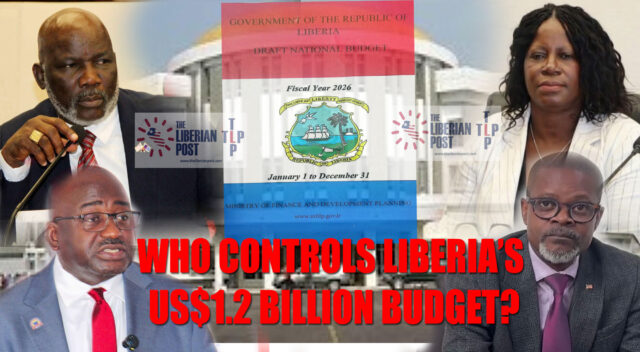
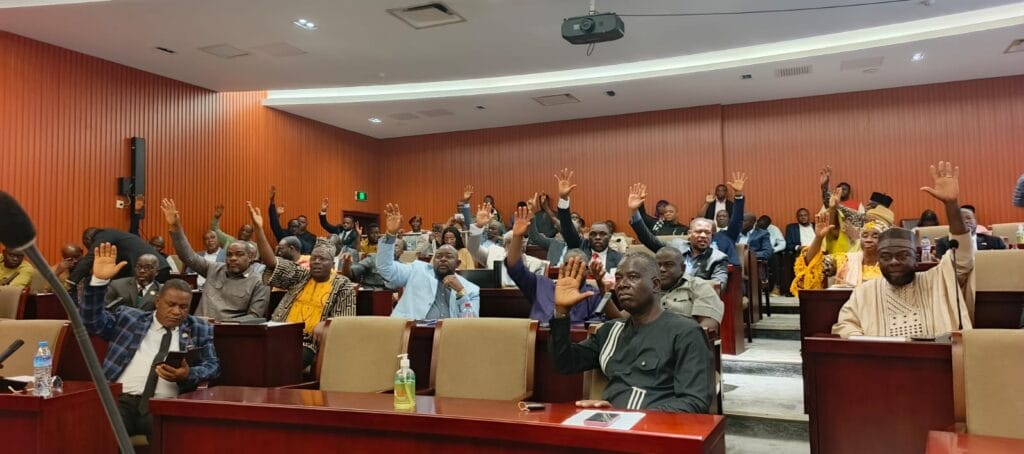
MONROVIA, Liberia — The Liberian Legislature has passed the 2026 National Budget, with the Senate concurring with the House of Representatives, approving a record US$1.249 billion spending plan—the largest national budget in Liberia’s history—after weeks of intense debate, public criticism, and political maneuvering.
The passage marks a major fiscal milestone for the administration of President Joseph Nyuma Boakai, whose government has framed the budget as a cornerstone of its ARREST Agenda for Inclusive Development, aimed at stabilizing the economy, restoring fiscal discipline, and accelerating growth.
Debt Servicing and Fiscal Credibility
A key feature of the 2026 budget is its significant allocation toward domestic and external debt servicing, a move the Ministry of Finance and Development Planning says is critical to restoring Liberia’s financial credibility after years of arrears, strained donor confidence, and weakened investor trust.
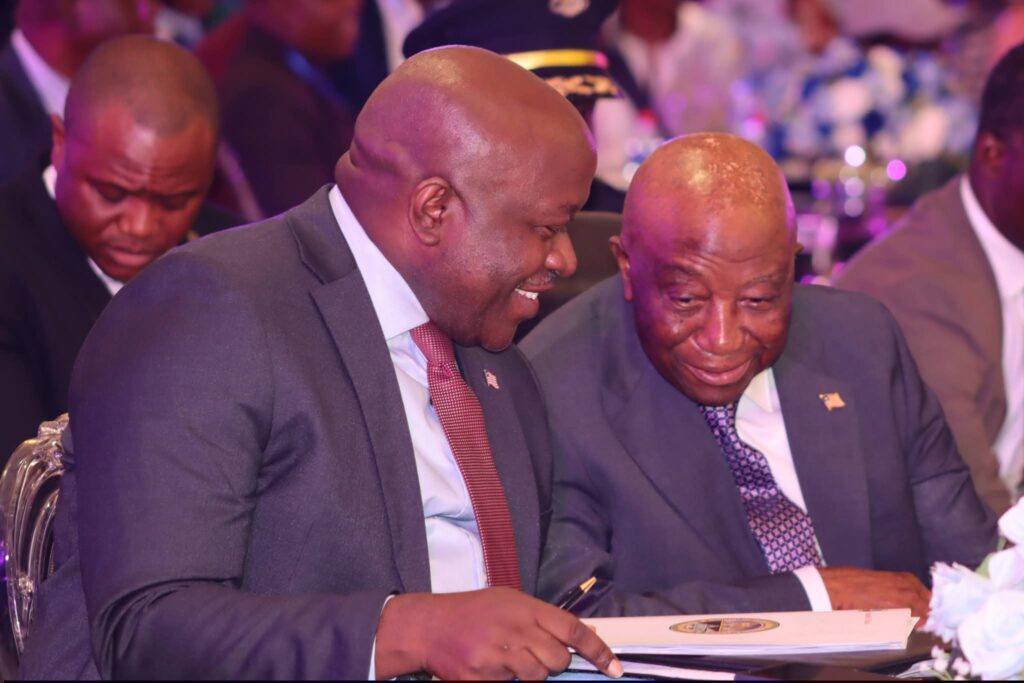
Finance Minister Augustine Kpehe Ngafuan, welcoming the Legislature’s concurrence, described the budget’s passage as “a critical milestone in the government’s economic reform agenda,” noting that debt payments are essential to normalizing relations with international creditors and development partners.
Economic analysts say the emphasis on debt servicing reflects pressure from international financial institutions and donors for Liberia to demonstrate stronger fiscal responsibility, particularly amid declining concessional financing and tightening global aid flows.
Infrastructure Takes Center Stage
The approved budget allocates a substantial share to infrastructure development, with a heavy focus on road construction and rehabilitation across the country. Lawmakers backing the budget argue that improved road connectivity is vital to stimulating trade, reducing transportation costs, and linking rural communities to markets and public services.
However, infrastructure allocations were also among the most controversial elements of the budget debate. Several legislators and civil society groups raised concerns about past road funds being reallocated, delayed, or under-executed, warning that increased funding must be matched with stronger project monitoring and transparency.
Energy, Power, and Private Sector Growth
The energy sector features prominently in the 2026 spending plan, with allocations targeting electricity generation, transmission expansion, and improved access to affordable power nationwide. The government has argued that reliable energy is foundational to private sector growth, job creation, and industrial development.
In line with that goal, the budget includes provisions to expand access to financing, particularly for small and medium-sized enterprises (SMEs)—a segment widely viewed as critical to reducing unemployment, especially among youth.
Still, critics argue that while allocations appear ambitious, Liberia’s weak implementation capacity and history of unspent or reprogrammed funds raise questions about whether these objectives can be fully realized within a single fiscal year.
Social Sectors Receive Increased Attention
Health, education, and agriculture also receive expanded funding, reflecting the government’s stated commitment to human capital development and food security.
Health sector allocations aim to improve service delivery and system resilience, while education funding targets infrastructure upgrades, teacher support, and learning outcomes. Agriculture spending focuses on supporting farmers, enhancing productivity, and strengthening value chains to reduce Liberia’s dependence on food imports.
Despite these increases, advocacy groups and opposition lawmakers argue that recurrent expenditures—particularly salaries and administrative costs—continue to crowd out direct service delivery, limiting the real impact of social spending at the community level.
Budget Controversies and Political Tensions
The 2026 budget process was not without controversy. Lawmakers clashed over reallocations within the Public Sector Investment Program (PSIP), concerns about fund transfers across ministries, and perceived executive influence over legislative priorities.
Civil society organizations also criticized the process, citing limited public consultation and calling for greater disclosure around specific line items, particularly those tied to capital projects and security-related expenditures.
Opposition figures warned that without stronger oversight, the record-breaking size of the budget could deepen inefficiencies rather than deliver transformative results.
Executive Optimism, Public Expectations
Minister Ngafuan thanked lawmakers for their collaboration, expressing confidence that once signed into law by President Boakai, the budget will “accelerate development, strengthen public service delivery, and improve the livelihoods of Liberians.”
The budget now awaits final presidential approval.
As Liberia enters fiscal year 2026 with its largest spending plan ever, expectations are high—and so are the stakes. For many Liberians, the real test will not be the size of the budget, but whether its promises translate into visible improvements in roads, electricity, healthcare, education, and jobs in their daily lives.