-Demand Better Pay and Housing for Chiefs
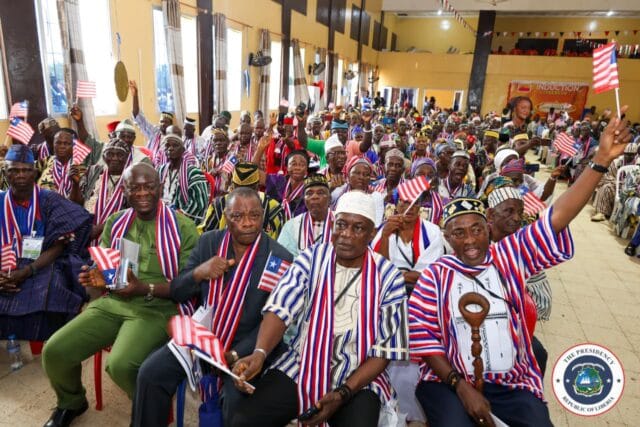
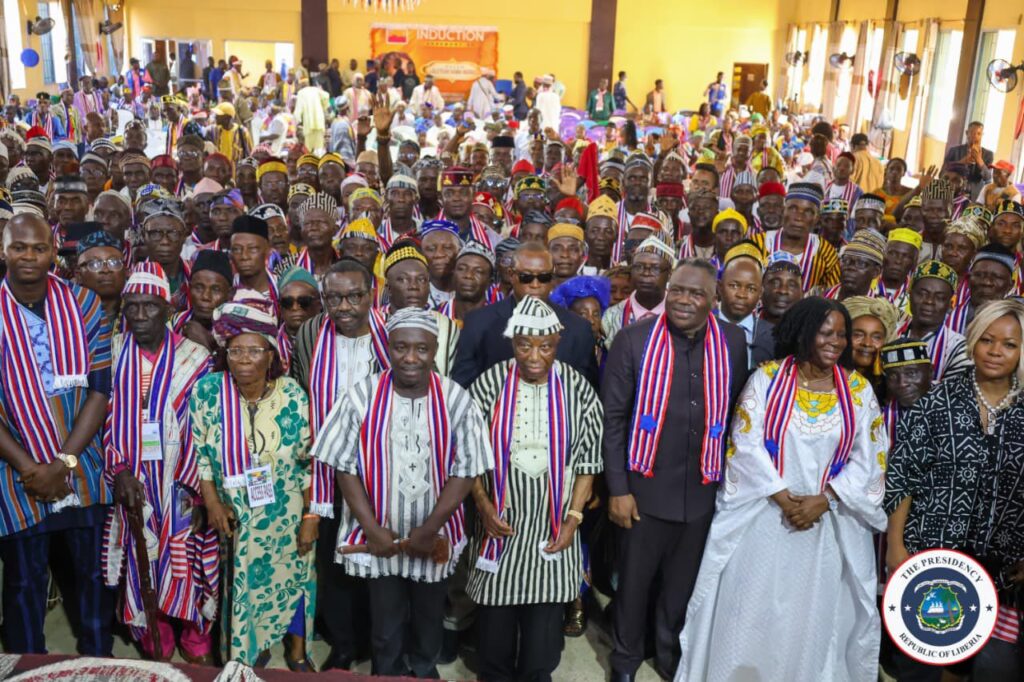
GBARNGA, Bong County – Traditional leaders from across Liberia have called on President Joseph Nyuma Boakai to overhaul the way the country manages its natural resources, demanding that foreign companies be compelled to build value‑addition factories inside Liberia rather than simply extracting raw materials and exporting them.
Speaking at a recent gathering of chiefs and elders with the President, a senior chief from western Liberia lamented that communities sitting on some of the country’s richest deposits are still poor, polluted and visibly underdeveloped.
He cited Kpo Mountain in Gbarpolu County and Bea Mountain in Grand Cape Mount County as stark examples.
“If you go to Gbarpolu, the Kpo Mountain, you will be smelling kerosene and fuel oil,” the governor said. “You will even see them on the little creeks.”
He went further, claiming that Bea Mountain hosts a mineral “more expensive than diamond” yet to benefit locals in any meaningful way.
“Bea Mountain has all resources in there,” he said. “There’s a mineral in the Bea Mountain called LuDu, which is more expensive than diamond.”
“Why Can’t They Do It Here?”
The chiefs’ central argument is that Liberia’s long‑standing model—granting concessions to companies that extract ore or other raw materials, process them abroad, and then import finished products back into the country—is both economically irrational and morally indefensible.
“If these people can take them from Liberia and go re‑polish them or re‑make them in their homes and bring them back to us and sell them at high prices, why is it they can’t do that here in Liberia?” the chief asked, to applause.
“Let those factories that they have in their very homes, let them establish them here in Liberia… so that we can sell to them, let them buy them at a high price instead of them bringing to us our own materials, selling to us at a high price.”
The request echoes long‑standing civil‑society and expert calls for local value addition in mining and forestry contracts—through processing plants, smelters, and other downstream operations that create jobs, technology transfer and higher tax revenue.
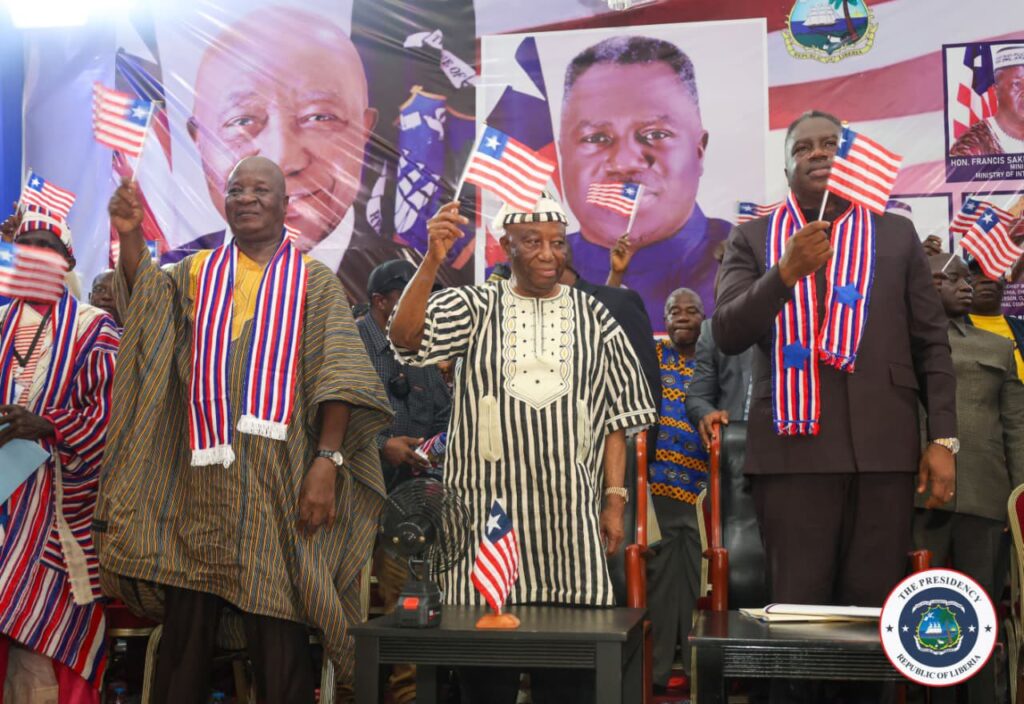
Chiefs Demand Welfare, Housing and Transport
Beyond macro‑economic policy, the traditional leaders also turned the spotlight on their own conditions, saying those who serve as the state’s grassroots authority structures are too often left in poverty and indignity.
They asked the government to:
- Put traditional chiefs’ on the government payroll so they can “take good salary” and better support their families;
- Build decent housing for county superintendents and governors—what one speaker called a “Governors’ Compound”—instead of leaving them “residing in one room”;
- Provide official vehicles or transport to enable chiefs and governors to effectively cover their jurisdictions.
The chiefs routed their demands through the Minister of Internal Affairs, Mr. Francis S. Nyumalin, whom they praised as a “talk and do” servant of the traditional community. They urged President Boakai to continue backing the minister so that commitments made to local leaders can be implemented.
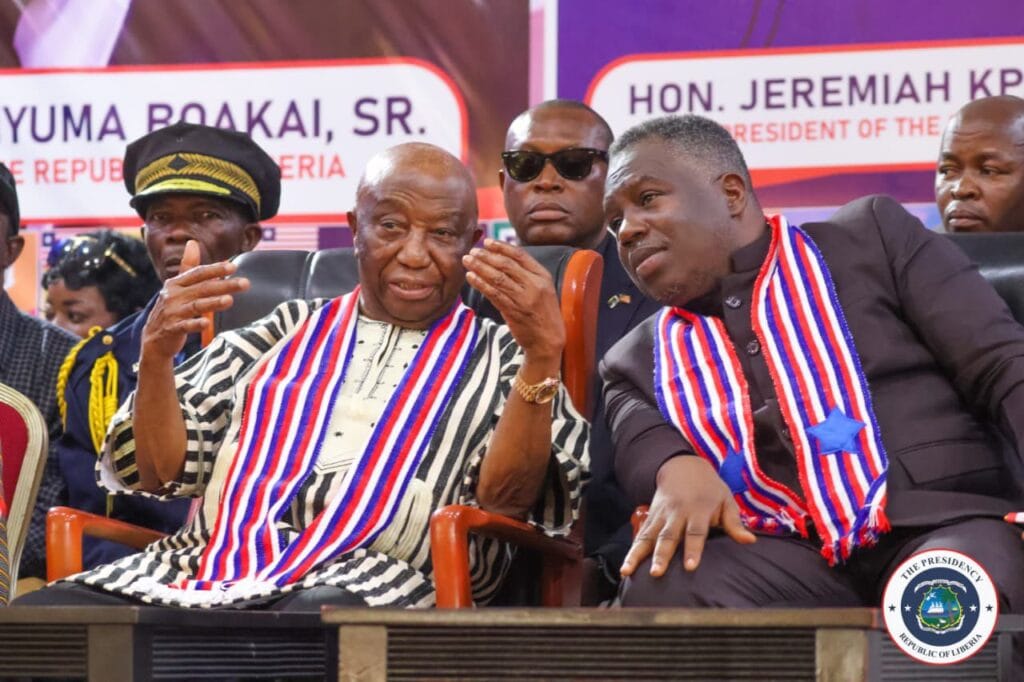
Political Stakes for Boakai Government
The intervention underscores mounting expectations in rural Liberia that President Boakai’s ARREST Agenda—with its emphasis on agriculture, roads, rule of law, education, sanitation and tourism—will also be reflected in renegotiated concessions, stronger local content provisions, and visible improvement in the livelihoods of chiefs and elders.
Traditional leaders remain important political actors, especially in the interior, where their endorsement and mobilization can heavily influence electoral outcomes. Their public demand for factories, fairer benefit‑sharing and better welfare signals that the old model of resource extraction without broad‑based development is facing increased pressure from below.
The Boakai administration has yet to respond formally to the chiefs’ specific asks, but any future concession reviews—particularly around large projects like Bea Mountain or new iron ore deals—will now unfold under a sharper spotlight from the very communities sitting on Liberia’s mineral wealth.