


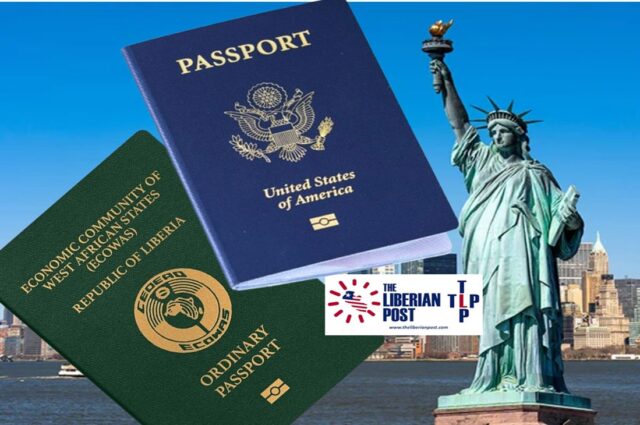
MONROVIA — The Government of Liberia has moved to calm public anxiety following the announcement by the United States Department of State of an indefinite pause in the issuance of certain immigrant visas for nationals of 75 countries, including Liberia, under a review of U.S. immigration screening procedures.
In an official statement issued this week, the Ministry of Foreign Affairs confirmed that the measure is scheduled to take effect on January 21, 2026, and is linked to the United States’ reassessment of its so-called “public charge” rule—an immigration standard used to determine whether an applicant is likely to depend on public assistance after admission.
What Is Being Paused—and What Is Not
The Foreign Ministry stressed that the U.S. decision does not amount to a visa ban on Liberians, nor does it halt all visa processing.
According to the Ministry, only immigrant visas—those that lead to permanent residence (green cards)—are affected. These include:
- Family-based immigrant visas
- Employment-based immigrant visas
- Diversity Visa (DV Lottery) categories
- Other permanent-residency classifications
Crucially, the Ministry emphasized that non-immigrant visas remain unaffected. Tourist, business, student, exchange, and other temporary visas will continue to be processed, and existing valid visas remain valid and are not cancelled.
“This pause applies only to immigrant visas and does NOT affect non-immigrant visas,” the Ministry stated, urging the public to avoid misinformation.
Interviews to Continue Despite Pause
In a key clarification likely to reassure many applicants, the Foreign Ministry disclosed that immigrant visa interviews will continue as scheduled at U.S. embassies and consulates. What is being paused, officials said, is only the final issuance of the immigrant visa, pending the release of updated U.S. guidelines.
“As of tonight, the Ministry can confirm that even interviews for immigrant visas will continue unhindered,” the statement noted.
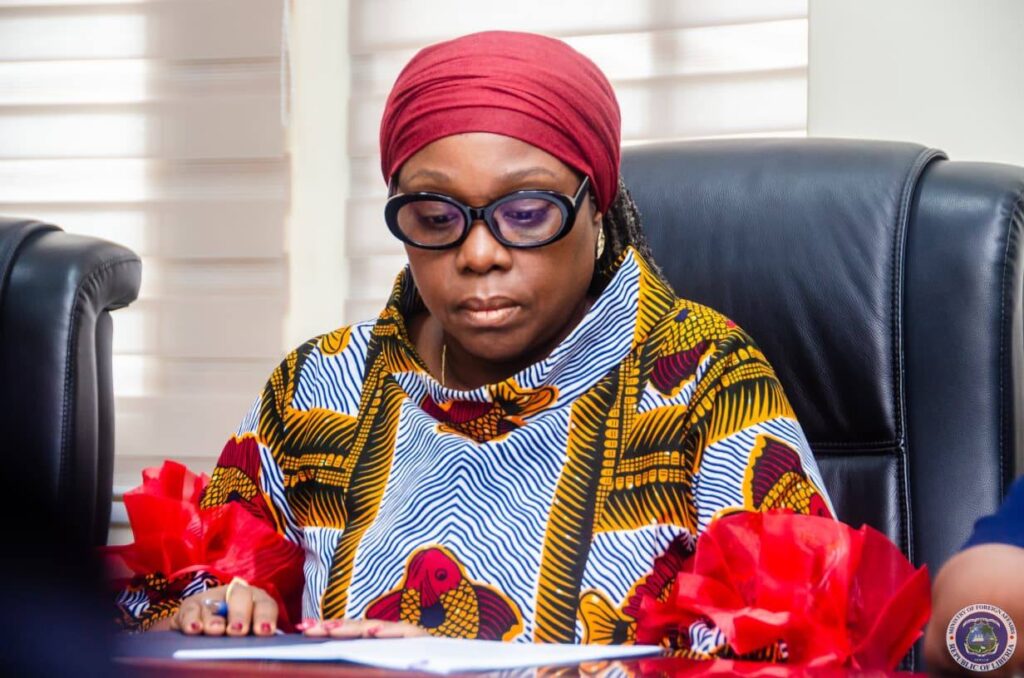
Liberia Among 75 Affected Countries
Liberia appears on a list of 75 countries whose nationals are subject to the temporary pause. U.S. officials say the move builds on broader immigration tightening measures under the administration of Donald J. Trump, aimed at strengthening entry standards and preventing what Washington describes as abuse of public benefit systems.
U.S. authorities have indicated that consular officers are now required to apply heightened scrutiny to immigrant visa applicants, including deeper assessment of financial capacity, education, employment prospects, health, age, family status, English proficiency, and any past use of public assistance.
The burden, according to U.S. guidance, rests squarely on applicants to prove that they will not become dependent on government benefits after admission.
Potential Impact on Liberian Families
The policy is expected to have a significant social impact in Liberia, where family-based immigration remains the most common pathway to permanent U.S. residence. Thousands of Liberians have pending petitions involving spouses, parents, children, and siblings.
While the pause is described as temporary, immigration advocates warn that any prolonged delay could affect family reunification timelines that already stretch for years.
Government Engages U.S. Diplomatically
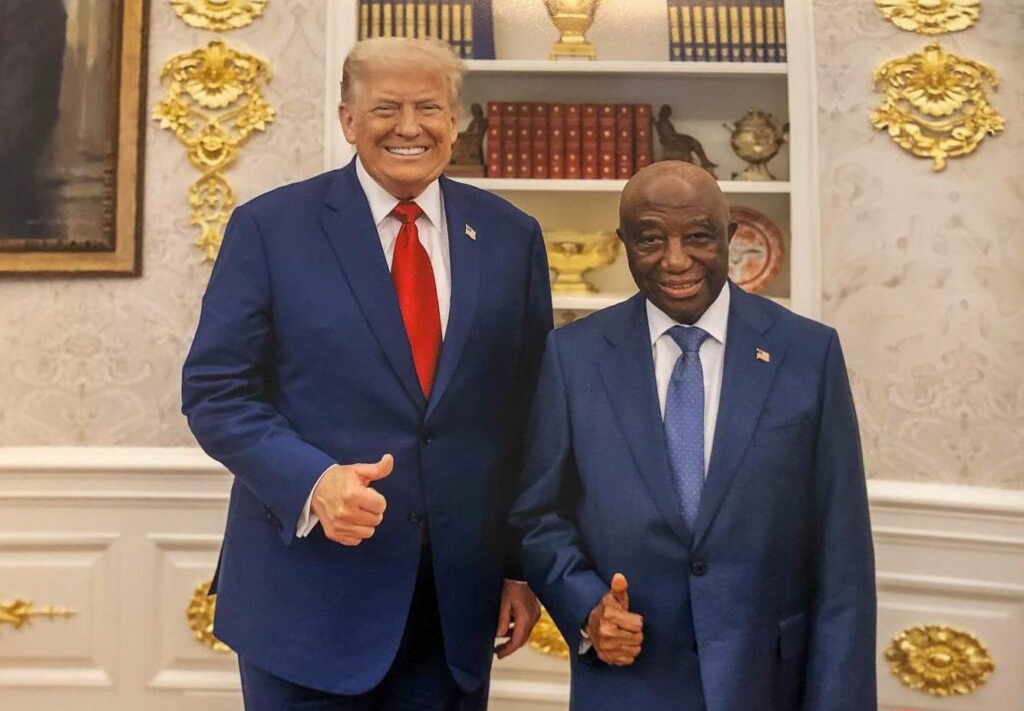
The Ministry of Foreign Affairs said the Government of Liberia is actively engaging U.S. authorities through diplomatic channels to seek clarity on the scope, duration, and implementation of the pause, while advocating for fair consideration of Liberian applicants.
“The Government of Liberia recognizes the potential impact on citizens seeking permanent residence,” the Ministry said, adding that it will continue to keep the public informed through official channels.
Non-Immigrant Travel Still Open
Amid the uncertainty, the Ministry reiterated that non-immigrant travel for tourism, study, and business remains open, and Liberians holding valid U.S. visas may continue to travel lawfully.
The pause comes as the United States prepares to host major global events, including the 2026 FIFA World Cup and the 2028 Olympic Games, which U.S. officials expect will significantly increase demand for non-immigrant visas.
For now, Liberian authorities are urging calm, accuracy, and reliance on official information as discussions with U.S. counterparts continue and further guidance is awaited.




Thanks for this information. But please update me on any new information concerning this.
Comments are closed.