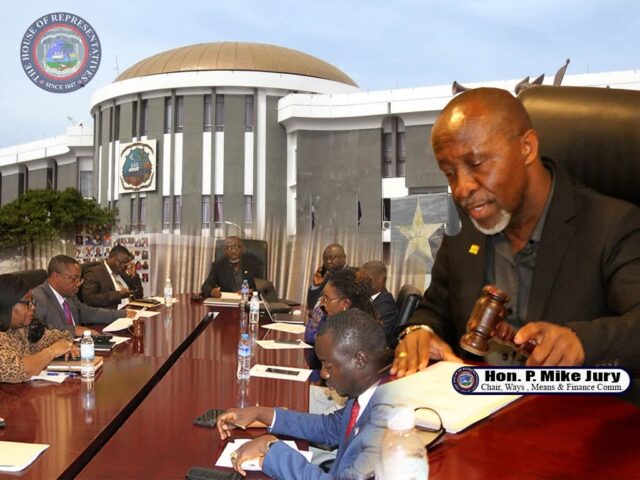
MONROVIA – Liberia’s financial challenges have escalated as the House of Representatives’ Committee on Ways, Means, Finance and Development Planning has raised alarms over a nearly US$18 million budget shortfall for the first quarter of Fiscal Year 2025.
This deficit has been attributed primarily to inadequate compliance by state-owned enterprises (SOEs) and delays in revenue collection, which threaten the progress of President Joseph Boakai’s ambitious development agenda.
In a detailed report presented to the plenary, the committee noted that the Ministry of Finance and Development Planning (MFDP) had anticipated revenue collections of US$201.66 million from January through March.
However, actual revenues fell short at US$183.81 million, resulting in a concerning shortfall of US$17.85 million, which reflects a performance rate of only 91.1 percent, SOEs Under Fire for Non-Compliance
Rep. P. Mike Jury, the committee chair, expressed profound concern over the revenue discrepancies, highlighting chronic delays in tax and non-tax revenue collections. A significant factor identified was the failure of SOEs to fulfill their financial obligations to the national budget.
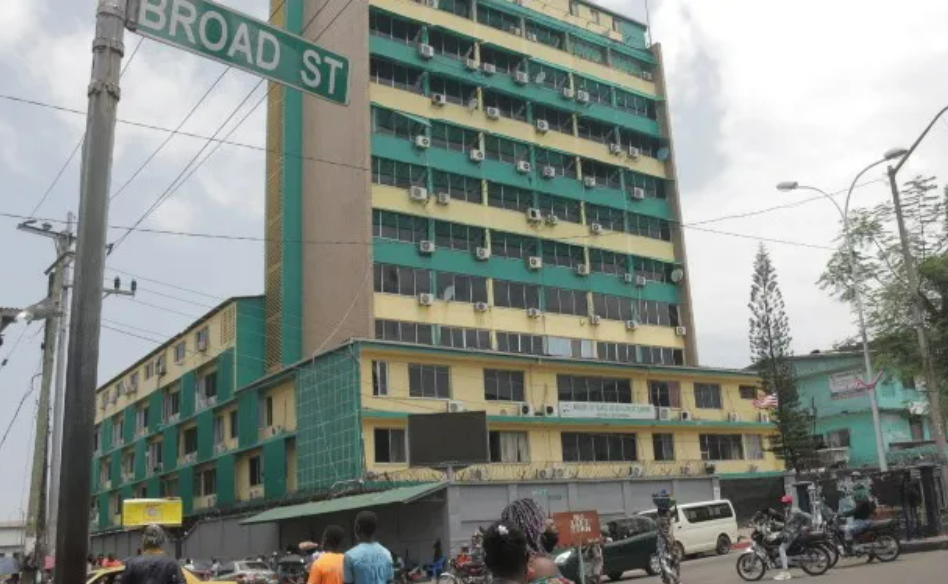
The Liberia Revenue Authority (LRA), which oversees revenue collection, confirmed it had raised US$336 million by May 31, falling short of the US$343 million target projected for this period.
From the Bureau of State Enterprises, of the 20 SOEs analyzed, only 11 submitted quarterly reports, with a mere four submitting them on time. These enterprises were expected to contribute US$12.37 million but managed only US$8.49 million, creating a deficit of nearly US$3.88 million, implications of the shortfall.
This financial downturn comes in the wake of Liberia’s enrollment into a record-breaking FY2025 National Budget, recently signed into law by President Boakai at US$880,661,874—an increase of 15.3 percent from the previous budget.
Approximately 88 percent of this budget is allocated to recurrent expenditures, including US$153 million for debt servicing and funds for substantial salaries and operational costs.
Lawmakers are increasingly wary that sustained underperformance in revenue collections could jeopardize the delivery of crucial services and the realization of developmental programs laid out in President Boakai’s ARREST agenda.
Lawmakers Demand Accountability for SOE Leadership
Tensions rose during the House session, with some lawmakers accusing SOE leadership of deliberately undermining the government’s financial plans. Rep. Moima Briggs Mensah proposed harsh measures against heads of non-compliant SOEs, suggesting they be summoned and held in contempt for failing to meet fiscal responsibilities.
Following her declaration, Rep. Musa Hassan Bility insisted that the LRA be called upon to explain the situation throughout these agencies. A subsequent motion was adopted to mandate the committee to engage President Boakai to explore punitive actions against defaulting SOEs.
Addressing Legal Gaps and Revenue Leakages, the committee uncovered several weaknesses within the country’s financial structure, including the failure of some entities to remit withholding taxes and the lack of tax payments from certain sectors, notably the Judiciary. Minimal collections from real estate taxes and inadequate reporting of internally generated revenues from various ministries further underscore the issue.
Rep. Jury denounced these practices as tantamount to criminal activity, equating the withholding of remittances from salaries to theft. The committee argued for immediate amendments to close gaps in Liberia’s financial laws, including significant reforms to the Public Financial Management and National Road Fund Acts.
Future Measures for Compliance and Fiscal Integrity, to tackle these pressing issues, the committee has proposed a series of measures aimed at enhancing fiscal responsibility.
They urged immediate meetings with President Boakai to address SOE non-compliance, enforce tax collections, and insist on more stringent oversight. They also called for ongoing reconciliations between the LRA and the MFDP, as well as increased operational support for revenue-collecting agencies.
As Liberia aims to raise its national budget to the ambitious target of US$1 billion, achieving substantial compliance and discipline within SOEs is critical. “This is a wake-up call,” Rep. Jury cautioned. “We cannot afford to lose ground on our developmental objectives due to institutional laxity and a disregard for fiscal responsibility.”