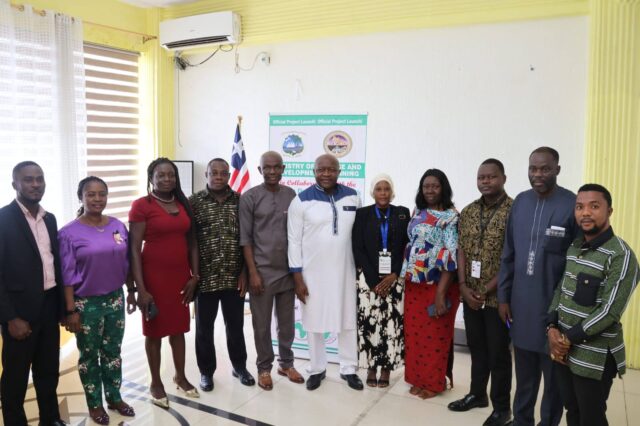
MONROVIA, Liberia — The Government of Liberia has taken a major step toward strengthening fiscal governance and institutional accountability with the launch of two African Development Bank-financed reform projects aimed at enhancing domestic revenue mobilization and improving debt and ownership transparency.
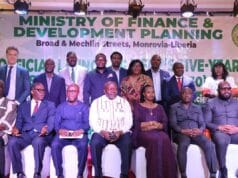
The projects—the Institutional Support for Enhanced Domestic Revenue Mobilization and Reform Implementation Project (ISEDRMP) and the Debt and Ownership Transparency Technical Assistance Project (DOT-TAP)—were officially unveiled Thursday at the Corina Hotel, marking a coordinated, multi-institutional approach to public finance reform.
Together, the initiatives will support 14 government institutions, including the Ministry of Finance and Development Planning, Liberia Revenue Authority, Liberia Anti-Corruption Commission, Financial Intelligence Agency, Judiciary, Liberia National Police, Ministry of Mines and Energy, Liberia Extractive Industries Transparency Initiative, Ministry of Labor, Environmental Protection Agency, and the Office of the President.
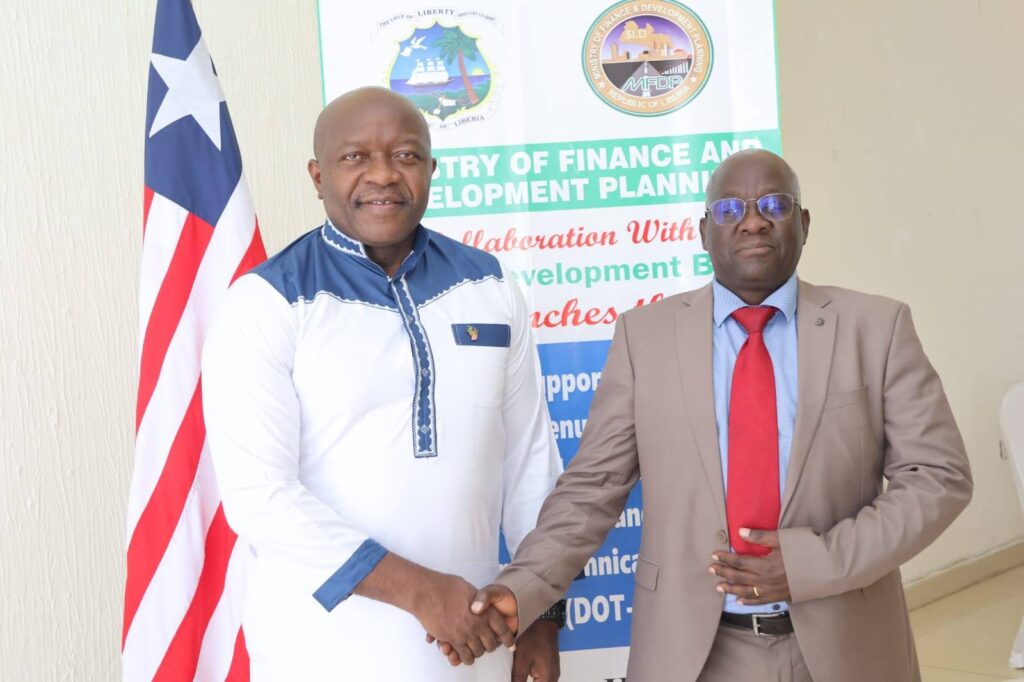
Deputy Finance Minister Anthony Myers underscored that revenue mobilization is not the sole responsibility of the Ministry of Finance or the tax authority, but a shared national obligation.
“The presence of the Judiciary, Ministry of Justice, law enforcement agencies, and anti-corruption institutions here today shows that domestic revenue mobilization is a whole-of-government effort,” Myers said.
The ISEDRMP, valued at US$18.3 million, will be implemented over four years and focuses on tax policy reform, public financial management, extractive-sector transparency, judicial and law-enforcement capacity building, and anti-corruption enforcement. The DOT-TAP, a US$1.3 million grant, targets debt reporting, monitoring, and beneficial ownership disclosure to curb illicit financial flows and improve fiscal credibility.
Justice Minister Cllr. N. Oswald Tweh described the projects as critical to strengthening law enforcement and judicial effectiveness in combating financial crimes.
“These reforms will improve investigations, prosecutions, and asset recovery while reinforcing public trust in state institutions,” Tweh said.
Liberia Anti-Corruption Commission Executive Chairperson Cllr. Alexandra Zoe said the initiatives represent an investment not just in institutions, but in Liberia’s democratic governance and development aspirations.
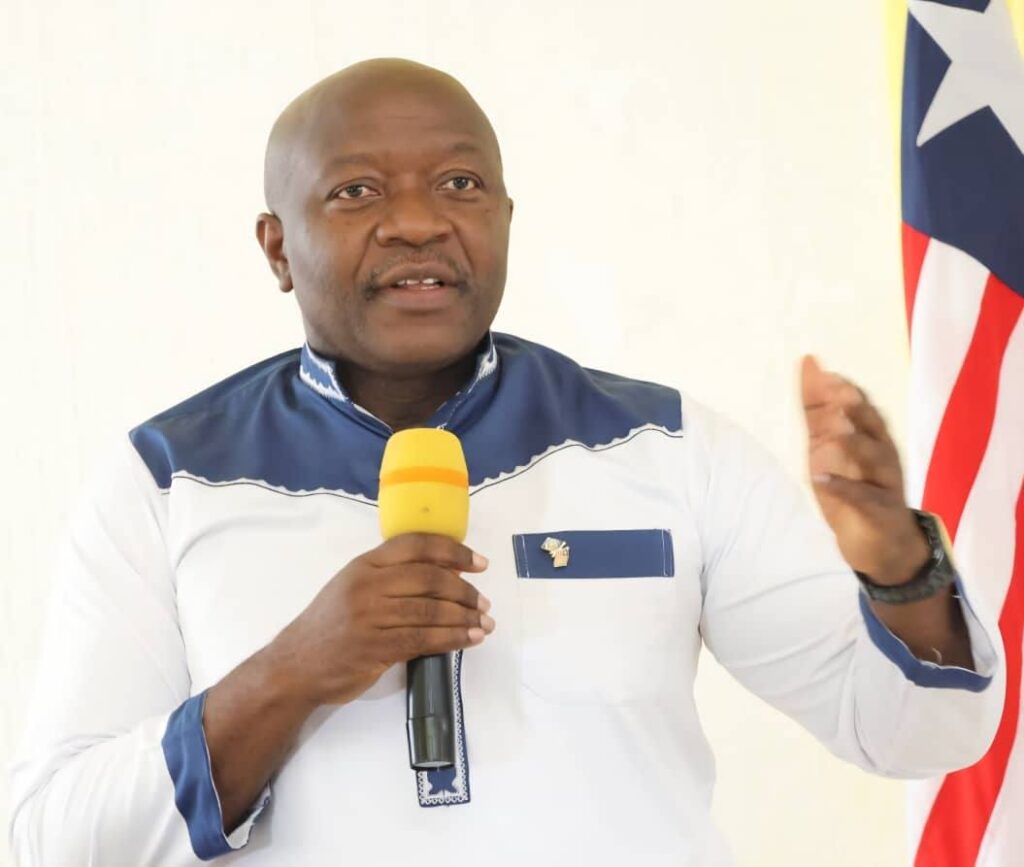
“Corruption undermines development and public confidence,” she noted. “This support strengthens our capacity to protect public resources and ensure accountability.”
The African Development Bank, represented by John Bosco Bukenya, emphasized the importance of timely implementation and disbursement, warning that undisbursed funds ultimately cost the Liberian people.
“These projects are not about launches; they are about results,” Bukenya said. “Liberia is rich in resources. With strong systems and discipline, those resources can finance development.”
Judiciary officials welcomed the digitization components, noting that improved case management and electronic record-keeping will reduce delays and strengthen enforcement of fiscal and commercial laws.
The projects align with President Joseph Nyuma Boakai’s ARREST Agenda for Inclusive Development, particularly its emphasis on accountability, transparency, and sustainable financing for national priorities.
Government officials expressed optimism that successful implementation will expand fiscal space, improve service delivery, and enhance investor confidence—positioning Liberia on a stronger path toward self-reliant growth.
Follow The Liberian Post on Facebook and X (formerly twitter)