MONROVIA — The Liberia Revenue Authority (LRA) has announced a historic milestone in Liberia’s fiscal performance, recording approximately US$818 million in domestic revenue collections for 2025—exceeding the approved target of US$804.6 million by US$13.4 million. The achievement marks the highest domestic revenue outturn in Liberia’s history and the second consecutive year the Authority has surpassed its annual target.
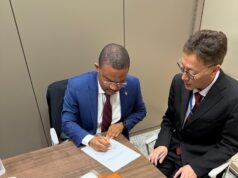
Delivering the performance update on Monday, December 29, LRA Commissioner General James Dorbor Jallah said the results reflect years of institutional reform focused on compliance, modernization, and accountability. Compared with 2024’s outturn of US$699 million, the 2025 performance represents an increase of more than US$119 million, underscoring what the LRA described as strengthening domestic resource mobilization amid operational constraints.

The Commissioner General credited the milestone to professionalism across the revenue value chain, noting that the LRA delivered despite limited financial, logistical, and human resource capacity. He praised staff deployed nationwide—from headquarters to ports, borders, counties, and field offices—for long hours and integrity in service, and acknowledged collaboration with other government entities involved in customs, enforcement, and revenue administration.
Looking ahead, the Government of Liberia has set a record domestic revenue target of US$1.176 billion for 2026, a goal that has drawn public debate given prevailing global and domestic economic conditions. The LRA said it remains focused on its mandate and will intensify reforms to meet the challenge, including expanded digital transformation, greater automation, data-driven compliance management, and continued modernization of taxpayer services. The Authority also confirmed preparations for the introduction and effective administration of Value Added Tax (VAT), alongside nationwide taxpayer education to support compliance and inclusivity. Commissioner General Jallah emphasized the importance of sustained institutional support for LRA staff welfare and operations, and extended gratitude to compliant taxpayers for honoring their civic responsibilities amid economic pressures. He encouraged broader participation—particularly from the informal sector—to widen the tax base, reduce pressure on compliant taxpayers, and support sustainable development. Reaffirming commitments to fairness, integrity, transparency, and excellence, the LRA called for continued partnership among public institutions, the private sector, development partners, and citizens as Liberia advances toward greater fiscal self-reliance.