MONROVIA — Liberia is poised for a major political reconfiguration after the House Committee on Elections, Inauguration, and Judiciary approved the creation of 14 new electoral districts based on population shifts revealed by the 2022 national census. The expansion will raise the membership of the National Legislature from 73 seats to 87 seats, a change aimed at improving proportional representation and ensuring that growing populations are better represented.
Census Results Drive Redistribution
The reallocation follows the completion of the 2022 Liberia Population and Housing Census, which found the country’s population has surged to approximately 5.25 million people — up nearly 50 percent since the last census in 2008. And, from 2022, to now, the population has increased to 5.7 million.
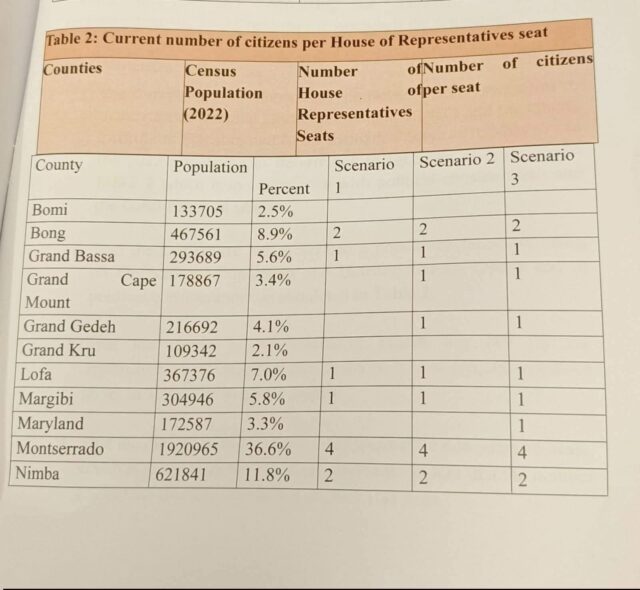
According to LISGIS data, counties with the largest populations remain the top beneficiaries of additional legislative representation. The electoral district increase will be distributed as follows:
- Montserrado County — plus 4 seats
- Nimba County — plus 2 seats
- Bong County — plus 2 seats
- Grand Gedeh County — plus 1 seat
- Lofa County — plus 1 seat
- Margibi County — plus 1 seat
These changes reflect significant population growth in both urban and rural counties over the last 14 years.
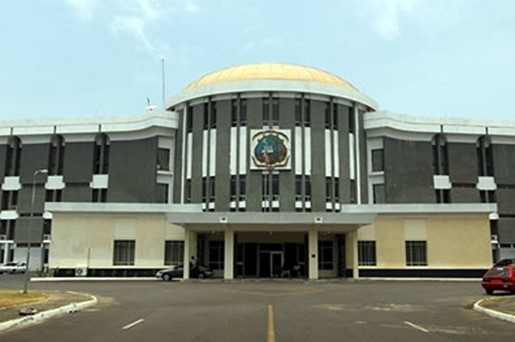
Montserrado Continues to Dominate — But Voices Grow in Interior Counties
Montserrado remains Liberia’s most populous county, with 1.92 million residents, according to the 2022 census — roughly 36.6 percent of the national population. The addition of four new districts there underscores its continued demographic and political significance.
But the expansion is not limited to the capital region:
- Nimba, the country’s second-most populous county with over 620,000 people, will gain two seats.
- Bong County, with around 467,500 inhabitants, also receives two additional districts.
- Counties like Grand Gedeh (≈ 216,692 people), Lofa (≈ 367,376), and Margibi (≈ 304,946) each gain one seat — an acknowledgement of their growing populations and rising importance in national decision-making.
Proponents of the expansion argue it will give rural and under-represented areas a stronger voice in national governance and ensure lawmakers more accurately reflect the demographic realities of their constituencies.
Implications for Representation and Governance
The increase in legislative seats is expected to have several significant impacts:
- Enhanced Representation: More lawmakers could improve constituents’ access to government and reduce overburdened districts, especially in fast-growing counties.
- Balanced Resource Allocation: With new districts, formerly underrepresented communities may gain better political leverage to demand public services, infrastructure, and government attention.
- Increased Political Competition: More seats can open the field to new political actors, potentially stimulating greater civic engagement and accountability.
- Governance Challenges: Expanding the legislature also raises questions about increased government expenditure and the logistical demands of managing a larger legislative body.
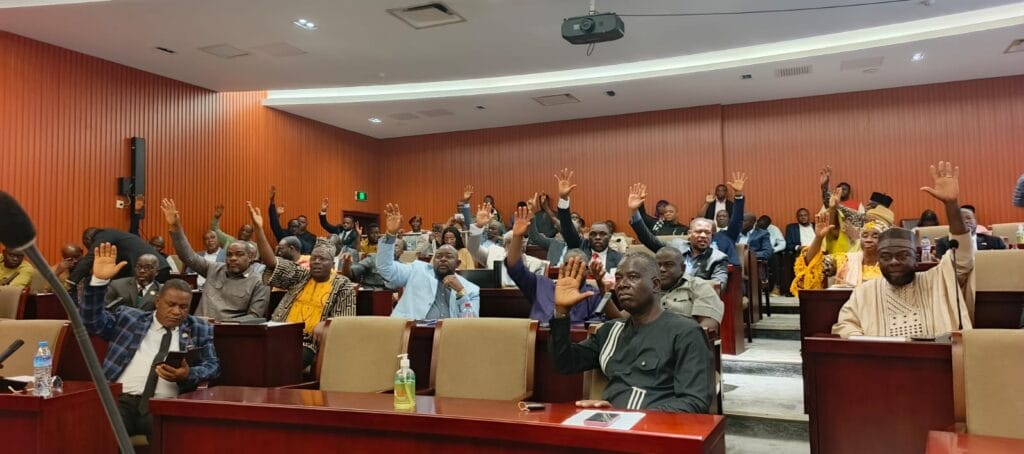
Calls for Transparency and Consolidated District-Level Data
Some civic groups and opposition figures have called for the full release of population statistics by electoral district, arguing that detailed data is essential for fair demarcation, voting, and resource allocation. In July 2023, the plenary of the House of Representatives passed a resolution directing LISGIS to provide a full district-by-district breakdown of census results.
The group noted that detailed district-level data, alongside the new seat allocation, would help ensure that future elections are conducted with fairness and legitimacy, prevent gerrymandering, and improve the targeting of social services.
A New Political Era Begins
With the creation of 14 new electoral districts and a larger legislature, Liberia enters a new political chapter — one that seeks to bring governance closer to the people, redistribute representation in line with demographic changes, and meet the expectations of a rapidly growing population.
Whether this redistricting will translate into improved governance, better service delivery, and stronger democracy will largely depend on how transparently the new districts are delineated, how effectively the new lawmakers engage their constituents, and how government institutions adapt to a larger legislative assembly.
For now, the 2022 census and its aftermath signal a profound shift in Liberia’s representative architecture — one rooted in data, demographic realities, and a push for more inclusive political participation.