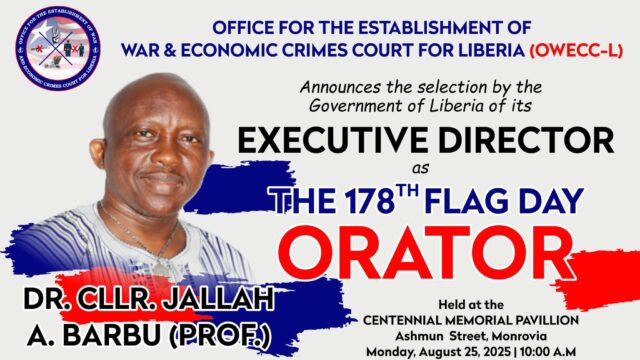
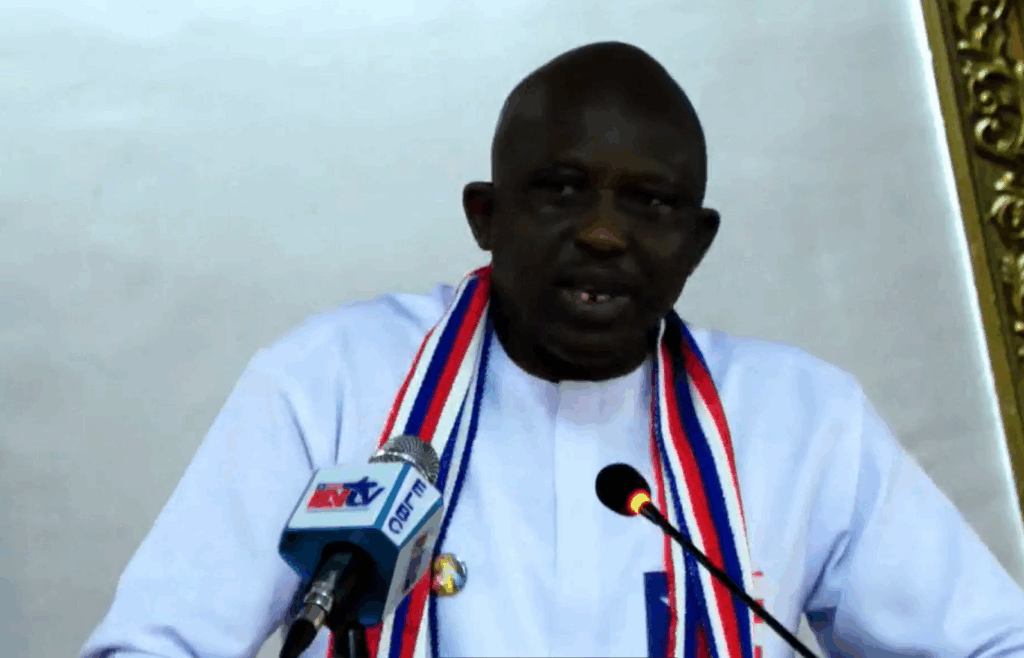
MONROVIA, LIBERIA — Liberia is set to take two historic steps toward justice and accountability with the planned establishment of a National Anti-Corruption Court in November 2026 and a War and Economic Crimes Court in November 2027, according to Cllr. Jallah A. Barbu, who delivered the keynote address during the 178th National Flag Day celebration on Monday.
Cllr. Barbu, head of the Office for the Establishment of the War and Economic Crimes Court (OWECC-l), and a prominent legal scholar, underscored the urgency of these long-anticipated institutions, stating that they are critical to restoring the rule of law, combatting entrenched corruption, and addressing the legacy of Liberia’s brutal civil conflicts.
“This is a Liberian-owned and Liberian-led initiative,” Cllr. Barbu emphasized. “The political will is here, and the legal frameworks are aligning — but we must take ownership and ensure that these institutions are fully supported, funded, and independent.”
Barbu confirmed that President Joseph Nyuma Boakai has expressed strong political backing for the establishment of both courts. He called on all branches of government, especially the Legislature, to demonstrate the same level of commitment and to ensure sustained funding, collaboration, and legal oversight.
Historical Context: A Long Road to Justice
The announcement marks a major turning point in Liberia’s post-war journey. Liberia’s two rounds of civil wars (1989–1997 and 1999–2003) claimed an estimated 250,000 lives and left the country deeply scarred by mass atrocities, including rape, torture, forced labor, and the recruitment of child soldiers. Despite the scale of human rights violations, no war crimes tribunal has ever been set up to hold perpetrators accountable — until now.
The 2009 Truth and Reconciliation Commission (TRC) report recommended the creation of a War and Economic Crimes Court to prosecute individuals responsible for war-time atrocities and grand corruption. However, the recommendations were largely ignored by previous administrations, including those of Ellen Johnson Sirleaf and George M. Weah, sparking criticism from civil society and the international community.
It wasn’t until early 2024 that momentum picked up again. In April 2024, President Boakai signed Executive Order No. 148, formally establishing the Office of the War and Economic Crimes Court (OWECC). The order outlines administrative and funding structures, laying the foundation for the eventual formation of the court itself.
Call for Action: ‘Executive Orders Must Be Respected’
Barbu used the national platform to urge the Boakai administration to implement the provisions of Executive Order No. 148 without delay. He warned that ignoring executive mandates and laws is a form of impunity and a symptom of institutional corruption.
“The enforcement of executive orders must not be optional. Public officials who disregard the law are not just negligent — they are actively undermining our democracy,” he said.
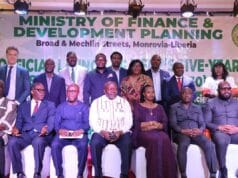
He urged the Ministry of Finance and Development Planning and the Legislature to prioritize budgetary allocations to ensure the courts become operational on schedule. He also called for transparency and civil society engagement throughout the process.
National Effort, Not Presidential Legacy
Barbu was quick to clarify that the courts must not be seen as a political tool or a legacy project of President Boakai, but rather as a national endeavor owned by all Liberians.
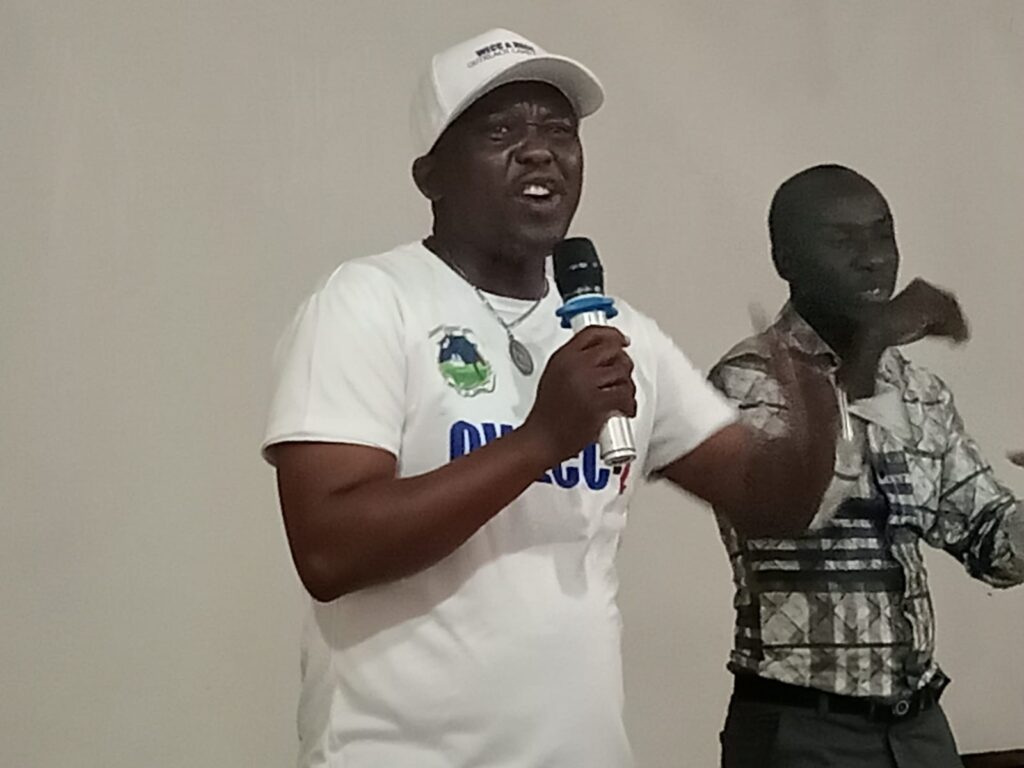
“Justice is not a favor granted by one administration; it is a right that our people have been denied for too long,” he said. “This effort should be embraced and institutionalized by all arms of government and all political parties.”
Looking Ahead: A Test of National Will
As Liberia stands on the cusp of establishing long-overdue accountability mechanisms, the success of these courts will depend not only on the commitment of leaders but also on the vigilance of the people. Civil society organizations, international partners, and ordinary Liberians must continue to advocate for justice, transparency, and sustained reform.
The establishment of the Anti-Corruption Court and the War and Economic Crimes Court represents a rare opportunity — perhaps the most important in a generation — to break the cycle of impunity that has undermined Liberia’s democracy and development for decades.
If fully realized, these courts could become powerful symbols of national healing, rule of law, and the enduring belief that no one is above accountability and or the LAW. ALASKAI MOORE JOHNSON CONTRIBUTED HEAVILY TO THIS ARTICLE.