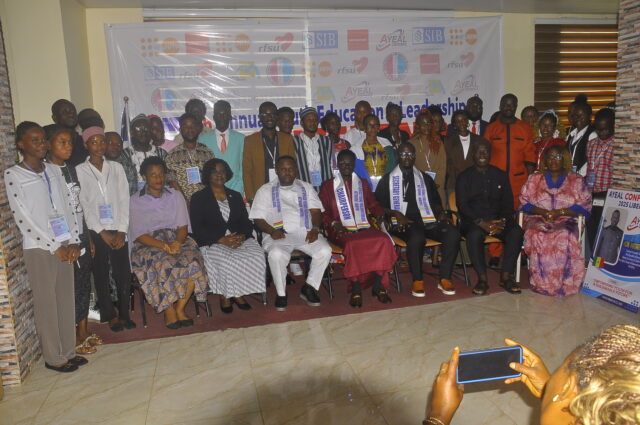
-Pledge Stronger Laws and Funding for Youth Empowerment
GANTA, Nimba County – Government officials, a UN representative and young parliamentarians from four West African countries have pledged to work together to turn existing youth and gender commitments into concrete laws, budgets and programs, using the 7th Annual Youth Education and Leadership Conference (AYEALC) in Ganta as a springboard.
UNFPA Resident Representative Dr. Mady Biaye used his opening address to frame the challenge bluntly: regional instruments exist, but implementation is lagging.
“Your role is absolutely vital,” he told ministers, lawmakers and policymakers. “You are the custodians of policy. You must translate international and regional commitments such as the ECOWAS Youth Policy and the African Youth Charter from paper to practice.”
He said the conference is “tasked with developing advocacy roadmaps and a monitoring framework” and urged leaders to use the outcomes to “enact legislation that invests purposely in youth‑friendly comprehensive health services and education, protects adolescent girls from gender‑based violence and early marriage, [and] creates space for meaningful inclusive youth participation in all levels of decision‑making.”
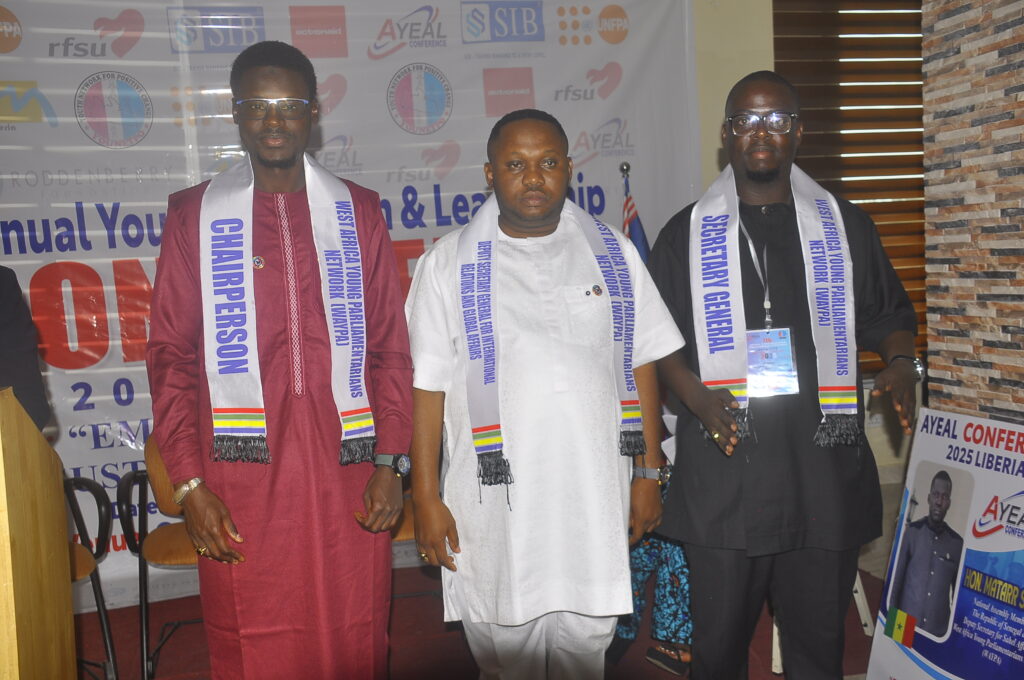
Foreign Ministry Backs Youth Agenda
Ambassador Ethel Davis, deputizing for Foreign Minister Sara Beysolow‑Nyanti, affirmed Liberia’s political backing for stronger youth participation and regional cooperation.
“In a region where more than 60% of our population is under the age of 30, inclusive leadership is not optional, it is a necessity,” Davis said. “Liberia remains fully committed to engaging with youth‑led networks and regional bodies that strengthen our democratic institutions and promote cooperation among young policymakers.”
She hailed the launch of the West Africa Young Parliamentarians Network (WAYPA) as “a platform that unites young parliamentarians from across the sub‑region” and “builds collective solutions to challenges that transcend borders.”
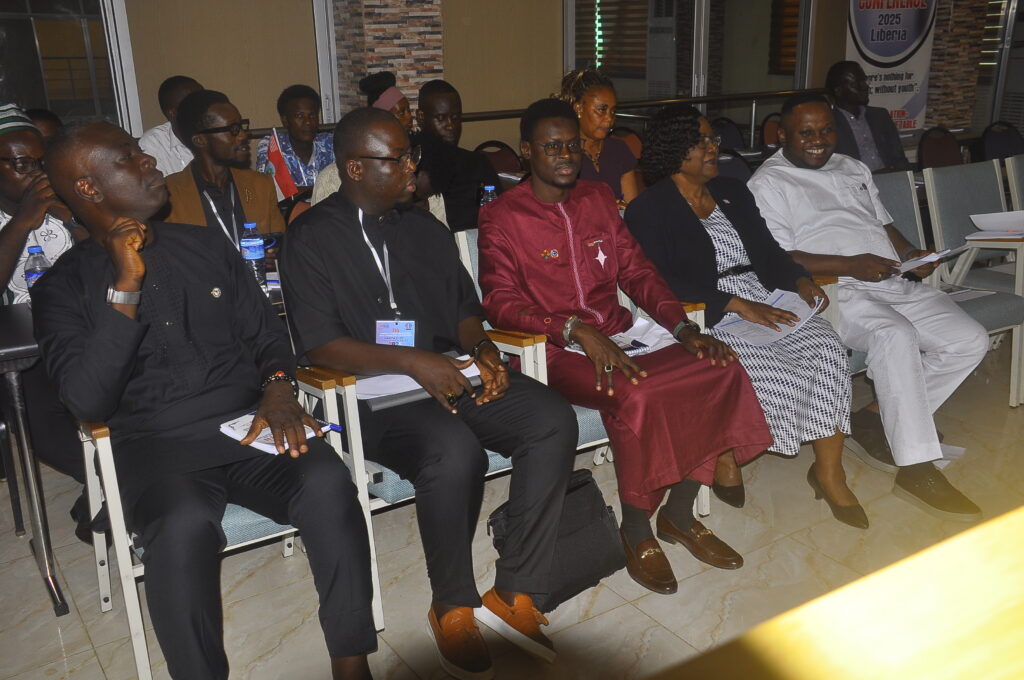
“Let us use this conference as a space to imagine bold futures, to challenge ourselves, and to advance ideas that can be translated into policies,” she added. “Let us continue nurturing leaders who do not only speak of change, but who live it, embody it, and deliver it.”
WAYPA: From Advocacy to Implementation
WAYPA Secretary‑General and conference convener Dr. Leo E. Tiah said the network’s creation is a direct result of youth advocacy at last year’s AYEALC in Buchanan, when delegates called for a “youth‑led network that will further advance youth concerns… within the West African region.”
After 18 months of consultations, he announced, the network is now ready to push for policy and legislative change.
“The launch of WAYPA here today is a testament to the famous slogan that says, ‘There is nothing for youth without youth,’” Tiah declared. “We are united to effectively engage, collaborate, and advocate at national and regional level for policies and law adaptation and implementation within the West Africa region.”
New Chairperson Rep. Abdoulie Njai outlined a detailed agenda to ensure commitments become reality:
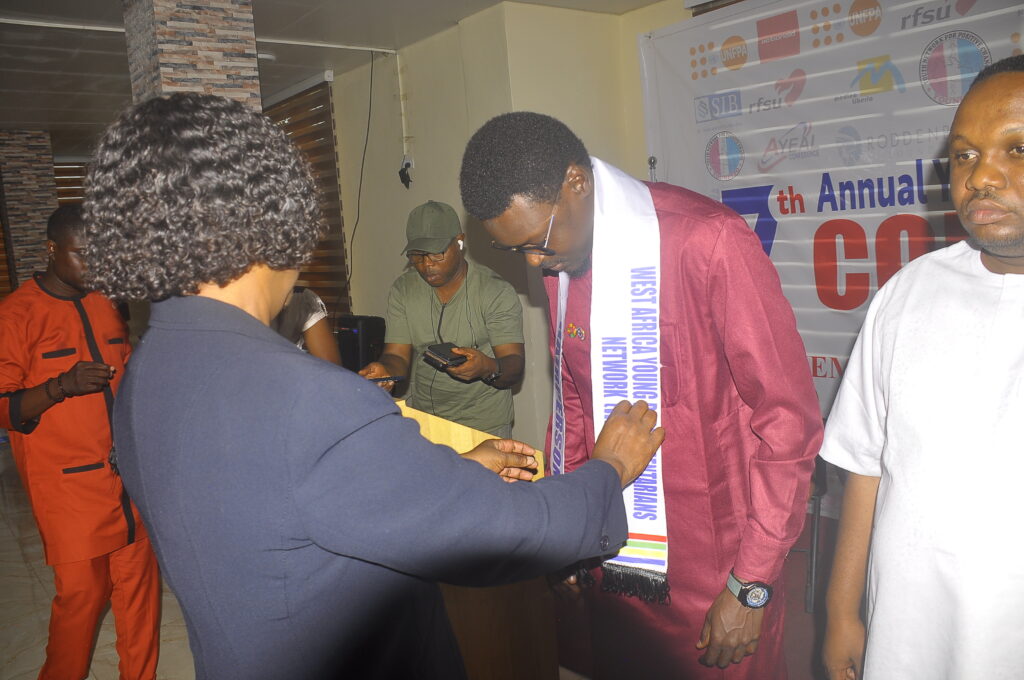
“Our commitment at WAYPA is to translate these advocacies into practical, actionable steps at national and regional levels,” he said. “We will establish dedicated working groups to engage directly with national parliaments, providing technical assistance to draft and pass progressive legislation.”
Njai said the network will also run a “Next Leaders” mentorship program, youth town halls and skills‑building workshops so that young people are prepared to “not only claim a seat at the table but to excel once [they] are there.”
Youth Ministry: ARREST Must Be Measured by Youth Outcomes
Acting Deputy Minister for Youth Development F. Alphonso Y. Belleh tied Liberia’s commitments to President Boakai’s ARREST Agenda for Inclusive Development, pledging that the Ministry of Youth and Sports will work in lockstep with WAYPA and civil society.
“The ARREST framework reminds us that inclusive development is not a privilege for a few; it is a right and a responsibility for all of us,” Belleh said. “In every policy, every program, and every partnership, let us ask: does this empower young women and men to shape their own destinies? Does it open doors rather than close them?”
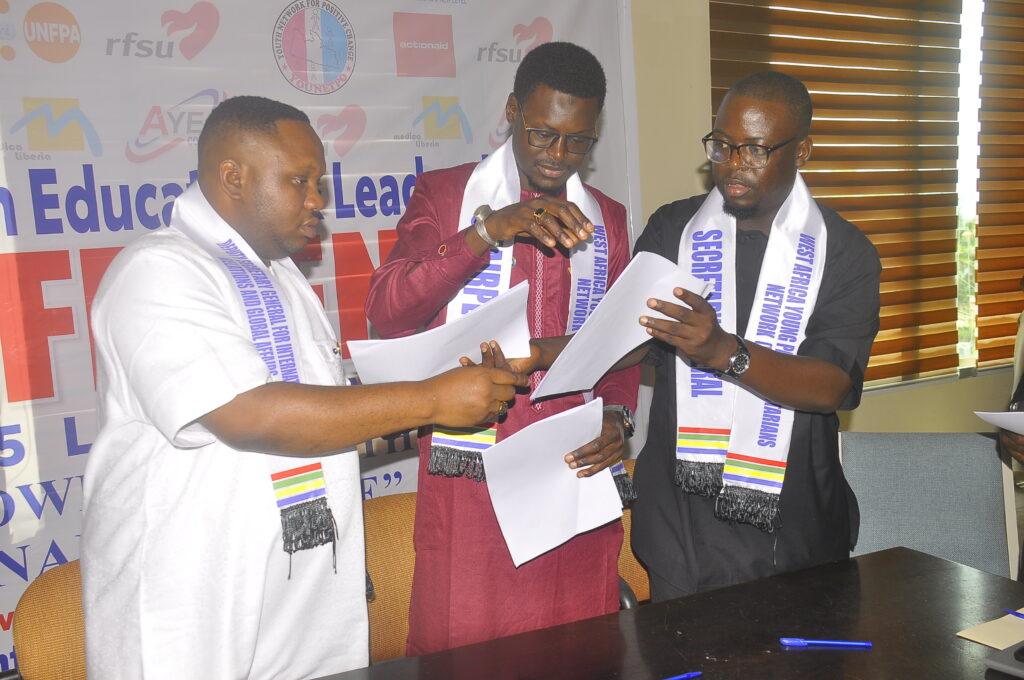
He promised government support for “leadership development, capacity‑building, and public participation that complement the aims of this Network.”
Toward a Shared Accountability Framework
Together, UNFPA, the Foreign Ministry, the Youth Ministry and regional MPs agreed that the real test will be what happens after the conference.
“Let us make this conference a true springboard for action,” Dr. Biaye urged. “UNFPA remains your steadfast partner in advocating for these policies and ensuring that young people, especially adolescent girls, are put at the very center of the region’s development framework.”
Tiah echoed that call, stressing that youth will hold leaders accountable:
“It has not been easy, and it will never ever be easy, but we will continue to fight for our voices to be heard,” he said. “We will continue to fight constructively… so that we can be allies, we can be partners, and we can be at the table—and not only at the table, but meaningfully contribute to what happens at the table.”
As delegates from Liberia, Sierra Leone, The Gambia and Nigeria continue their deliberations in Ganta, organizers say the next step will be to finalize a joint advocacy roadmap and monitoring mechanism—giving both governments and youth a clear set of benchmarks by which to measure progress on laws, budgets and programs for youth empowerment over the coming year.