NEW YORK — Liberia has called on the international community to treat access to education and technology for children in conflict zones as a critical component of global security, warning that the collapse of learning systems during war can fuel instability for generations.
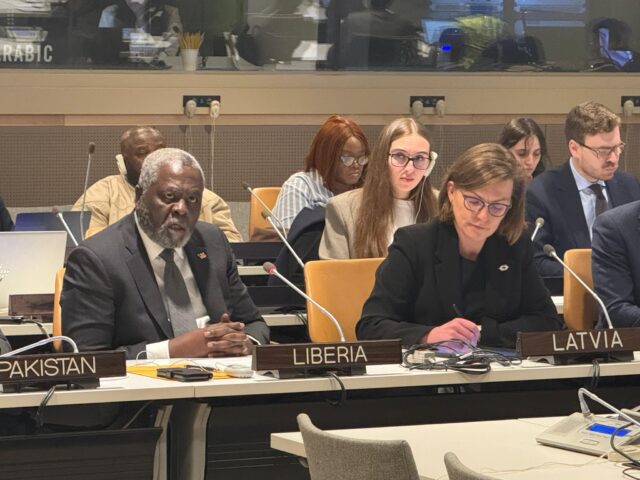
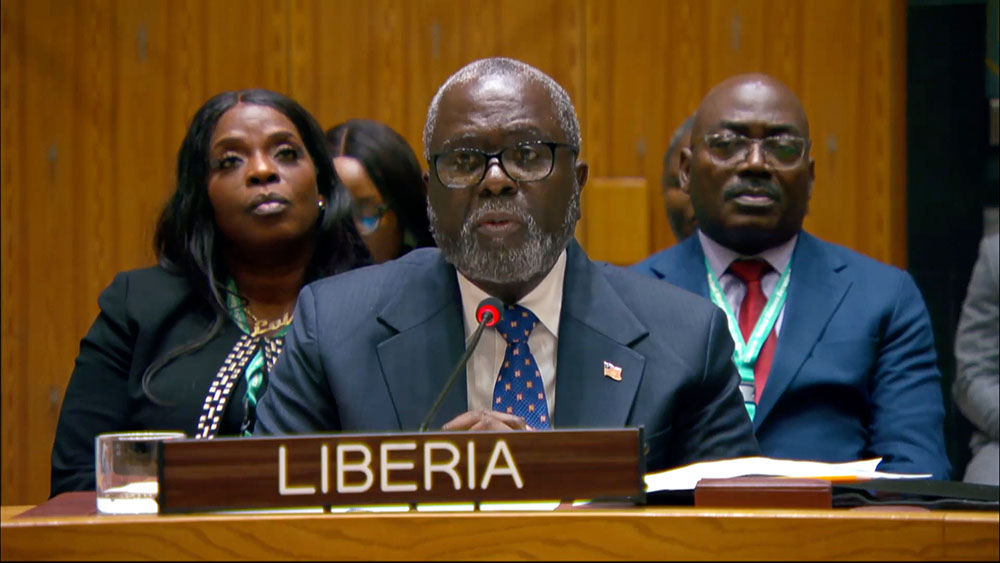
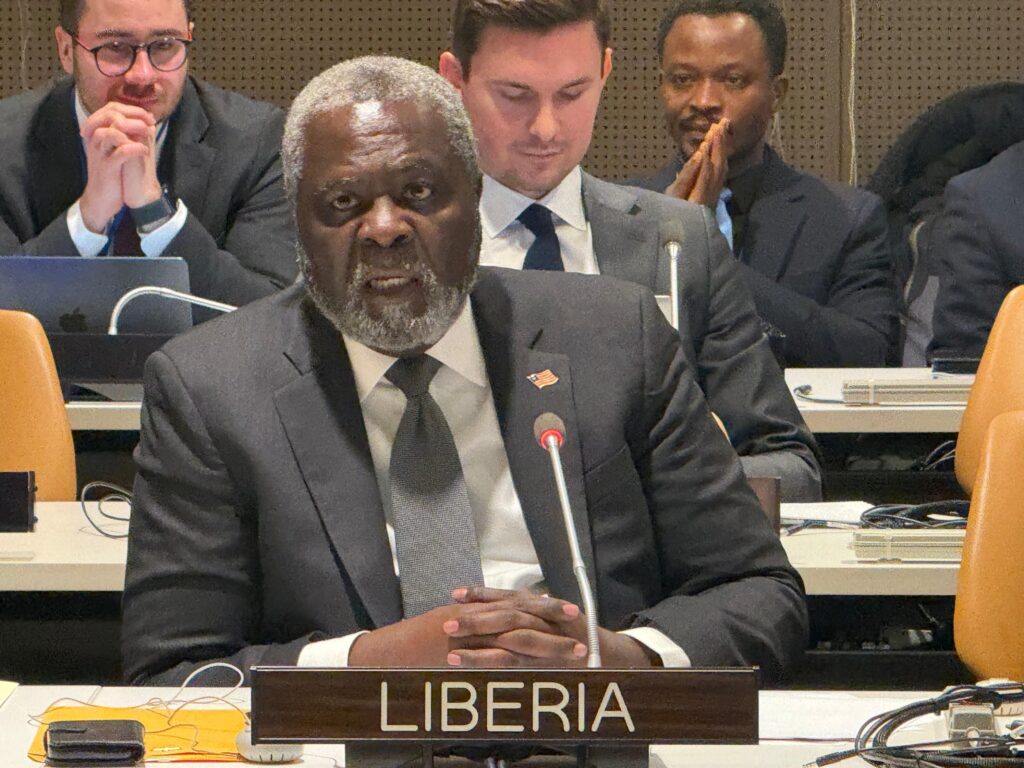
Speaking Monday at the 10,113th meeting of the United Nations Security Council, Liberia’s Permanent Representative to the United Nations, Ambassador Lewis G. Brown II, urged world leaders to prioritize digital education and protection for children affected by conflict.
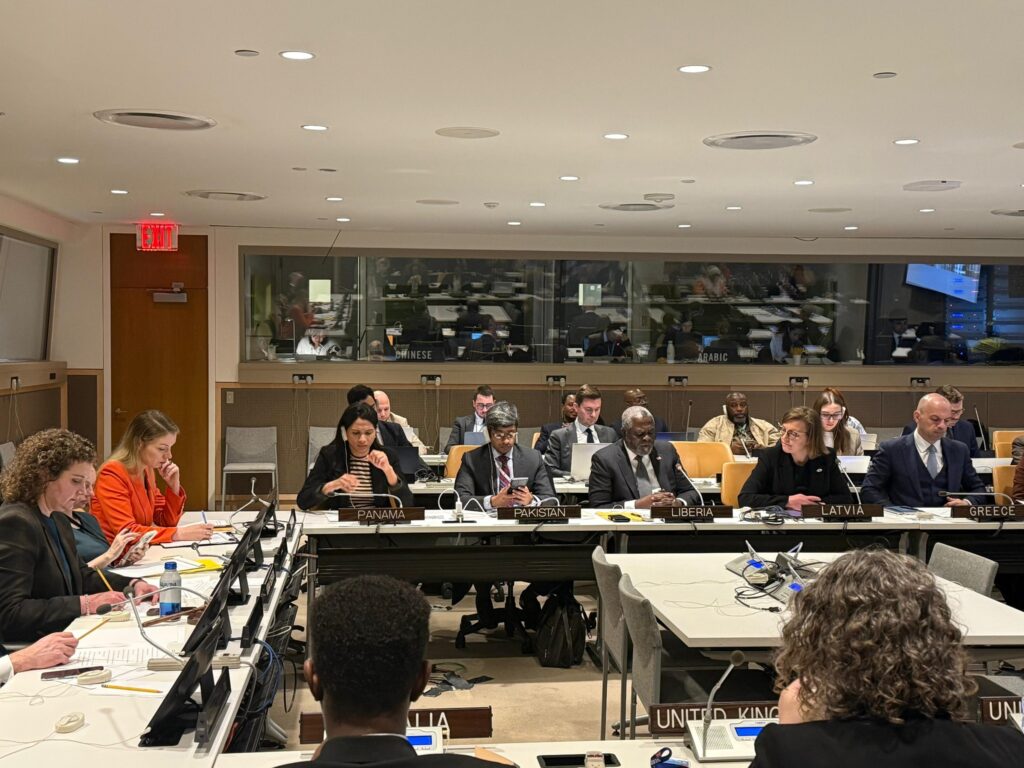
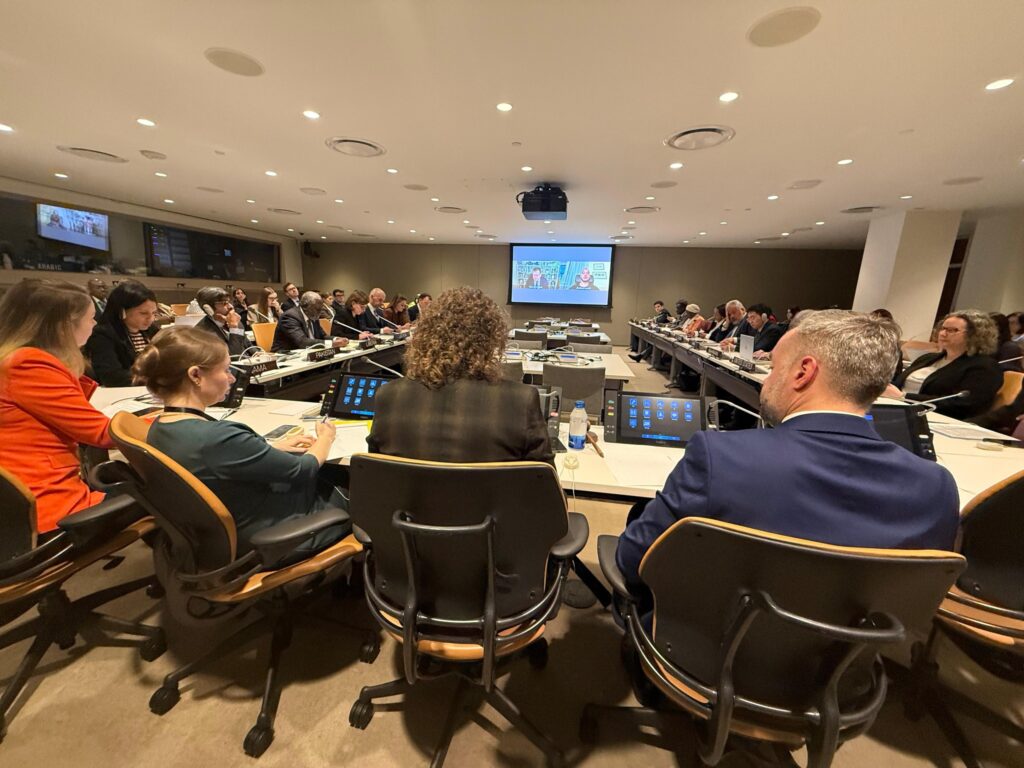
The Security Council session, held under the theme “Maintenance of International Peace and Security: Children, Technology and Education in Conflict,” was chaired by U.S. First Lady Melania Trump, with the United States presiding over the Council for the month of March.
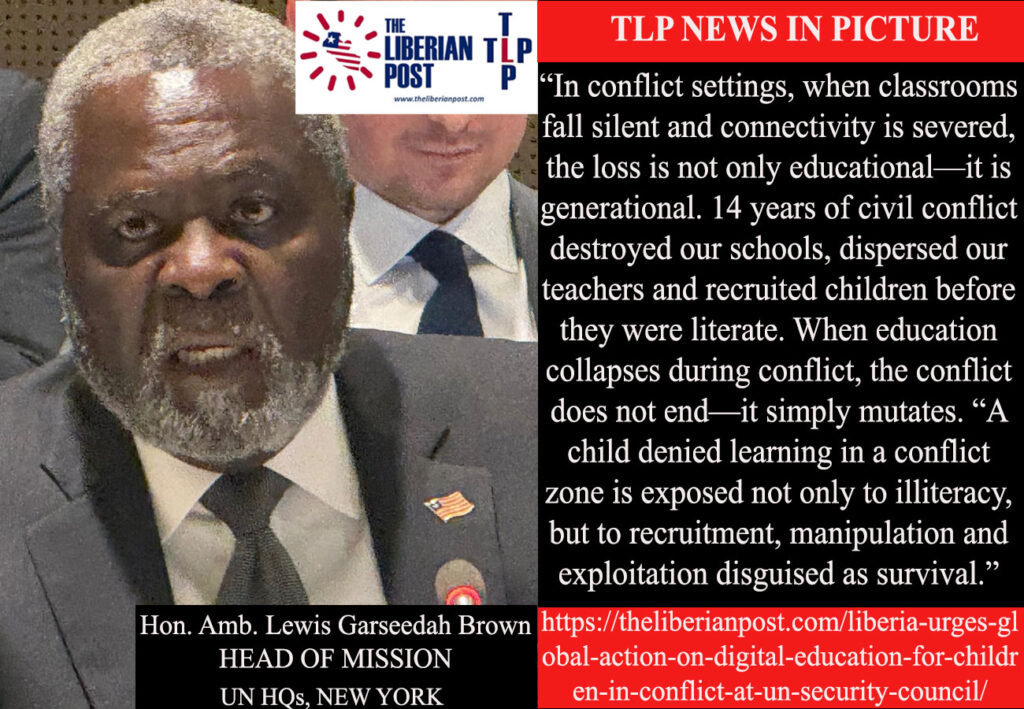
Ambassador Brown thanked the United States for convening the meeting and emphasized that safeguarding education in conflict settings must be viewed not merely as a humanitarian concern but as a matter of international peace and security.
“In conflict settings, when classrooms fall silent and connectivity is severed, the loss is not only educational—it is generational,” Brown told the Council.
Lessons From Liberia’s Civil War
Drawing from Liberia’s own experience during its 14-year civil conflict, Brown described how war destroyed the country’s education system, displaced teachers, and left thousands of children vulnerable to recruitment by armed groups.
“Fourteen years of civil conflict destroyed our schools, dispersed our teachers and recruited children before they were literate,” he said. “When education collapses during conflict, the conflict does not end—it simply mutates.”
The Liberian envoy noted that more than 224 million children worldwide currently live in crisis settings without access to education, calling the situation not only an educational emergency but also a security and generational crisis.
“A child denied learning in a conflict zone is exposed not only to illiteracy, but to recruitment, manipulation and exploitation disguised as survival,” he warned.
Digital Education as a Stabilizing Force
Liberia argued that expanding digital learning opportunities in fragile environments can serve as a powerful tool for peacebuilding.
According to Brown, digital education should be treated as “a stabilizer and a prevention policy,” helping societies transition from ceasefire to long-term resilience.
He cited Liberia’s own innovations during national emergencies, including the use of community radio lessons across counties and solar-powered learning centers that provided education to remote communities without access to electricity.
“Children shared devices, but more importantly they shared knowledge,” Brown said. “Our innovations did not emerge from abundance—they emerged from determination.”
Liberia Proposes Global Solutions
In his address, Brown outlined three proposals Liberia believes the international community should adopt to protect children’s education during conflicts.
First, he called for the creation of a post-conflict digital education recovery fund within existing international financing frameworks to support connectivity, devices, teacher training and child protection systems.
Second, Liberia proposed the development of solar-powered community digital learning hubs designed for fragile and conflict-affected settings. These hubs would provide offline educational materials, teacher training modules and safe digital access points for displaced children.
Third, Liberia urged the formation of a voluntary global coalition of governments, technology experts and educators to develop low-bandwidth learning platforms specifically designed for conflict environments.
“These should not be repurposed systems from stable countries,” Brown said, “but tools engineered for fragility and grounded in child safety.”
Protecting Children in the Digital Age
The Liberian diplomat also warned that technological innovation must not compromise children’s safety and privacy.
He urged the international community to establish safeguards for the use of artificial intelligence and digital technologies in humanitarian education programs, ensuring that vulnerable children are protected from exploitation.
“No child’s privacy, innocence, dignity or safety should be compromised by the very systems meant to support their learning,” he said.
Education as a Path to Peace
Brown concluded by stressing that investment in education—particularly digital education—can help prevent future conflicts by reducing the vulnerability of children to extremist recruitment and exploitation.
“Investing in digital education in fragile contexts reduces the pool from which armed groups recruit,” he said. “It strengthens girls’ autonomy and builds communities that choose ballots over bullets.”
Reflecting on Liberia’s own transformation from a war-torn nation to a contributor to international peacekeeping, Brown said education played a decisive role in the country’s recovery.
“Liberia stands as evidence that recovery is possible when the world invests early and wisely,” he said.
He urged the Security Council and international partners to treat digital education as an essential component of peacebuilding and conflict prevention.
“If we fail children in conflict today,” Brown warned, “we will debate the crisis of the society they inherit tomorrow.”
Follow The Liberian Post on Facebook and X (formerly twitter)