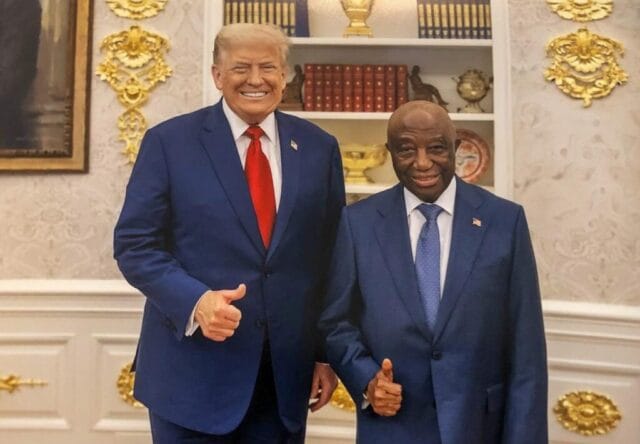
MONROVIA, Liberia — President Joseph Nyuma Boakai, Sr. has hailed the decision of the United States Department of State to extend the validity period of certain nonimmigrant visas for Liberians from 12 months to 36 months, describing it as a reaffirmation of the “deep and historic bond” between the two nations.
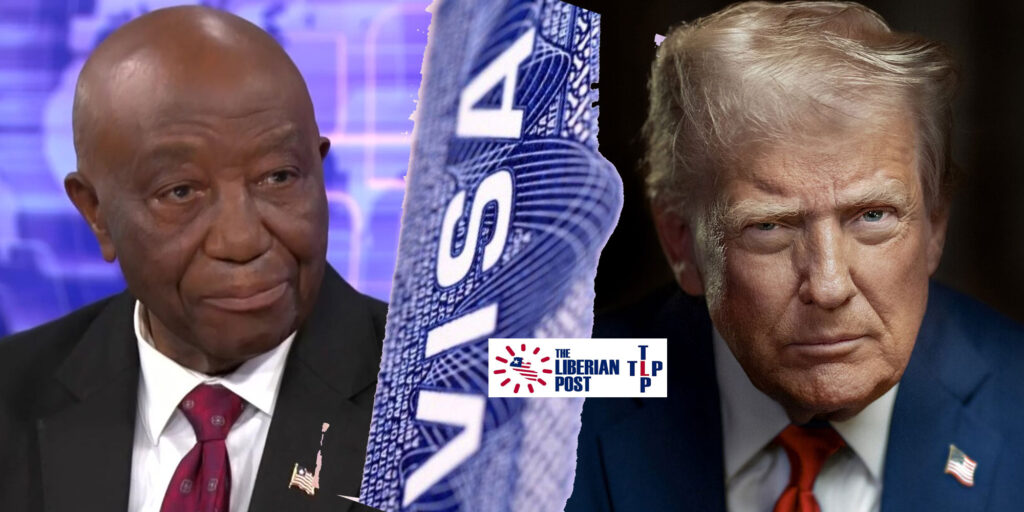
In an announcement released by the U.S. State Department, the new visa reciprocity schedule—effective immediately—extends the validity of B1 (Business), B2 (Tourism), and B1/B2 (Business and Tourism Combination) visas for qualified Liberian applicants. These visas will now be issued as multiple-entry visas valid for three years, with no reciprocity fee attached, making travel between Liberia and the United States easier and more predictable.
A Boost for Bilateral Cooperation
President Boakai welcomed the policy shift as “a clear demonstration of the strong and enduring partnership between Liberia and the United States, grounded in mutual respect, shared democratic values, and a common vision for progress.”
He emphasized that the decision will enhance trade, investment, education, and cultural exchange, opening broader opportunities for Liberians and deepening ties that have defined the relationship between the two countries for nearly two centuries.
“This new arrangement reflects growing confidence in Liberia’s stability, governance, and international re-engagement,” President Boakai said. “It opens new doors for our citizens to explore educational, cultural, and economic opportunities while strengthening our bilateral cooperation with the United States.”

A Partnership Rooted in History
Liberia and the United States share one of the longest-standing bilateral relationships in Africa — a partnership dating back to Liberia’s founding in the 1820s, when freed African Americans helped establish the West African nation. Over the decades, the United States has been a critical ally in Liberia’s development, peacebuilding, and democratic recovery.
During and after the country’s civil conflicts, the U.S. played a key role in peacekeeping efforts, reconstruction, and post-war recovery. American support has continued through major assistance programs such as the Millennium Challenge Corporation (MCC), USAID development initiatives, and the President’s Malaria Initiative (PMI).
The new visa policy builds on this legacy of cooperation, reinforcing people-to-people connections and facilitating movement between citizens of both nations for business, education, tourism, and family reunions.
Foreign Ministry Commends the Move
Liberia’s Minister of Foreign Affairs, Madam Sara Beysolow-Nyanti, welcomed the development as a milestone in the Boakai Administration’s ongoing effort to deepen global partnerships.
“This decision by the U.S. Government underscores the renewed international confidence in Liberia’s governance and progress,” Madam Nyanti said. “As we drive President Boakai’s foreign policy vision, we will continue to engage with the United States and other partners to expand areas of mutual cooperation and create tangible benefits for Liberians at home and abroad.”
Strengthening Modern Ties
The visa extension announcement comes at a time when the Boakai Administration is prioritizing international re-engagement under its ARREST Agenda, emphasizing diplomacy, economic growth, and regional leadership.
Analysts note that the new policy could encourage greater private sector collaboration, attract Liberian diaspora investment, and stimulate tourism, all of which are key to the government’s broader development objectives.
The U.S. Embassy in Monrovia has consistently expressed support for Liberia’s democratic trajectory, transparency reforms, and human capital development — priorities that align closely with the Trump Administration’s Africa policy goals.
As Liberia continues to rebuild its post-pandemic economy, the extended visa validity represents not just a procedural change, but a diplomatic signal of enduring friendship and trust.