— Amid Alleged Plan to Forge ‘Presidential Immunity’ Letter in US$500K, L$1.05B Theft Case
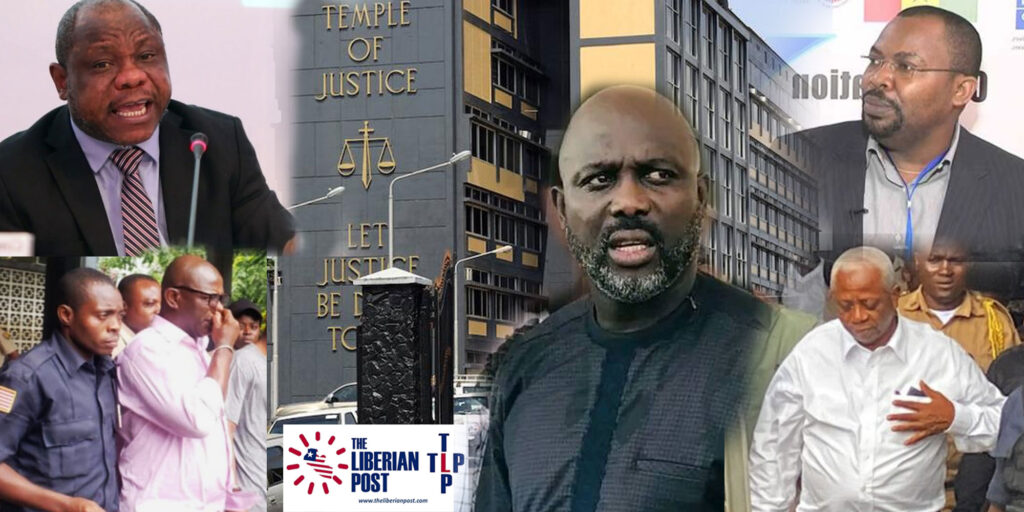
MONROVIA – Following the Supreme Court of Liberia’s recent decision denying a writ of prohibition filed by former government officials, including former Finance and Development Planning Minister Samuel D. Tweah, public pressure is mounting for the full prosecution of the accused in a high-profile financial misconduct case pending before Criminal Court ‘C’.
The Supreme Court’s ruling cleared the way for the continuation of proceedings in the alleged illegal transfer of US$500,000 and L$1,055,152,540 from the Central Bank of Liberia (CBL). In the wake of that decision, journalists have reported troubling allegations that associates of former President George Manneh Weah may be attempting to fabricate a backdated “presidential immunity” letter to retroactively justify the disputed transactions.
On Tuesday, December 30, 2025, callers participating in the popular SKY FM 107.1 “50–50” radio program spoke almost unanimously, urging the Government of Liberia to allow the case to proceed without interference and to reject any alleged attempts to introduce fabricated evidence when the matter resumes, likely during the February 2026 Term of Court.
Indictment and Allegations
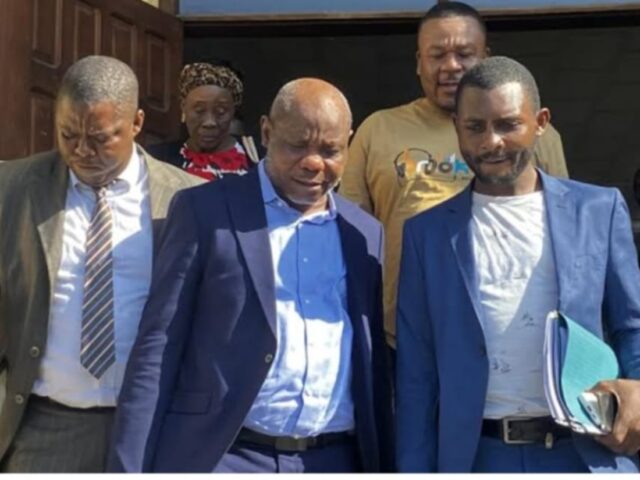
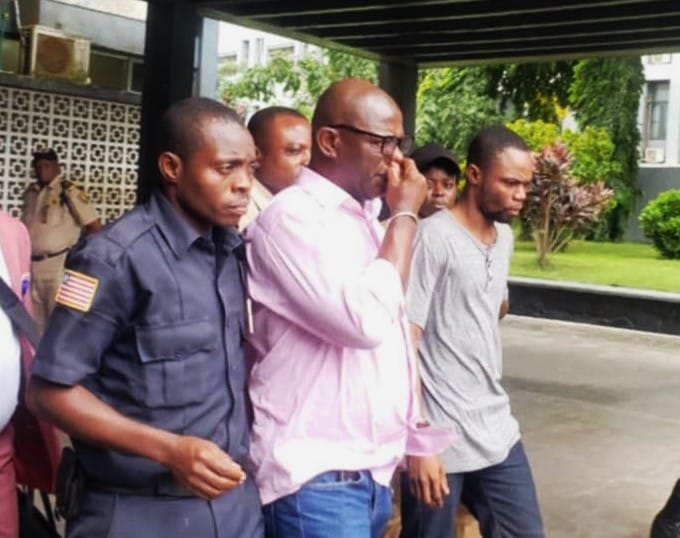
Former Minister Tweah is jointly indicted alongside Cllr. Nyanti Tuan (former Acting Minister of Justice), Stanley S. Ford (former Director-General of the Financial Intelligence Agency), D. Moses P. Cooper (former FIA Comptroller), and Jefferson Karmoh (former National Security Advisor).
The Liberia Anti-Corruption Commission (LACC) charges the defendants with Economic Sabotage, Theft, Illegal Disbursement and Expenditure of Public Funds, Criminal Conspiracy, Misuse of Public Money, and Criminal Facilitation. Prosecutors allege that the defendants violated the Financial Intelligence Agency Act of 2022 by conspiring to move the funds through the FIA’s operational account without lawful authorization.
Courts Reject Immunity Claims
At the trial court level, Judge Roosevelt Z. Willie denied a defense motion to dismiss the case, ruling that the defendants must stand trial. The defense subsequently sought a writ of prohibition from the Supreme Court, arguing that the transfers were conducted under national security authority and with presidential backing—claims unsupported by documentary evidence.
Judge Willie rejected the immunity argument, holding that the defendants acted outside the protections afforded under Article 61 of the 1986 Constitution. He further ruled that neither the National Security Reform and Intelligence (NSRI) Act nor the FIA Act grants blanket immunity for financial transactions.
Citing Section 7(c) of the NSRI Act, Judge Willie emphasized that the law explicitly requires financial accountability, even for national security officials. He also referenced Section 11(d), which limits exemptions from financial regulations strictly to expenditures tied to legitimate national security interests.
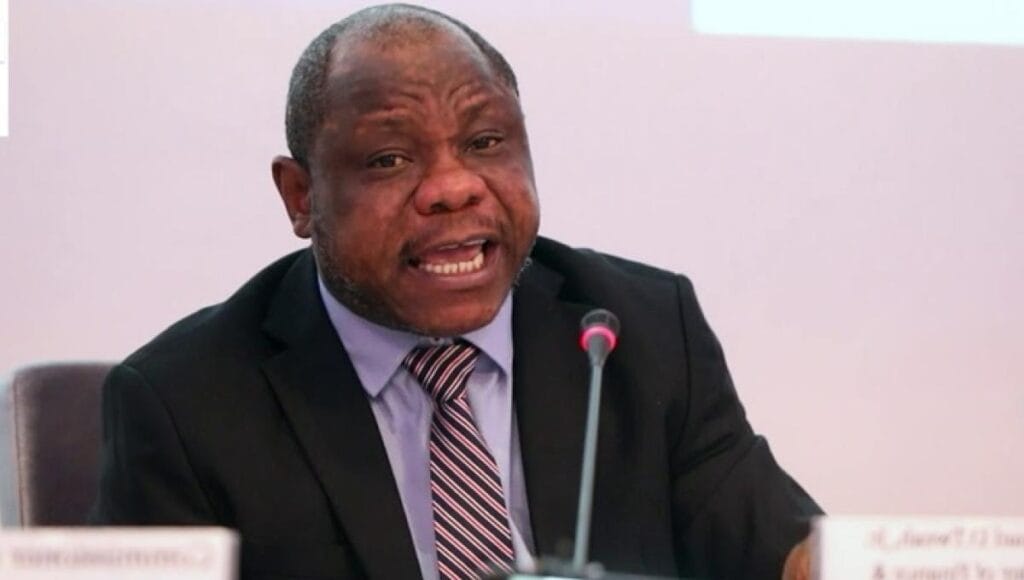
“We therefore wonder how the Defendants are relying on these same Acts to claim immunity for all actions, especially financial transactions, when both laws explicitly warn against such conduct,” Judge Willie stated.
The trial court also dismissed claims of presidential immunity, ruling that such protection applies only to the President during tenure and does not extend to subordinate officials. Even a sitting President, the court noted, may be prosecuted after leaving office for criminal acts.
Supreme Court Affirms Trial
In mid-December 2025, the Supreme Court upheld the lower court’s ruling, denied the writ of prohibition, quashed the alternative writ, and remanded the case to Criminal Court ‘C’ to proceed in accordance with law. The ruling was signed by Chief Justice Yamie Quiqui Gbeisay, along with Associate Justices Yussif D. Kaba and Boakai N. Kanneh. Two justices recused themselves due to conflicts.
The Court clarified that statutory immunity applies only to individuals expressly named by law and that claims of derivative immunity by executive officials are invalid.
Public Reaction and Alleged Forgery Plot
Public concern has intensified following reports that a “presidential immunity” letter may be retroactively manufactured to legitimize the transfers. Callers on the SKY FM program strongly condemned any such move.
“The fact that no such letter was produced during the LACC investigation, and that the defendants admitted in open court to acting under supposed presidential authority, only strengthens the case against them,” one caller said. “Now that the Supreme Court has affirmed the trial court, they must face the full weight of the law.”
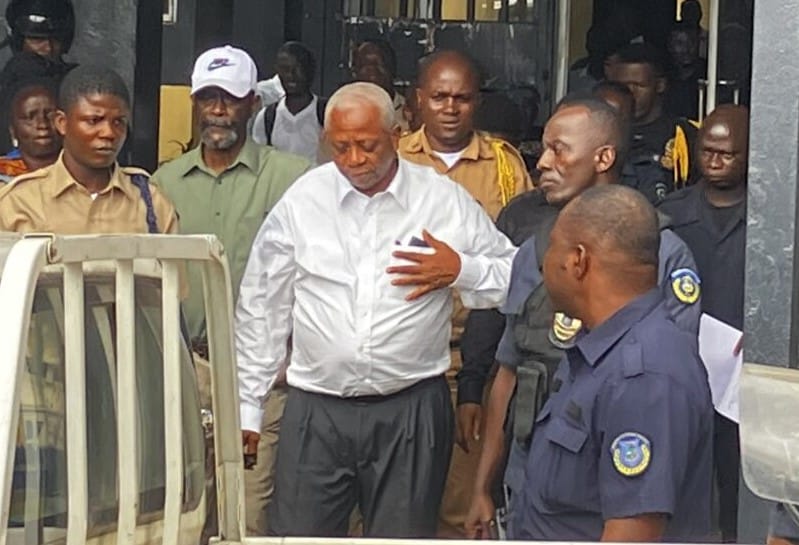
Legal analysts note that the defendants’ admissions may significantly weaken their defense by establishing direct involvement in the transactions under scrutiny. Callers urged the government and judiciary to remain vigilant when proceedings resume and to reject any attempt to introduce questionable documents or force a retrial based on alleged new evidence.
A Test of Accountability
As the case returns to the trial court, public interest remains intense. The proceedings are widely viewed as a critical test of accountability, executive authority, and the rule of law in Liberia.
Whether the defense will attempt to rely on a disputed immunity document—and how the court will respond—remains uncertain. What is clear, however, is that Liberians are watching closely as one of the most consequential financial misconduct cases in recent history moves forward.