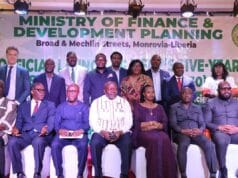
MONROVIA, Liberia — The Ministry of Finance and Development Planning (MFDP) has launched a comprehensive five-year strategic plan covering 2026–2030, outlining reforms aimed at strengthening fiscal governance, enhancing transparency, and improving public service delivery across Liberia.
The strategic framework, unveiled at the EJS Ministerial Complex in Oldest Congotown, is intended to guide the ministry’s operations and support implementation of the government’s ARREST Agenda for Inclusive Development (AAID).

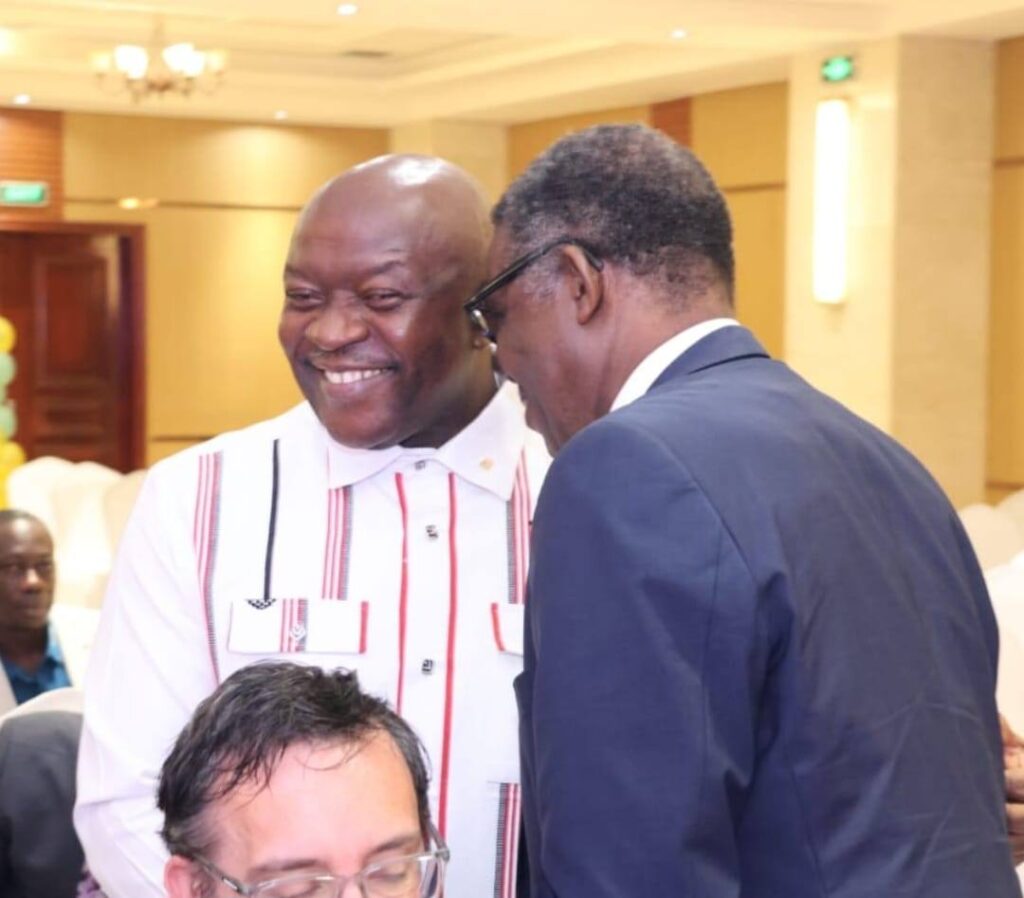
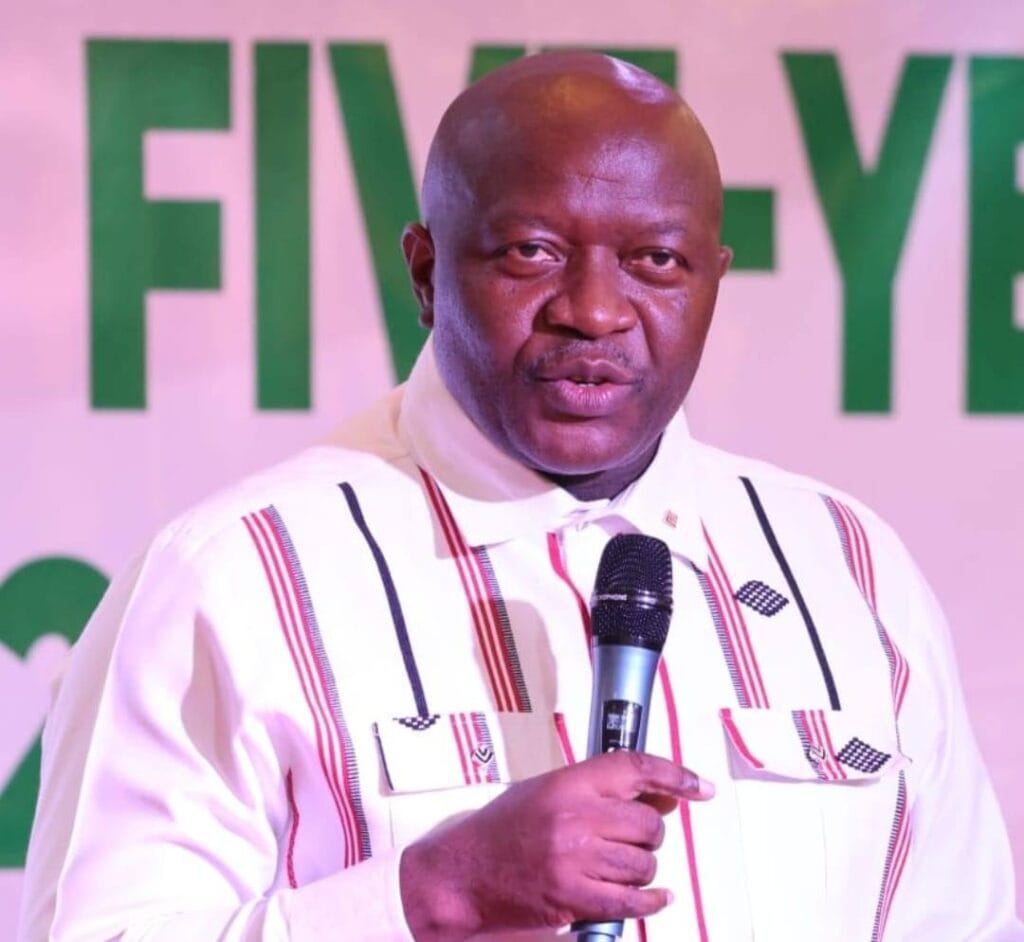
Outgoing Deputy Minister for Administration Bill McGill Jones described the plan as the product of an extensive review of past strategies and consultations with development partners, government institutions, and civil society.
“When we started this process, we undertook a complete reflection of our previous strategic plans—looking at the successes, the gaps, and the opportunities we missed,” Jones explained.

Strategic Priorities
According to ministry officials, the plan focuses on several key reform areas:
- Modernization of financial management systems
- Improved fiscal transparency and data sharing
- Strengthening public financial management capacity
- Debt sustainability and responsible borrowing
- Digitalization of government financial processes
- Improved service delivery and institutional efficiency
Jones noted that digital transformation will play a major role in improving government efficiency.
“We are going to ensure that documents move through the system, and not people moving the documents,” he said, highlighting plans to expand electronic financial processes across government institutions.
Ambitious Economic Targets
Under the strategy, the ministry aims to achieve several major economic targets by 2030, including:
- Increasing the revenue-to-GDP ratio to 35 percent
- Reducing the debt-to-GDP ratio below 45 percent
- Achieving a clean audit opinion
- Expanding financial management systems to all government entities
- Ensuring 95 percent of government payments are processed electronically
Officials say these reforms are intended to strengthen accountability while improving the efficiency of public spending.
Strong Support from Partners
International partners welcomed the strategic plan, noting its alignment with Liberia’s broader development goals.
Representatives from the World Bank, European Union, African Development Bank, IMF, and the United Nations praised the ministry for adopting an inclusive consultation process during the plan’s development.
Speaking at the event, UN Resident Coordinator Christine N. Umutoni said the plan represents a blueprint for Liberia’s economic transformation.

“This strategic plan is a catalyst for national transformation anchored in accountability and designed to produce results,” she said.
She added that stronger fiscal governance and improved public financial management would help attract responsible investment and expand opportunities for Liberia’s large youth population.
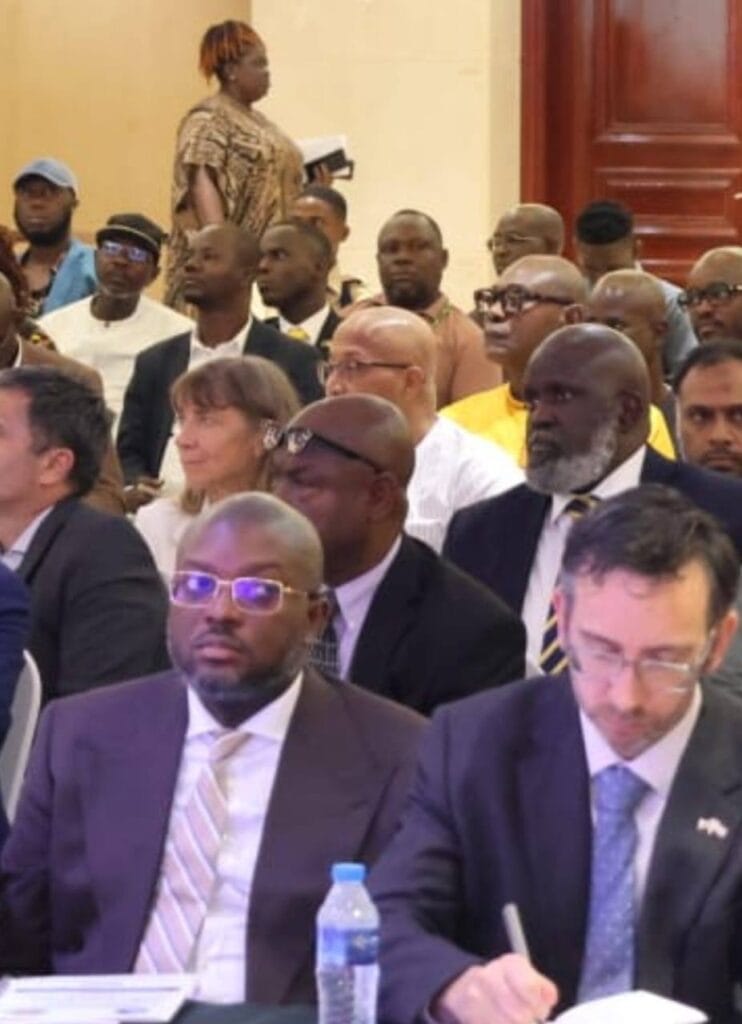
Development partners also emphasized that successful implementation will require sustained coordination between government institutions and international partners.
The plan was formally launched during the ceremony, marking the beginning of what officials described as a new phase in Liberia’s economic governance and institutional reform.
Follow The Liberian Post on Facebook and X (formerly twitter)