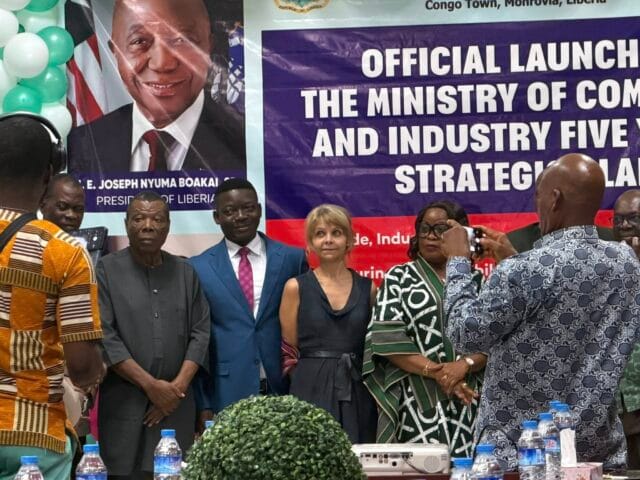
MONROVIA – In an official launch event, the Ministry of Commerce and Industry of Liberia outlined its ambitious five-year strategic plan aimed at revitalizing the country’s economy and fostering sustainable development. The gathering, which featured notable dignitaries, including the Honorable Modeling Calendar and representatives from the World Bank and the European Union, underscored the collaborative effort behind the formation of the plan.
Deputy Minister of Commerce and Industry, Mr. Wilmot A. Reeves, highlighted that the journey towards this strategic initiative began with crucial support from international organizations like the United Nations Development Program (UNDP) and the World Bank, which provided financial backing and expertise.
The overarching goal of the plan is to address the pressing issue of high unemployment and underemployment in Liberia. Despite a reported unemployment rate of approximately 2.7%, the reality indicates that nearly 80% of the workforce remains underemployed, struggling to find jobs that match their skills and qualifications. This stark contrast illustrates the need for economic transformation, a key pillar in the national development framework established by the Liberian government.
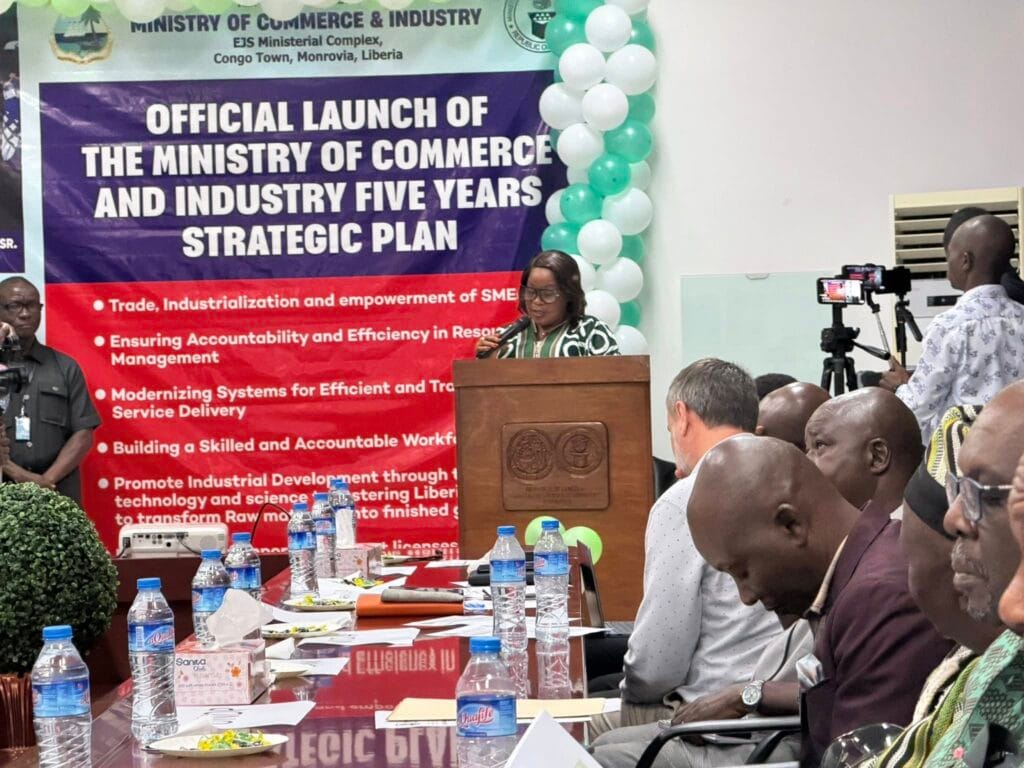
“Increasing value addition to our natural resources and promoting economic diversification are imperative for sustainable growth,” Reeves stated during the launch. He emphasized that the private sector would play a pivotal role in this transformative agenda, with the government committed to creating a conducive environment for business development.
The strategic plan envisions an inclusive economy led by innovative and competitive private sector enterprises. To actualize this vision, the government will focus on several key areas including:
Climate Resilient Businesses: Encouraging sustainability in business models to protect the environment and ensure long-term economic viability.
Strengthening Micro, Small, and Medium Enterprises (MSMEs): As a significant source of employment, enhancing the capacity of MSMEs will be crucial. The government aims to promote regional and global trade frameworks to support these enterprises in accessing new markets.
Digital Transformation: The ministry plans to digitize services and decentralize operations to improve accessibility. Recognizing that data plays a vital role in development planning, investments will be made in data collection and analysis to inform policy decisions.
Trade Promotion: A commitment to enhancing trade through initiatives such as hosting a major trade fair in December, which will aggregate MSMEs into a cohesive trade ecosystem aimed at bolstering export potential.
The establishment of the “Liberian Investment Finance and Trade Project” (LIFT) represents one of several initiatives aimed at building the capacity of 300 SMEs to ensure they become competitive in the export market. The plan also emphasizes the importance of public service efficiency in facilitating trade and attracting private sector investment.
To ensure effective implementation, a National Steering Committee will be established to oversee the strategic plan’s execution, providing strategic leadership and fostering collaboration among various departments within the ministry and with external partners, including academia and civil society.
The Deputy Minister concluded, “This strategic plan is a collective effort that belongs to all Liberians. With the active support of our development partners and a strong engagement from the private sector, we are optimistic about the possibilities that lie ahead for our economy.”
As Liberia embarks on this pivotal five-year journey, the focus will remain on fostering a diversified industrial base and nurturing a vibrant economy that transcends its historical reliance on extractive industries. The success of this ambitious plan will require concerted efforts from all sectors of society.